
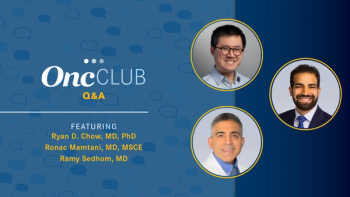
Ryan D. Chow, MD, PhD, Ronac Mamtani, MD, MSCE, and Ramy Sedhom, MD, spotlight a real-world analysis of upfront enfortumab vedotin dose reduction in bladder cancer.
Ryan D. Chow, MD, PhD, Ronac Mamtani, MD, MSCE, and Ramy Sedhom, MD, spotlight a real-world analysis of upfront enfortumab vedotin dose reduction in bladder cancer.

The FDA granted priority review to Dato-DXd for patients with first-line unresectable or metastatic TNBC who are not eligible to receive immunotherapy.
Tagraxofusp was well tolerated and yielded modest efficacy signals as monotherapy in myelofibrosis.
PATINA shows palbociclib added to anti-HER2 plus endocrine maintenance prolongs progression-free survival by 15+ months in HR+, HER2+ metastatic breast cancer.
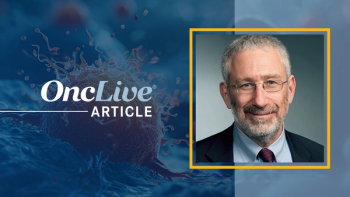
Maurie Markman, MD, discusses the role of the individual vs the multidisciplinary team in cancer care.

The American Cancer Society has released their annual Cancer Facts & Figures and Cancer Statistics reports.
Ahead of the 2026 Transplantation & Cellular Therapy Meetings, experts preview data on CAR T-cell therapy efficacy, donor access, and toxicity mitigation.
PRV211 was safe with no SAEs, systemic toxicities, or DLTs for the treatment of patients with invasive oral cavity cancer.
Mayo Clinic Comprehensive Cancer Center is expanding surgical options for patients undergoing treatment or risk-reducing procedures for breast cancer.

Real-world, head-to-head data show an improvement in OS with apalutamide plus ADT vs darolutamide plus ADT without docetaxel in mCSPC.
An NDA for zanzalintinib plus atezolizumab in pretreated metastatic colorectal cancer is under review by the FDA.
Marc J. Braunstein, MD, PhD, details the significance of the FDA approval of daratumumab plus VRd in transplant-ineligible, newly diagnosed myeloma.

The top 5 OncLive TV videos of the week cover insights in multiple myeloma, myelodysplastic syndrome, breast cancer, colorectal cancer, and cervical cancer.
Fangfang Yan, PhD, discusses findings from a multi-omic analysis that identified mechanisms of pirtobrutinib resistance in mantle cell lymphoma.

The FDA has approved Darzalex Faspro plus VRd for select multiple myeloma and several applications are under regulatory review in lung and GI cancers.
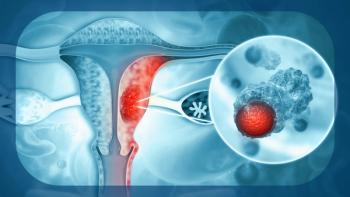
Dana M. Chase, MD, Robert Neff, MD, and Maurie Markman, MD, comment on the current state of HPV vaccination and screening during cervical cancer awareness month.
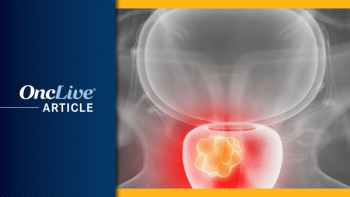
EMA CHMP backs niraparib plus abiraterone with ADT for BRCA1/2-mutant mHSPC, supported by data from the AMPLITUDE study.
OncLive spoke to 4 experts in order to unpack the top data presented during oncology conferences over the course of 2025.
Monitoring thymidine kinase activity levels may provide insights on response to CDK4/6 inhibitor therapy in breast cancer.
An NDA for lirafugratinib in the second line for patients with FGFR2-altered cholangiocarcinoma has been submitted to the FDA.
Kristen Spencer, DO, discusses how patient goals are shaping first-line treatment selection for metastatic pancreatic cancer.
Northwestern Medicine pioneered a total artificial lung system, enabling successful double-lung transplants.
The FDA has accepted a BLA seeking the approval of ivonescimab plus chemotherapy for EGFR-mutated, advanced, nonsquamous NSCLC after TKI progression.
An NDA for rivoceranib plus camrelizumab in frontline HCC has been resubmitted to the FDA, following the company's receipt of 2 CRLs for this indication.

OncLive outlines some of the most notable new agents and combinations to earn FDA approval in 2025, including the topline data supporting these decisions.
IBI3003 received fast track designation from the regulatory agency in the setting of relapsed/refractory multiple myeloma.
The emergence of ultrasensitive ctDNA and CSF testing may help alter monitoring strategies and adaptive clinical trial designs in metastatic breast cancer.
Oncology Fellows spotlights fellows who received research fellowship grants during the 2025 ESMO Congress.

The clinical benefit and disease control rates were both 100% with lurbinectedin plus ipilimumab/nivolumab in patients with advanced soft tissue sarcoma.

Nicholas Polizzi, PhD, and Edward Boyden, PhD, are recipients of the December 2025 Medical Research Grant from the W. M. Keck Foundation.