

The FDA granted priority review to Dato-DXd in triple-negative breast cancer, accepted an NDA for zanzalintinib plus atezolizumab in mCRC, and more.
The FDA granted priority review to Dato-DXd in triple-negative breast cancer, accepted an NDA for zanzalintinib plus atezolizumab in mCRC, and more.

CARTITUDE-4 data show heterogeneous outcomes with cilta-cel after progression on bridging therapy in relapsed/refractory multiple myeloma.
Real-world data show over an 40% response rate for lifileucel TIL therapy, for previously treated advanced melanoma.

Only a proportion of patients with advanced melanoma proceeded to TIL therapy following referral in a real-world setting.

Cilta-cel was linked with low progression events and a potential cure fraction in relapsed/refractory multiple myeloma.

Philippos Costa, MD, and Hari Deshpande, MD, discuss chondrosarcoma staging, diagnosis, surgery, and future research avenues in this clinician-focused FAQ.
Adoptive cell therapy elicited MRD-negative responses with low rates of GVHD and neurotoxicities in adult patients with high-risk B-ALL.

The FDA updated axi-cel labeling to remove the limitation of use for patients with relapsed or refractory primary central nervous system lymphoma.

Johannes R. Kratz, MD, has been named as the inaugural Chief of UCSF’s Division of Thoracic Surgery.

OS Therapies began a rolling submission of a BLA for OST-HER2 in fully resected pulmonary metastatic osteosarcoma.

A real-world cilta-cel study revealed a link between high lymphocyte peaks and failed bridging to parkinsonism and nonrelapse mortality, potentially guiding early intervention.

EMA CHMP recommends first-line retifanlimab plus carboplatin/paclitaxel for advanced anal cancer, backed by phase 3 P0D1UM-303 data.

With an additional 16.1 months of follow-up, the dual HER2-targeted, chemotherapy-free regimen maintained efficacy and safety in HER2-positive mCRC.

Orca-T/reduced-intensity conditioning was effective and decreased GVHD incidence vs PTCy/reduced-intensity conditioning in hematologic malignancies.
The FDA issued a reminder to increase awareness regarding updated capecitabine and 5-FU labels to highlight DPD deficiency risks.
Part 2 of the ongoing phase 2/3 HARBOR study is evaluating elenestinib in patients with indolent systemic mastocytosis.

Real-world data confirm the importance of tumor debulking with bridging therapy to reduce the risk of parkinsonism and NRM with cilta-cel in myeloma.
Ustekinumab plus prophylaxis did not reduce acute GVHD in patients who underwent HCT from matched unrelated donors.
No serious adverse effects were observed with TRX103 in patients with hematologic malignancies undergoing HLA-mismatched HCT.

The FDA-approved drug abatacept may improve treatment responses and prevent some immune AEs associated with CAR T-cell therapy.
Prophylactic dexamethasone did not reduce the risk of developing DNT, nor the severity of DNT presentation, in cilta cel–treated myeloma with high ALC.
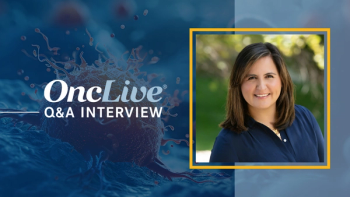
Mabel Mardones, MD, discusses implications of data for Dato-DXd and sacituzumab govitecan in frontline metastatic triple-negative breast cancer.
Acalabrutinib yielded durable organ-specific responses and a manageable safety profile in patients with steroid-refractory chronic graft-vs-host disease.
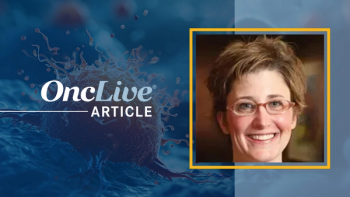
Jill Gilbert, MD, offers a primer for hematology/oncology fellows ahead of the busy 2026 meeting season.

Real-world enfortumab vedotin dose reductions reduced treatment interruptions without significantly affecting OS in advanced urothelial carcinoma.
Pelareorep has received FDA fast track designation in combination with SOC bevacizumab and FOLFIRI in the second line for KRAS-mutant MSS mCRC.

MD Anderson data scientist Iakovos Toumazis, PhD, will further IDSO's goal to bring data science to inform decision-making for cancer control and public health.

Northwell’s Louis Potters, MD, discusses how treatment directives improve safety, consistency, and equity in cancer care in honor of World Cancer Day.
In case you missed any, read a recap of the episodes of OncLive On Air that aired in January 2026.

Sandip P. Patel, MD, discusses how AI can be used to improve clinical trial design and accrual.