

Can-Fite has reached the over 50% enrollment milestone for an ongoing phase 2a trial evaluating namodenoson in pancreatic cancer.
Can-Fite has reached the over 50% enrollment milestone for an ongoing phase 2a trial evaluating namodenoson in pancreatic cancer.
Joshua Richter, MD, outlines how trispecific antibodies and novel CAR T-cell therapies are shaping the 2025 myeloma landscape and improving patient access.

Janice Mehnert, MD, discusses the rationale for adding IL-6 inhibition to an ICI backbone and data with sarilumab plus ICIs in advanced melanoma.

John Mascarenhas, MD, discusses early findings from the IMproveMF trial combining imetelstat with ruxolitinib in intermediate- to high-risk myelofibrosis.

Francesca Palandri, MD, PhD, discusses the results from a subgroup analysis of momelotinib vs ruxolitinib in myelofibrosis with anemia and low platelet counts.

BB-1701 generated responses with manageable safety in HER2-expressing breast cancer previously treated with an ADC with a topoisomerase I inhibitor.

New study takes a deep dive into how TAF1 operates to promote development of new blood cells.
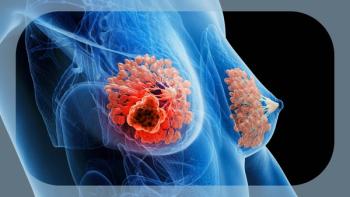
Gedatolisib triplet and doublet regimens cut the risk of progression by up to 76% vs fulvestrant in HR-positive/HER2-negative advanced breast cancer.

In BRUIN CLL-314, pirtobrutinib met the primary end point of noninferior ORR vs ibrutinib in both the ITT and pretreated subsets of patients with CLL/SLL.

A supplemental new drug application for all-oral, fixed-duration acalabrutinib plus venetoclax in treatment-naive CLL has been submitted to the FDA.

DZD8586 was active with a tolerable safety profile in heavily pretreated, relapsed/refractory chronic lymphocytic leukemia or small lymphocytic lymphoma.
Results of an observational study showed that immunohistochemistry could act as a biomarker for the early detection of TP53‐mutant MDS or AML.
John Mascarenhas, MD, discusses the rationale for evaluating imetelstat in patients with relapsed/refractory myelofibrosis.

Corey J. Langer, MD, FACP, provides a focused overview of antibody-drug conjugate–related toxicities and AE management in lung cancer.

Roy S. Herbst, MD, PhD, highlights the evolution of EGFR TKIs and the need for treatments improving DFS and OS outcomes in EGFR-mutant NSCLC.

Sandip Patel, MD, explores how AI and multiomics are transforming localized non–small cell lung cancer care.

Huntsman Cancer Foundation and Sigma Chi International Fraternity announced a $31 million pledge for the Sigma Chi Center for Advanced Therapeutics.

The EMA’s CHMP recommended the approval of vimseltinib for symptomatic tenosynovial giant cell tumor.

Durvalumab received FDA priority review and breakthrough therapy designation for resectable gastric and GEJ adenocarcinoma.

Perioperative tislelizumab received a positive CHMP opinion for resectable non–small cell lung cancer at high risk of recurrence.

Shyam A. Patel, MD, PhD, and Jonathan M. Gerber, MD, discuss the next steps for validating IHC as a biomarker for TP53 mutations in MDS and AML.

Jue Wang, MD, outlines how prolonged androgen suppression may drive prostate cancer evolution.

Alan Tan, MD, discusses how a trial analysis of ipilimumab plus nivolumab in metastatic ccRCC informs strategies for optimal immunotherapy sequencing.
Jorge J. Nieva, MD, compares treatment options for patients with ROS1-positive non–small cell lung cancer.

The top 5 OncLive videos of the week cover insights in multiple myeloma, breast cancer, melanoma, and CLL/SLL.

Hossein Borghaei, DO, MS, discusses novel approaches to overcoming immunotherapy resistance in patients with non–small cell lung cancer.

RP1 BLA in advanced melanoma receives CRL from FDA, generic ibrutinib tablets gets green light for B-cell malignancies, and more.

Marina C. Garassino, MD, discusses the standing of durvalumab and other immunotherapy-based approaches in locally advanced NSCLC.

Sukhmani Padda, MD, discusses ways in which evolving treatment paradigms are tailoring treatment to target atypical EGFR alterations in NSCLC.
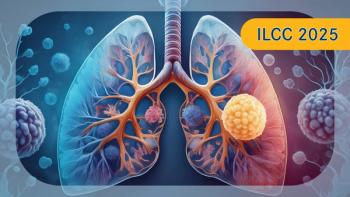
Heather Wakelee, MD, discusses underlying resistance mechanisms and potential therapies for EGFR+ NSCLC following osimertinib.