
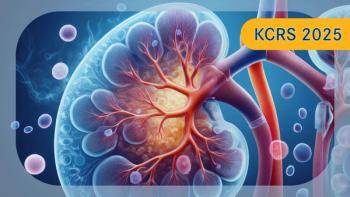
Research supports the use of novel CAR T-cell therapy targeting CAIX and CD70 for the treatment of patients with advanced ccRCC.
Research supports the use of novel CAR T-cell therapy targeting CAIX and CD70 for the treatment of patients with advanced ccRCC.
Research centers across New York State are collaborating to develop cell therapies for cancer to expand progress in the emerging field of cell therapy.
The FDA’s ODAC voted against the risk/benefit profiles of belantamab mafodotin–based combinations in relapsed/refractory multiple myeloma.
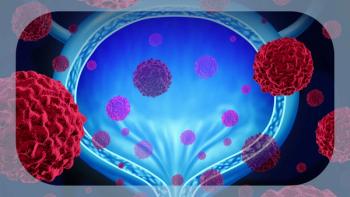
The FDA has granted priority review to TAR-200 for BCG-unresponsive, high-risk NMIBC with CIS, with or without papillary tumors.
The FDA granted breakthrough therapy designation to first-line trastuzumab deruxtecan plus pertuzumab in HER2-positive metastatic breast cancer.
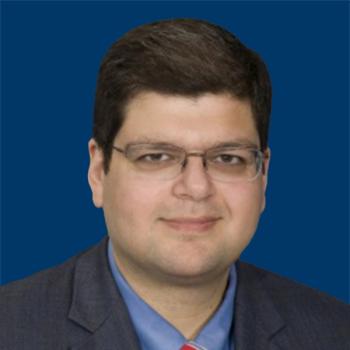
Cyrus M. Khan, MD, discusses the role of second-generation BTK inhibitors and their implications for clinical practice in the CLL treatment paradigm.
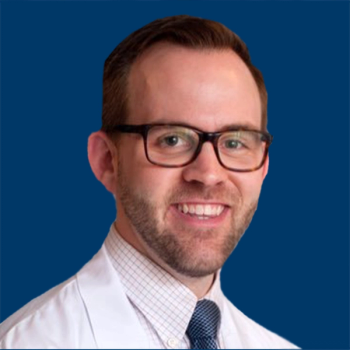
Justin T. Jordan, MD, MPH, FAAN, discusses the implications of the FDA approval of mirdametinib for adult NF1-associated plexiform neurofibromas.

Laura Huppert, MD, discusses the implications of data with first-line T-DXd plus pertuzumab in HER2-positive metastatic breast cancer.

STAR-221 will evaluate domvanalimab plus zimberelimab and chemotherapy for the first-line treatment of patients with gastric, GEJ, or esophageal adenocarcinoma.
ZEN-3694 has received fast track designation from the FDA for use in combination with abemaciclib for patients with previously treated NUT carcinoma.

Hans Hammers, MD, PhD, discusses the efficacy, safety, and clinical utilization of IO/IO and IO/TKI combinations in advanced clear-cell RCC.
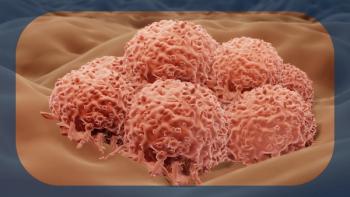
A Yale study found that open-source AI tools outperformed traditional, visual methods for measuring the abundance of melanoma biomarkers.

In patients with HPV16-positive HNSCC, CUE-101 plus pembrolizumab generated 2 complete responses and a 12-month overall survival rate of 88%.

SH-110 received orphan drug designation from the FDA for the treatment of patients with glioma.
Dive into each of the oncology-related CRLs that were recently released by the FDA, as well as relevant subsequent FDA decisions.
Joseph Vento, MD, discusses how WHO updates and molecular profiling are shaping trial design and targeted treatment in non–clear cell RCC.
Oncology experts share topline insights from 19 of the most exciting abstracts from the 2025 ASCO Annual Meeting.

Darren Pan, MD, discusses updates regarding cilta-cel and anito-cel for the treatment of patients with relapsed/refractory multiple myeloma.

Safety and efficacy data for elotuzumab support its further investigation in the treatment of myelofibrosis.
Qian (Janie) Qin, MD, discusses the current arsenal of radioligand therapies in metastatic castration-resistant prostate cancer.

High doses of corticosteroids are likely the most significant factor in why some immunotherapies don’t work.
Tambiciclib plus azacitidine and venetoclax generated favorable ORR, OS, and safety outcomes in patients with relapsed/refractory acute myeloid leukemia.

Apalutamide plus carotuximab has been demonstrated to be well tolerated in patients with metastatic castration-resistant prostate cancer

The combination of sarilumab, ipilimumab, nivolumab, and relatlimab displayed activity in patients with stage III or IV melanoma.
In an OncLive Peer Exchange filmed during EBMT, investigators discuss approaches to optimizing allo-HSCT and preventing GVHD in hematologic malignancies.

Stefano Luminari, MD, discusses unmet needs for patients with follicular lymphoma, updated data from the ELM-2 trial, and infection risk management advice.

Certain factors were associated with sustained remission with obe-cel in acute lymphoblastic leukemia.
Hetty E. Carraway, MD, MBA, discusses shifting treatment paradigms in AML from the Bridging the Gaps in Leukemia, Lymphoma, and Multiple Myeloma Conference.

Alexander B. Olawaiye, MD, discusses key efficacy and safety findings from the ROSELLA trial and the future of relacorilant in platinum-resistant ovarian cancer.
Mayo Clinic researchers have discovered a key reason some patients with cancer relapse after receiving CAR T-cell therapy.