

A real-world study in Portugal showed fruquintinib displayed a manageable safety profile and an efficacy trend in refractory colorectal cancer.
A real-world study in Portugal showed fruquintinib displayed a manageable safety profile and an efficacy trend in refractory colorectal cancer.

Nivolumab plus ipilimumab maintained an ORR benefit across subgroups of Chinese patients with unresectable hepatocellular carcinoma.

Quantitative vessel tortuosity features were able to detect the VEGFR inhibitory mechanism of fruquintinib in metastatic colorectal cancer.

A survey of UK and German physicians found that OS gains were needed to accept increased toxicities or treatment burden with third-line regimens in mCRC.
Post hoc analyses compared encorafenib plus cetuximab and mFOLFOX6 with different BREAKWATER control arm regimens.

A post hoc subgroup analysis of FRESCO-2 shed light on the safety and efficacy of fruquintinib by metastatic site in metastatic colorectal cancer.

A study led by Dana-Farber Cancer Institute researchers found that chemoimmunotherapy before surgery for stage III NSCLC can help make surgery possible.
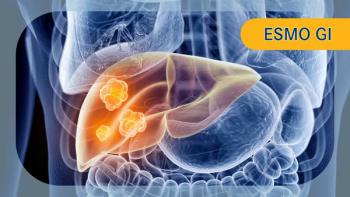
TACE plus atezolizumab and bevacizumab may represent effective option for untreated intermediate-to-high tumor burden unresectable HCC.

The addition of TTFields to chemotherapy improved quality of life and delayed time to pain deterioration in locally advanced pancreatic cancer.
CheckMate 8HW data show ipilimumab plus nivolumab improved PFS vs nivolumab alone while maintaining HRQOL.

Durvalumab plus FLOT did not lead to differences in patient-reported outcomes vs placebo plus FLOT in resectable gastric/GEJ cancer.

Dana-Farber researchers unveil insights into aggressive pediatric brain tumors, paving the way for targeted therapies and improved patient outcomes.

Rebecca Zweifler, MD, pens a personal essay reflecting on her experience with a patient who left a lasting impact on her.

Douglas B. Johnson, MD, MSCI, discusses clinical questions, unmet needs, and exciting therapeutic developments with immuno-oncology in melanoma.

Ronan J. Kelly, MD, discusses efficacy and safety data from the phase 3 CheckMate 577 study of adjuvant nivolumab in esophageal/GEJ cancer.

Givastomig paired with chemoimmunotherapy was tolerable and elicited responses in CLDN18.2+ gastric, esophageal, and GEJ cancers.
The FDA has granted accelerated approval to sunvozertinib (Zegfrovy) for locally advanced or metastatic NSCLC harboring EGFR exon 20 insertion mutations.

Invikafusp alfa produced responses as a single agent in antigen-rich gastrointestinal tumors, including metastatic colorectal cancer.
Irpagratinib combined with atezolizumab was effective and safe in both treatment-naive and ICI-exposed advanced HCC with FGF19 overexpression.
Certepetide plus gemcitabine and nab-paclitaxel was safe and effective in patients with untreated metastatic pancreatic ductal adenocarcinoma.

Cholangiocarcinoma care begins with an evaluation by a multidisciplinary team. Mayo Clinic team members work together to review cases as a tumor board.
The FDA has granted accelerated approval to linvoseltamab-gcpt (Lynozyfic) for use in patients with relapsed/refractory multiple myeloma.

Denbrayce was approved in Europe for the treatment of skeletal-related events in advanced malignancies involving the bone and giant cell tumor of the bone.

The EMA’s CHMP has issued a positive opinion for the use of MRD-negative CR as an end point for regulatory clinical trials for patients with myeloma.
A research fellow from Dana-Farber Cancer Institute shares post hoc findings from the phase 3 JAVELIN Renal 101 trial.
Sam Klempner, MD, discusses the ongoing evaluation of domvanalimab plus zimberelimab and chemotherapy in upper GI cancers.

Ajai Chari, MD, expands on areas of uncertainty in multiple myeloma after his presentation at the Bridging the Gaps in Leukemia, Lymphoma, and Multiple Myeloma Conference.
Here is your guide to all therapeutic options that were cleared by the FDA in June 2025 spanning tumor types.

Premal Thaker, MD, discusses findings for IMNN-001 plus perioperative chemotherapy in up-front, advanced ovarian cancer.
Read a recap of the episodes of OncLive On Air that debuted in June 2025.