

The treatment of cancer is complex, and what might seem like a relatively minor medical issue at first can quickly escalate into an emergency.
The treatment of cancer is complex, and what might seem like a relatively minor medical issue at first can quickly escalate into an emergency.

Despite being discovered more than 150 years ago, tumor cells present in the blood of patients with cancer are only now inspiring significant research efforts. Technological advancements have allowed the isolation and enrichment of these rare cells and, as potential metastatic "emissaries," they have significant potential for improving the detection and treatment of advanced and possibly even early-stage disease.

We explore the progress and challenges that circulating tumor cell technology offers toward that goal.

Stem cell therapy has gained increasing traction in various therapeutic areas, from cancer to diabetes to ocular regeneration.

Rini, who is a professor at the Cleveland Clinic Lerner College of Medicine in addition to holding several posts at the Case Comprehensive Cancer Center, discussed broad issues in antiangiogenic research in this interview with OncologyLive.
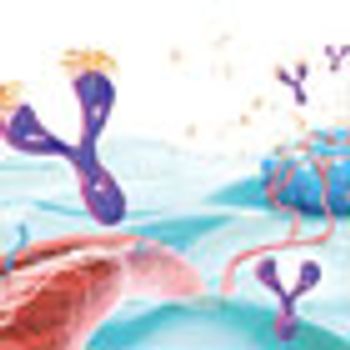
A decade after bevacizumab (Avastin) debuted as the first anticancer therapy to target angiogenesis, new strategies to attack this hallmark of cancer continue to be a major research focus, resulting in the development of novel agents and fresh treatment settings for existing drugs.

Checkpoint inhibitors targeting the PD-1 receptor and its ligand, PD-L1, are showing efficacy in early-phase clinical trials in urothelial bladder cancer, generating the promise of new therapies for a disease that has not had a significant treatment advance in 30 years.

Recent research has shown that adding targeted agents to trastuzumab-based chemotherapy regimens in the adjuvant setting may not significantly improve outcomes in patients with early-stage HER2-positive breast cancer.
New therapeutic strategies utilizing triplet regimens for the treatment of patients with HER2-positive metastatic breast cancer (MBC) continue to emerge as an exciting area of development

It is well known that healthcare spending in the United States is unsustainable. It is also well known that despite spending a record $2.8 trillion on healthcare annually (17.2% of GDP in 2012)-more than any other nation-our health outcomes lag behind.

As director of the Yale Cancer Center and physician-in-chief of the Smilow Cancer Hospital at Yale-New Haven, Thomas J. Lynch Jr, MD, wears many hats. And, having built a career united around two abiding goals of clinical discovery and personalized patient care, that's just the way he likes it.
One of the most striking changes in our understanding of the fundamental biology of malignant disease has been the observation that "driver" molecular abnormalities may frequently cross major histologic barriers.