

The major advance of the MRI-guided radiotherapy system is the ability to visualize the lumpectomy cavity before and during the delivery of each treatment.
The major advance of the MRI-guided radiotherapy system is the ability to visualize the lumpectomy cavity before and during the delivery of each treatment.

Although checkpoint blockade inhibitors targeting the PD-1/PD-L1 pathway are currently dominating the oncology community's attention, there are many other exciting approaches to anticancer immunotherapy being explored in a range of solid tumors

A genomic analysis of poorly differentiated neuroendocrine tumors from primary lung and gastrointestinal sites underscores the diversity of these tumors and the evolving need to move toward precision medicine when it comes to treating patients with these malignancies.

Approaches to reducing and preventing graft-versus-host-disease are being explored, including the development of ruxolitinib (Jakafi) and ibrutinib (Imbruvica) under breakthrough therapy designations.
Despite the fervent advocacy of stereotactic radiosurgery alone, the addition of whole-brain radiation therapy clearly improves local control, decreases distant brain failure, minimizes the need for salvage therapies such as surgery, and, most importantly, decreases neurologic death.

There are important ethical questions that must be fully considered when scientific research of any kind is conducted.

Fifty years after Henry Beecher’s landmark critique finally helped begin breaking the “code-of-silence” regarding the conduct of unethical clinical research in the United States—sadly including the oncology arena—many serious concerns linger.
Although lung cancer remains the leading cause of cancer-related mortality in the United States and 5-year survival rates are low at 17.8%, the grim picture for this tumor type is starting to shift to a more hopeful one as its biology is becoming better understood, facilitating treatment selection and providing researchers with new therapeutic targets.

Mark A. Rubin, MD, is an expert in prostate cancer genomics and pathology who has led key discoveries in the distinction between indolent and aggressive types of the malignancy.
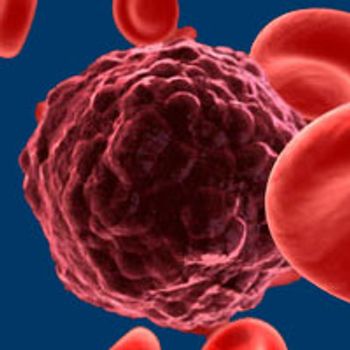
Prostate cancer is slow-growing and readily curable in many cases, but the propensity for some tumors to develop into an aggressive, metastatic form that becomes resistant to androgen-targeting therapies continues to present a significant obstacle.