
Multiple myeloma has seen significant treatment advances over the past decade. In 2015 alone, the FDA approved 5 new agents or regimens for previously treated patients.
Multiple myeloma has seen significant treatment advances over the past decade. In 2015 alone, the FDA approved 5 new agents or regimens for previously treated patients.

These days, no one is talking about finding such a simplistic answer for what we now understand is a set of diseases whose complexity continues to unfold. Instead, it has become the norm to think about emerging oncology paradigms in terms of combination therapies.
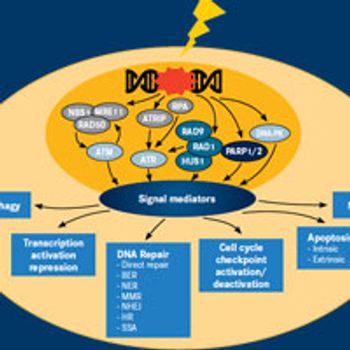
A coordinated network of signaling pathways works to protect the cell from the toxic effects of DNA damage.

Matthew J. Ellis, MB BChir, PhD, FRCP, provides his expertise on the genomics and molecular profiling of breast cancer.

It is highly probable that molecular profiling is the key to more precise treatments, as well as prediction of outcomes in metastatic colorectal cancer.

Checkpoint blockade immunotherapies that have moved quickly from the development stage to clinical use in a range of solid tumors are also being explored in hematologic malignancies.
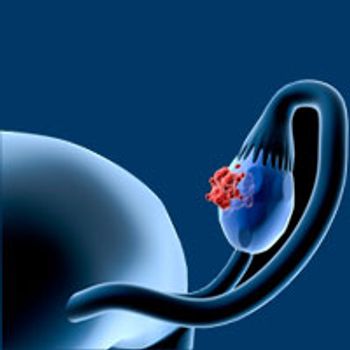
A multipronged attack on the tumor vasculature network is at the heart of a recently launched clinical trial aimed at developing new therapeutic options for women with advanced, recurrent, platinum-resistant ovarian cancer.

As with software upgrades, Carl H. June, MD, sees his work in cancer research as a job with ever-evolving updates.

The concept of using immunotherapies to treat patients with glioblastoma multiforme is gaining ground among researchers who are interested not only in evaluating checkpoint blockade agents that have proved effective in other tumor types but also in exploring novel targets.

One of the basic tenets of science is the concept that all accepted “truths” are subject to objective testing and, through this process, can be shown to be false.