

Fifteen world-renowned leaders in hematology and oncology whose research has improved and extended the lives of millions of patients make up the 2019 class of Giants of Cancer Care® award winners.
Fifteen world-renowned leaders in hematology and oncology whose research has improved and extended the lives of millions of patients make up the 2019 class of Giants of Cancer Care® award winners.

Eflornithine (α-Difluoromethylornithine) has been investigated for over 30 years as a potential neuro-oncology agent and shown activity against recurrent gliomas, but it has not gained approval as a therapy option for patients with cancer. Investigators are looking to change that with the phase III STELLAR trial (NCT02796261).
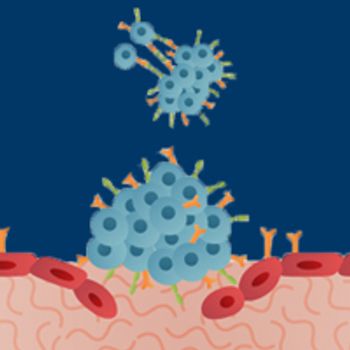
Mesothelin, a protein found on cell surfaces and in serum, has emerged as a promising target for immunotherapy-based treatment approaches for several malignancies with poor prognoses and limited treatment options. Investigating novel approaches to optimize delivery and identifying combinations of agents to synergistically improve therapeutic response will be the next steps in bringing mesothelin-targeted therapies into the clinical setting.

Two in 3 patients treated with PD-1 or PD-L1 inhibitors experienced at least 1 AE and 1 in 7 patients experienced at least 1 grade ≥3 AE, according to a systematic review and meta-analysis of clinical trials and study updates published through December 15, 2018.
Identifying patients with DCIS who are more likely to develop invasive breast cancer remains a challenge. However, two major areas of study are the appropriate use of active surveillance and the use of biomarkers observed in the DCIS microenvironment to determine risk.

In an effort to build more sophisticated protocols that keep QoL and cost questions at the forefront, Montefiore Einstein Center for Cancer Care and Albert Einstein College of Medicine’s Institute for Onco-Physics created a mathematical model to identify the optimal candidates for proton therapy, the most modern form of radiation therapy for patients with head and neck cancers.
The NCCN is working to develop modified guidelines for specific regions that offer less-costly and less–technologically intensive cancer treatment alternatives.

Although study findings have identified tumor mutational burden as an important factor in responses to cancer therapy, establishing a definition for expression of this biomarker and harmonizing assays to measure it have proved challenging.

With multiple biomarker-directed clinical trials for metastatic CRC expected to produce data within the next few years, experts in gastrointestinal oncology who took part in a recent OncLive Peer Exchange® program recommended that clinicians become more proactive about incorporating genomic and immune markers into their decision making.

Evidence generated from the randomized study design may be largely ignored by an individual or a community of physicians if the results or strategies being examined do not align with existing beliefs or bias, local practice and referral patterns, and other potentially highly relevant factors unrelated to the trial outcome.