
Dr Shepard discusses the unpredictable course of desmoid tumors, the use of TKIs for these tumors, and findings from 2 trials presented at the 2022 ESMO Congress that may represent new treatment options for patients with desmoid tumors.
Dr Shepard discusses the unpredictable course of desmoid tumors, the use of TKIs for these tumors, and findings from 2 trials presented at the 2022 ESMO Congress that may represent new treatment options for patients with desmoid tumors.
Moshe Ornstein, MD, MA, discusses toxicity concerns when treating renal cell carcinoma.
Alok A. Khorana, MD, discusses on-the-rise pancreatic and biliary cancer rates in younger patients, plus the rationale of potential future research into the role of the gut microbiome in these patients.
Alok Khorana, MD, discusses increasing rates of young-onset pancreatobiliary adenocarcinoma.
Suneel Kamath, MD, discusses the importance of including underrepresented patient populations in clinical trials.

Suneel Kamath, MD, discusses the findings from research he conducted evaluating the effect of financial and racial disparities on cancer incidence and mortality.
Shilpa Gupta, MD, discusses the methodologies utilized in the PARADIGM study in locally advanced or metastatic urothelial cancer.
Shilpa Gupta, MD, discusses the design of the PARADIGM study in locally advanced or metastatic urothelial cancer.
The addition of cabozantinib to avelumab is under exploration as a maintenance approach in patients with metastatic urothelial cancer following first-line, platinum-based chemotherapy.
Despite a steady decline in incidence and mortality rates of many cancers among older individuals in the United States and other high-income countries, an alarming rise in young-onset gastrointestinal cancers has simultaneously occurred.
Moshe Ornstein, MD, MA, discusses unmet needs in metastatic renal cell carcinoma.
Moshe Ornstein, MD, MA, discusses the efficacy findings from a phase 2 trial examining neoadjuvant avelumab and axitinib in renal cell carcinoma.
Moshe Ornstein, MD, MA, discusses the benefit of neoadjuvant therapy in renal cell carcinoma.
Press Release
J. Joseph Melenhorst, Ph.D., has been appointed director of the new Cell Therapy and Immuno-Engineering Program, and Vice Chair of the Center for Immunotherapy and Precision Immuno-Oncology at Cleveland Clinic.

Moshe Ornstein, MD, MA, discusses trials exploring second-line immunotherapy in patients who have progressed on immunotherapy, plus key clinical trial data on kidney cancer and other pressing areas of need for research in renal cell carcinoma.
Nima Sharifi, MD, PLCO, discusses the results of the prostate cancer cohort in the PLCO trial and how PAGln could be linked to patients eventually diagnosed with lethal prostate cancer.
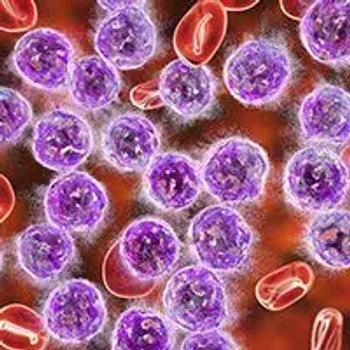
Light-chain amyloidosis is a rare plasma cell disorder that involves the production of a misfolded amyloidogenic light chain by a plasma cell clone that deposits in various organs leading to organ failure.
Aaron T. Gerds, MD, MS, discusses the use of TKIs, targeted agents, JAK inhibitors, and cellular therapy in hematologic malignancies.
Nima Sharifi, MD, director, discusses the methodologies utilized when evaluating the correlation between gut microbiome and fatal prostate cancer.
Nima Sharifi, MD, discusses the rationale to evaluate the correlation between the gut microbiome and the aggressiveness of prostate cancer.
We had the pleasure of speaking with faculty from an OncLive® Institutional Perspectives in Cancer webinar on hematologic malignancies, hosted in partnership with Cleveland Clinic, to discuss current practice patterns and emerging therapies in chronic myeloid leukemia, chronic lymphocytic leukemia, myelofibrosis, and acute lymphoblastic leukemia.
Brian T. Hill, MD, PhD, discusses the potential utility of next-generation PI3K inhibitors in chronic lymphocytic leukemia.
Aaron T. Gerds, MD, MS, discusses emerging agents in myelofibrosis.

Aaron T. Gerds, MD, MS, discusses the rationale for the real-world REVEAL study in polycythemia vera.
Patients with polycythemia vera who have controlled hematocrit levels, but elevated white blood counts are at an increased risk of thrombotic events, according to a presentation of the REVEAL study.
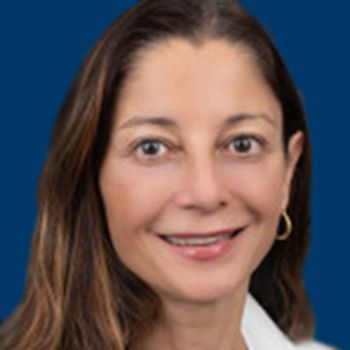
Andrea Moreira, MD, a board-certified plastic surgeon specializing in the use of advanced techniques in breast reconstruction, has joined Allegheny Health Network from Cleveland Clinic and will serve as Co-Director of the Microsurgery and Breast Reconstruction Program in the AHN Division of Plastic Surgery.
Cleveland Clinic has partnered with Anixa Biosciences, Inc. to open a phase 1 trial examining a vaccine aimed at preventing the development of triple-negative breast cancer.
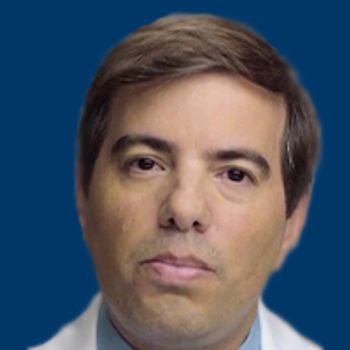
Radiation oncologists Jacob Scott, MD, DPhil, and Javier Torres-Roca, MD, discuss the benefits of using GARD in a pooled pan-cancer analysis and why there is a call to action to integrate GARD-based radiotherapy dosing in oncology.
Standard chemotherapy has historically been the mainstay of treatment for patients with diagnoses of early-stage TNBC, but there remains an unmet need to identify novel therapies that improve outcomes and, equally important, to discern which patients may benefit from a given treatment.
Dr. Scott and Dr. Torres-Roca discuss their research of a pooled retrospective analysis exploring genomic-adjusted radiation dose–based radiation therapy in solid tumors and what using genomics to guide radiation dosing decisions could mean for oncology practices.