
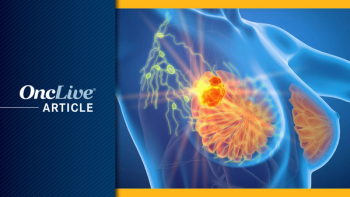
A surgical team from Huntsman Cancer Institute at the University of Utah has performed the first robotic mastectomy in the Mountain West.
A surgical team from Huntsman Cancer Institute at the University of Utah has performed the first robotic mastectomy in the Mountain West.

In case you missed any, read a recap of the episodes of OncLive On Air that aired in July 2026.
Huntsman Cancer Institute received recent national honors, recognizing excellence in cancer care, research, nursing, and healing-centered facilities.
Five Huntsman Cancer Institute at the University of Utah colleagues earned endowed chair appointments, including new appointments.
A research team from Huntsman Cancer Institute at the University of Utah showed a pathway-targeted therapy that could be an effective melanoma treatment.
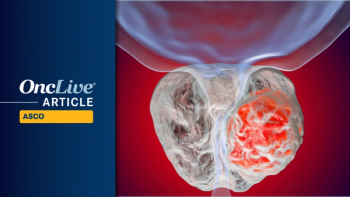
TALAPRO-3 showed talazoparib plus enzalutamide cut progression or death risk by 52% in HRR-altered mCSPC vs enzalutamide alone.
The expansion of the Huntsman Cancer Institute Senator Orrin G. Hatch Proton Therapy Center will significantly increase access to proton therapy.

The State of Utah has made a visionary investment in AI and advanced computing infrastructure to advance research.
Sagar S. Patel, MD, discusses data from trials evaluating agents in the Orca platform and where they fit into hematologic malignancy treatment paradigms.
Sagar S. Patel, MD, discusses data from a retrospective analysis of Orca-T and PTCy for hematologic malignancies and its implications for the field.
Sagar S. Patel, MD, discusses efficacy data for Orca-T with reduced intensity conditioning for hematologic malignancies from a retrospective analysis.
Huntsman Cancer Institute will soon become the first academic medical center in the US to manufacture a new prostate cancer imaging drug.

Tsewang Tashi, MD, expands on long-term bone health data with avapritinib in patients with indolent systemic mastocytosis from the PIONEER trial.
Tsewang Tashi, MD, discusses long-term avapritinib data in indolent systemic mastocytosis from part 3 of the PIONEER trial.
The new angiography-CT suite at Huntsman Cancer Institute is a regional first, expanding advanced interventional radiology capabilities in the Mountain West.
A study suggests that breast cancer patients with obesity could benefit from lipid lowering therapies and should avoid high-fat weight loss regimens.
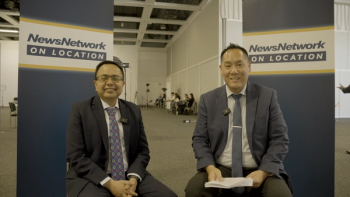
Neeraj Agarwal, MD, FASCO, and Neal Shore, MD, FACS, sit down with Chandler Park, MD, FACP, to discuss the latest abstracts in prostate cancer presented during the 2025 ESMO Congress.
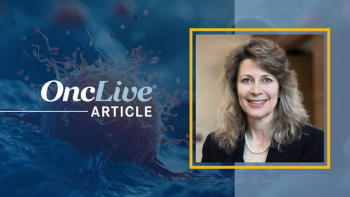
Neli Ulrich, PhD, MS, has been elected by the members of the Association of American Cancer Institutes to serve as vice president/president-elect of the AACI Board of Directors.
Huntsman Cancer Institute has been listed 10th among the top 75 cancer care hospitals in the US.
Tsewang Tashi, MD, discusses the aspects of elenestinib that differentiate it from avapritinib in the management of indolent systemic mastocytosis.
Huntsman Cancer Institute has announced leadership team appointments overseeing clinical and research efforts in theranostics.
Huntsman Cancer Institute is expanding its proton therapy center, enhancing access to advanced cancer treatment for patients in the Mountain West region.
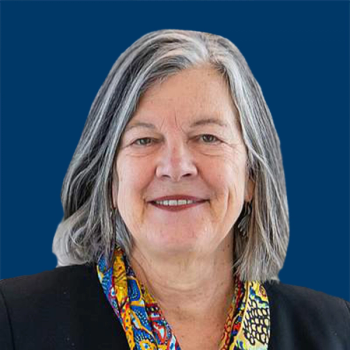
Huntsman Cancer Foundation and Sigma Chi International Fraternity announced a $31 million pledge for the Sigma Chi Center for Advanced Therapeutics.
The CEO of Huntsman Cancer Institute is stepping down after holding the role since 2006.

Innovative engineering teams at Huntsman Cancer Institute tackle cancer treatment challenges through collaborative grants.
Luke Maese, DO, discusses how the evolution of AYA and adult ALL management may be inspired by treatment protocols used in the pediatric population.
Bogdana Schmidt, MD, MPH, discusses the role of minimally invasive and robotic strategies for the treatment of patients with bladder cancer.
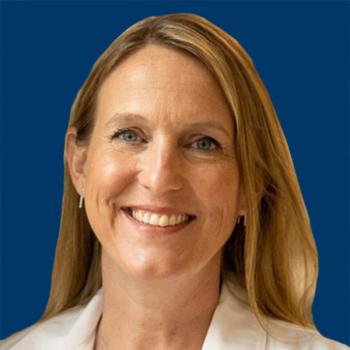
Alana Welm, PhD, is now the chair of the Department of Oncological Sciences in the Spencer Fox Eccles School of Medicine at the University of Utah.

Bogdana Schmidt, MD, MPH, discussed FDA-approved BCG-refractory treatments and recent shifts in BCG-naive NMIBC management.
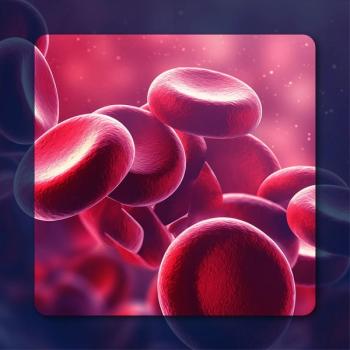
Huntsman Cancer Institute pioneers a clinical trial using deceased donor stem cells, expanding transplant options for patients with aggressive blood cancers.