
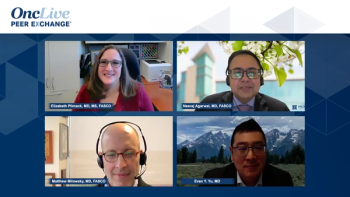
Experts on muscle-invasive bladder cancer respond to recent data in adjuvant therapy that were presented at ASCO GU 2024.
Experts on muscle-invasive bladder cancer respond to recent data in adjuvant therapy that were presented at ASCO GU 2024.
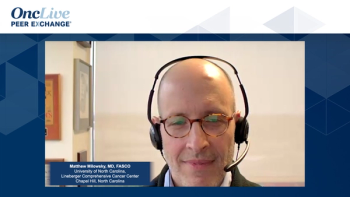
Following an overview of the evolving adjuvant therapy space, Matthew Milowsky, MD, FASCO, reviews recent updates from ASCO GU 2024 in muscle-invasive bladder cancer.
Focusing on neoadjuvant therapy, the expert panel discusses ongoing clinical research in muscle-invasive bladder cancer and the potential role of novel strategies in the treatment space.
A panel of experts on bladder cancer introduce themselves and give an overview of the neoadjuvant therapy landscape for patients with muscle-invasive bladder cancer.
Press Release
Jonathan Constance, PhD, and his team have created a digital pharmacology platform for assessing drug dynamics directly among children with cancer.

Drs Kitko and Patel discuss graft-versus-host disease recognition, treatment selection, and ongoing research with novel agents and biomarkers of response.

Press Release
Huntsman Cancer Institute introduces the first and only single-port robot in the Mountain West for head and neck surgical oncology patients.
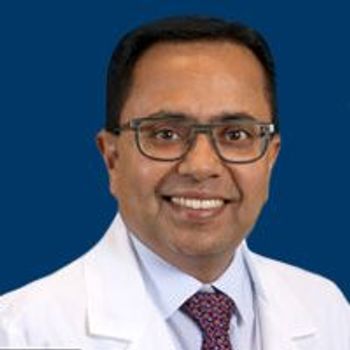
Huntsman Cancer Institute has appointed new roles for Theresa Werner, MD, and Neeraj Agarwal, MD, FASCO.
Press Release
Doctors diagnosed Christopher Gregg, PhD, with stage IV metastatic breast cancer in 2018. Then, he started thinking of ways to improve his treatment.
Alana Welm, PhD, received the 2023 American Association for Cancer Research Outstanding Investigator Award for Breast Cancer Research.
The oral XPO1 inhibitor selinexor in combination with ruxolitinib was associated with a tolerable and manageable adverse effect profile and elicited signals of clinical efficacy in patients with JAK inhibitor–naive myelofibrosis.
Press Release
Researchers at Huntsman Cancer Institute at the University of Utah discovered that the level of blood and immune cells in mouse model offspring would fluctuate based on the amount of folic acid consumed by their mothers during pregnancy.
Press Release
Researchers at University of Utah Health have designed new digital tools that use relevant information from patient health records to prompt doctors to consider lung cancer screening for high-risk patients and provide personalized guidance on screening.
WebMD awarded Huntsman Cancer Institute at the University of Utah its highest honor, the 2023 WebMD Elite Choice Award.
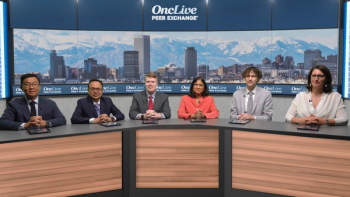
Leading experts discuss the exciting progress and challenges in the field of kidney cancer treatment, addressing topics like immunotherapy, biomarkers, and the role of multidisciplinary care.
Experts discuss the potential of triple combination therapies for high-risk renal cell carcinoma (RCC) patients and the challenges posed by their toxicity profiles, emphasizing the need for compelling clinical trial data.
Leading oncologists discuss advanced treatment options for patients with progressing renal cell carcinoma (RCC), focusing on the promising results from LITESPARK-005 and treatment sequencing strategies.
Expert insight into how to discuss and manage treatment-related toxicities with cancer patients and their families, emphasizing the importance of early communication and vigilance.
Expert oncologists discuss the nuances of managing toxicities associated with Cabozantinib and Nivolumab combination therapy for advanced renal cell carcinoma (RCC).
Expert oncologists discuss the challenges and considerations in choosing second-line therapy for a patient with metastatic renal cell carcinoma (RCC) in a case-based context.
Renowned oncologists discuss critical factors influencing their decisions for frontline therapy in metastatic renal cell carcinoma (RCC), including risk assessment, sites of metastasis, performance status, and treatment goals.
A comprehensive discussion on VEGF-TKI-based combinations and immune checkpoint inhibitor combinations in the treatment of renal cell carcinoma, featuring key clinical trial results and treatment strategies.
Oncologists discuss the selection of the optimal frontline therapy for renal cell carcinoma, considering factors like response rates, progression, quality of life, and long-term results.
Key opinion leaders discuss the use of brain MRI and bone assessment in the staging and monitoring of patients with renal cell carcinoma.
Renowned oncologists discuss the case of a 75-year-old man with advanced renal cell carcinoma, providing insights into evaluation and frontline therapy choices.
Explore statistics behind and possible patient presentations of advanced renal cell carcinoma (RCC), with insight into IMDC risk stratification that may influence treatment strategies and outcomes.
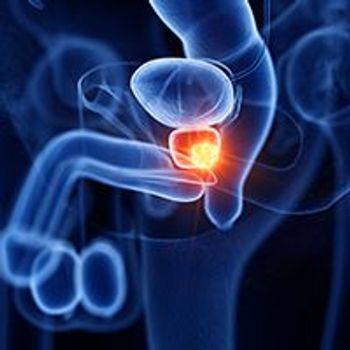
Press Release
The National Cancer Institute awarded investigators at Huntsman Cancer Institute a grant totaling more than $3 million to conduct a clinical trial to see if combining creatine monohydrate supplementation and resistance exercise training helps preserve muscle in people who have metastatic prostate cancer.
Huntsman Cancer Institute at the University of Utah and Utah Valley University proudly announce a groundbreaking partnership called the “Huntsman Cancer Institute–Utah Valley University Health Collaborative.”

Neeraj Agarwal, MD, discusses the benefit of PARP inhibitors compared with chemotherapy in patients with metastatic castration-resistant prostate cancer.
Press Release
Researchers at Huntsman Cancer Institute identified potential new treatment options for people with endometrial cancer.