
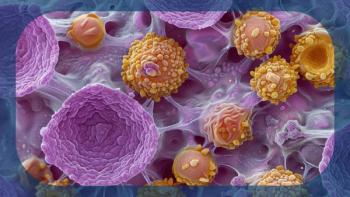
Mayo Clinic Treats First Person in the US With a Novel Radiopharmaceutical Therapy for Breast Cancer
Researchers are leading the nation in using powerful and precise radioactive drugs to treat people with complex cancers.
Researchers are leading the nation in using powerful and precise radioactive drugs to treat people with complex cancers.
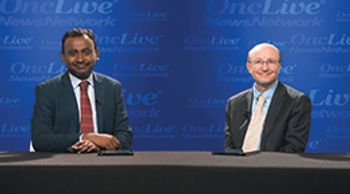
Austin Kulasekararaj, MBBS, MD, MRCP, FRCPath, and David Dingli, MD, PhD, discuss unmet needs to address in the management of PNH.
Austin Kulasekararaj, MBBS, MD, MRCP, FRCPath, and David Dingli, MD, PhD, discuss implications of data from the APPULSE-PNH trial of iptacopan.
Austin Kulasekararaj, MBBS, MD, MRCP, FRCPath, and David Dingli, MD, PhD, detail factors for selecting iptacopan in C5 inhibitor–naive and –exposed PNH.
Austin Kulasekararaj, MBBS, MD, MRCP, FRCPath, and David Dingli, MD, PhD, on data for iptacopan in PNH after switching anti-C5 therapy.
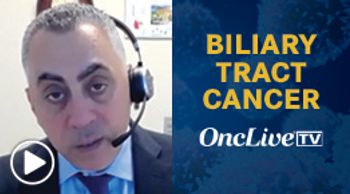
Tanios S. Bekaii-Saab, MD, discusses current and emerging therapeutic targets for the treatment of patients with biliary tract cancers.
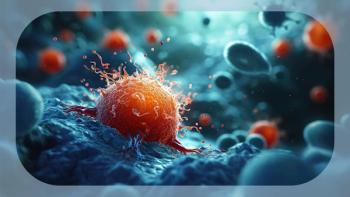
Mayo Clinic researchers have discovered a key reason some patients with cancer relapse after receiving CAR T-cell therapy.
Austin Kulasekararaj, MBBS, MD, MRCP, FRCPath, and David Dingli, MD, PhD, on the implications of the FDA approval of Iptacopan for PNH.
Austin Kulasekararaj, MBBS, MD, MRCP, FRCPath, and David Dingli, MD, PhD, on the current management of paroxysmal nocturnal hemoglobinuria.

Cholangiocarcinoma care begins with an evaluation by a multidisciplinary team. Mayo Clinic team members work together to review cases as a tumor board.
Austin Kulasekararaj, MBBS, MD, MRCP, FRCPath, and David Dingli, MD, PhD, on the current management of paroxysmal nocturnal hemoglobinuria.

The top 5 OncLive videos of the week cover insights in CLL, multiple myeloma, follicular lymphoma, and extrapulmonary neuroendocrine carcinomas.
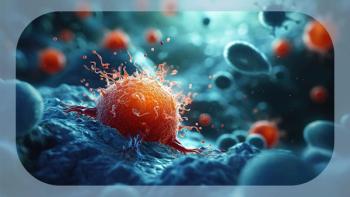
The Mayo Clinic's new facility will house the first carbon ion therapy program in the Western Hemisphere.
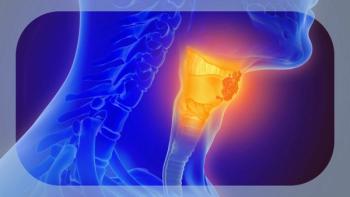
Recent research at Mayo Clinic evaluated thyroid cancer risk in men and women.

Tanios S. Bekaii-Saab, MD, FACP, discusses the use of tislelizumab plus chemotherapy in unresectable or metastatic ESCC.

Rafael Fonseca, MD, discusses factors for selecting a treatment in relapsed/refractory multiple myeloma.
Penpulimab gets green light from FDA for nasopharyngeal carcinoma, sacituzumab govitecan combination boosts PFS in TNBC, and more.
Tanios S. Bekaii-Saab, MD, details studies of ctDNA-guided strategies that are elucidating the role of adjuvant therapies in CRC and agents of promise.
Here is your snapshot for all therapeutic options that were approved by the FDA in March 2025 spanning tumor types.
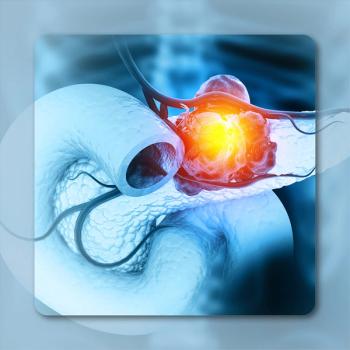
A Mayo Clinic study showed that KRAS circulating tumor DNA strongly indicates a higher risk of pancreatic cancer spread and worse survival rates.
The top 5 OncLive videos of the week cover insights in multiple myeloma, HER2+ breast cancer, non¬–muscle-invasive bladder cancer, and ovarian cancer.

Mark D. Tyson, II, MD, MPH, discusses challenges choosing between nadofaragene firadenovec, nogapendekin alfa, and pembrolizumab in BCG-unresponsive NMIBC.
The top 5 OncLive videos of the week cover insights in gynecologic cancer, multiple myeloma, urothelial cancer, MPNs, and prostate cancer.

Grzegorz S. Nowakowski, MD, discusses the FDA approval of brentuximab vedotin plus lenalidomide and rituximab for relapsed/refractory LBCL.

A discovery by researchers from Mayo Clinic may help explain why immunotherapy hasn't been helpful for many patients with metastatic colorectal cancer.
Grzegorz S. Nowakowsi, MD, discusses the unique mechanism of action of brentuximab vedotin plus lenalidomide and rituximab in relapsed/refractory LBCL.
Multidisciplinary treatment addresses all facets of patient health, resulting in personalized prostate cancer treatment plans that optimize outcomes.

Grzegorz S. Nowakowski, MD, and Samuel Yamshon, MD, discuss follicular lymphoma data from ASH 2024.
Grzegorz S. Nowakowski, MD, and Samuel Yamshon, MD, discuss data for mosunetuzumab in newly diagnosed follicular lymphoma.