

Pooja Advani, MBBS, MD, discusses the use of ribociclib plus endocrine therapy for patients with hormone receptor–positive, HER2– breast cancer.
Pooja Advani, MBBS, MD, discusses the use of ribociclib plus endocrine therapy for patients with hormone receptor–positive, HER2– breast cancer.

Ricardo D. Parrondo, MD, discusses the phase 1b/2 RedirecTT-1 of teclistamab and talquetamab in relapsed/refractory multiple myeloma.
Pooja Advani, MBBS, MD, discusses the advantages of using liquid biopsy in metastatic breast cancer.
A panel of experts discuss how to sequence BTK inhibitors and CAR T-cell therapies in patients with MCL.
Experts on mantle cell lymphoma discuss third-line treatment options available for patients.
Pooja Advani, MBBS, MD, discusses key advancements that have occurred for the treatment of patients with triple-negative breast cancer.
Ricardo D. Parrondo, MD, discusses the exploration of the non-BCMA CAR T-cell target GPRC5D in multiple myeloma.

Talha Badar, MBBS, MD, discusses key efficacy data with imetelstat from the phase 2/3 IMerge trial of patients with lower-risk myelodysplastic syndrome.
Experts on mantle cell lymphoma discuss second-line treatment options available for patients.
A panel of experts review latest data from ASH 2023 on approved and emerging therapies in frontline MCL.

Talha Badar, MBBS, MD, discusses the FDA approval of ivosidenib for patients with myelodysplastic syndrome and the future management of this disease.
Experts on mantle cell lymphoma discuss first-line treatment options available for patients.
Laurie Sehn, MD, and Bijal Shah, MD, discuss remaining unmet needs for patients with relapsed/refractory FL.
Talha Badar, MBBS, MD, discusses myelodysplastic syndrome risk stratification and the FDA approval of luspatercept for patients with this disease.
Peter Martin, MD, discusses how to sequence bispecific T-cell engagers and CAR T-cell therapies in the third-line and beyond setting for FL.
Jennifer Crombie, MD, discusses how to choose CAR T-cells as third-line and beyond therapy for FL.
Pooja Advani, MBBS, MD, discusses the potential utilization of capivasertib plus fulvestrant in hormone receptor–positive, HER2-negative breast cancers with PIK3/AKT/PTEN pathway alterations.

As novel drugs targeting the AURKA pathway continue to advance through the development pipeline, alisertib has emerged as an agent of particular note.
A panel of experts discuss how to choose bispecific T-cell engagers as third-line and beyond therapy for FL.
Laurie Sehn, MD, discusses recent data on zanubrutinib, a BTK inhibitor, as third-line and beyond therapy for FL.
Sikander Ailawadhi, MD, discusses non-BCMA CAR T-cell therapies currently under investigation in multiple myeloma.
Sikander Ailawadhi, MD, shares considerations for the potential sequencing of bispecific antibodies and other BCMA-directed therapies in multiple myeloma.
Peter Martin, MD, discusses recent data on tazemetostat, an EZH2 inhibitor, as third-line and beyond therapy for FL.
Matthew Lunning, DO, discusses recent data on bispecific T-cell engagers as third-line and beyond therapy for FL.
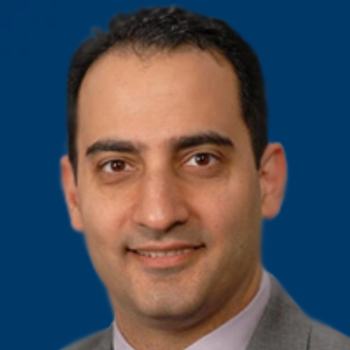
Sikander Ailawadhi, MD, spotlights the characteristics of multiple myeloma that drive the decision to use teclistamab-cqyv, elranatamab-bcmm, or talquetamab-tgvs.
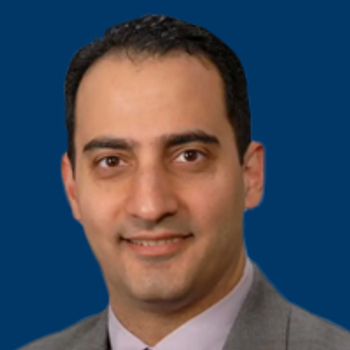
Iopofosine I 131 monotherapy elicited durable responses and was associated with a tolerable safety profile in patients with heavily pretreated, multi-class refractory Waldenström macroglobulinemia.

Pooja Advani, MBBS, MD, details the encouraging activity of antibody-drug conjugates in triple-negative breast cancer, the importance of utilizing next-generation sequencing to inform treatment selection after progression on CDK4/6 inhibitors in this disease setting, and more.

Oliver Sartor, MD, discusses updated efficacy findings from the phase 3 PSMAfore trial of lutetium Lu 177 vipivotide tetraxetan in patients with previously treated, taxane-naive metastatic castration-resistant prostate cancer.
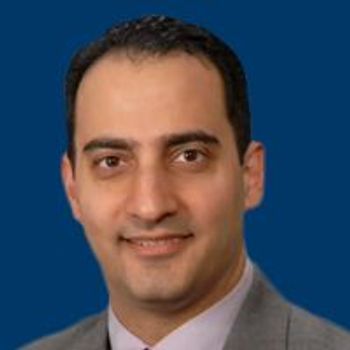
Sikander Ailawadhi, MD, discusses characteristics of myelofibrosis that influence decisions between JAK inhibitors, highlights differences between bispecific antibodies to consider when managing diffuse large B-cell lymphoma, and more.
Sikander Ailawadhi, MD, oncologist, Department of Hematology, CAR T-Cell Therapy Program, Mayo Clinic, discusses how the investigational agent iopofosine I-131 may address unmet needs for patients with Waldenström macroglobulinemia.