

Pooja Advani, MBBS, MD, details key advancements and the significance of pivotal trials that were presented by her colleagues at a recent OncLive® State of the Science Summit™ on breast cancer, which she chaired.
Pooja Advani, MBBS, MD, details key advancements and the significance of pivotal trials that were presented by her colleagues at a recent OncLive® State of the Science Summit™ on breast cancer, which she chaired.
Discover the latest insights on treating uncommon EGFR mutations, emphasizing the importance of NGS, personalized therapy, and ongoing advancements in TKIs and ADCs.
Bijal Shah, MD, discusses recent data on CAR T-cell therapy as third-line and beyond treatment for FL.
Experts on follicular lymphoma discuss second-line treatment options available for patients.
A panel of experts review latest data from ASH 2023 on approved and emerging therapies in frontline FL.
Experts share treatment experiences with osimertinib and afatinib, the potential role of immunotherapy, and ongoing investigations with ADCs and emerging TKIs for patients with uncommon EGFR mutations.
Insights into how the UNICORN study, which assessed osimertinib, is impacting treatment decisions for uncommon EGFR mutations, and other ongoing trials shedding light on effective treatments for this patient population.
Expert insights on sequencing treatment options for patients with uncommon EGFR mutations who have progressed on afatinib, emphasizing clinical trial considerations, biomarker testing, and emerging therapeutic approaches.
Explore dosing nuances and adverse event management strategies for afatinib in treating EGFR mutant non-small cell lung cancer, reflecting real-world practices and clinical insights.
Experts on follicular lymphoma discuss first-line treatment options available for patients.
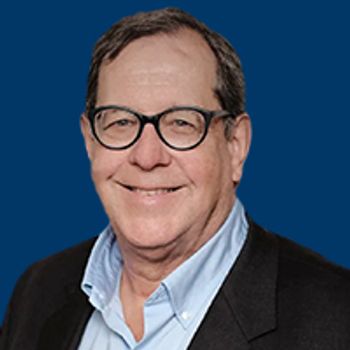
Oliver Sartor, MD, discusses the significance of the data with lutetium Lu 177 vipivotide tetraxetan in the open-label, multicenter randomized study, highlights potential next steps with this approach, and expands on unique adverse effects to be aware of when treating patients with this drug.

Lance C. Pagliaro, MD, highlights updated data from the JAVELIN Bladder 100 and EV-103 trials in metastatic urothelial carcinoma, discusses their relevance for navigating the expanding treatment armamentarium for this disease, and outlines several future avenues for research.
Panelists discuss the intricacies of treating uncommon EGFR mutations, dissecting approved treatment options, considerations for specific mutations, and insights into the evolving drug landscape.
Explore the complexity of uncommon EGFR mutations in lung cancer with experts discussing classifications, testing methodologies, and the necessity of comprehensive panels for accurate identification.
Delve into the evolving landscape of treating EGFR mutations in lung cancer, exploring emerging therapies, structural classifications, and the complexity of individual mutation responses.
The impact of and strategies for addressing less frequent mutations in NSCLC treatment decisions, emphasizing actionable alterations and timely interventions in challenging scenarios.
Expert perspectives on improving turnaround times in genomic testing for lung cancer, covering strategies, challenges, and the significance of liquid biopsy in optimizing patient care.
Shared insight into strategies in genomic testing for lung cancer, emphasizing the importance of comprehensive next-generation sequencing, DNA vs. RNA sequencing, and the evolving role of liquid biopsy.

Closing out their panel, experts discuss the potential of blood-based tests to democratize access to cancer screening, complement existing protocols, and achieve early detection goals in the fight against cancer.
Elizabeth O’Donnell, MD, and Tomasz Beer, MD, FACP, recap key takeaways from the panel and consider the potential of MCED testing in transforming cancer screening and addressing gaps in early detection.
Experts reflect on the evolving landscape of biomarker testing in lung cancer, examining its crucial role in treatment decisions and advancements in perioperative and adjuvant therapies.
Explore the latest breakthroughs in precision medicine with a focus on biomarker testing and emerging targets in patients with non–small cell lung cancer.
Explore the pivotal role of the Moonshot Cancer Initiative and MCED Consortium in shaping the landscape of early cancer detection and screening, with a focus on innovative screening tools and legislative support.
Implementation challenges and the importance of equitable access in the future of multi-cancer early detection tests.
Shared insight into the efficiency of diagnostic resolution approaches, comparing imaging-based and molecular tissue of origin strategies in multi-cancer early detection testing.
Expert perspectives about the ASCEND trial, its study design, and the critical role it plays in developing advanced cancer detection methods.
Discover the potential clinical implications of groundbreaking cancer screening studies, DETECT-A and PATHFINDER, and the evolving landscape of multi-cancer early detection.
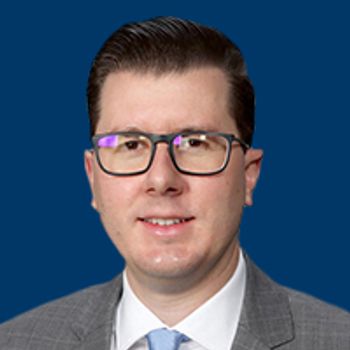
Ricardo D. Parrondo, MD, highlights the current use of covalent BTK inhibitors in chronic lymphocytic leukemia, potential roles for the non-covalent BTK inhibitor pirtobrutinib, and the importance of future research on time-limited treatment options for patients with newly diagnosed chronic lymphocytic leukemia.
While progress in outcomes has been greater in non–small cell lung cancer, recent advances, including molecularly targeted therapies against EGFR and ALK, checkpoint inhibitors that boost immune response, improved staging, and video-assisted surgery have all contributed to progress in treatment of all types of lung cancer, including in SCLC.
Panelists explore recent findings of the PATHFINDER study, focusing on the objectives, study design, key results, and differences from previous studies, shedding light on the potential of early cancer detection tests.