
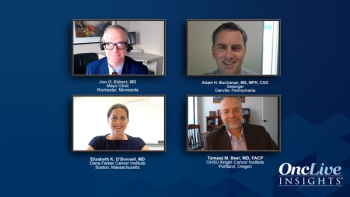
Shared insight into findings of the DETECT-A study, a prospective interventional trial, covering feasibility, safety, and performance of multicancer early detection tests in a healthcare system setting.
Shared insight into findings of the DETECT-A study, a prospective interventional trial, covering feasibility, safety, and performance of multicancer early detection tests in a healthcare system setting.
Ricardo D. Parrondo, MD, discusses the current treatment landscape of mantle cell lymphoma and highlights ongoing areas of investigation in other hematologic malignancies.
Lance C. Pagliaro, MD, discusses the efficacy of first-line avelumab maintenance therapy, as seen in the phase 3 JAVELIN Bladder 100 trial in patients with advanced urothelial carcinoma.
Muhamad Alhaj Moustafa, MD, MS, discusses the evolution of treatment options for patients with mantle cell lymphoma.
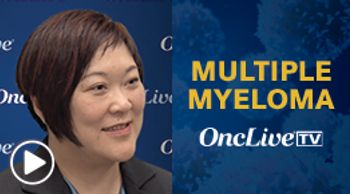
Yi Lin, MD, PhD, discusses findings from the primary analysis of the phase 1/2 CARTITUDE-1 trial of the BCMA-targeting CAR T-cell therapy ciltacabtagene autoleucel in patients with relapsed/refractory multiple myeloma.
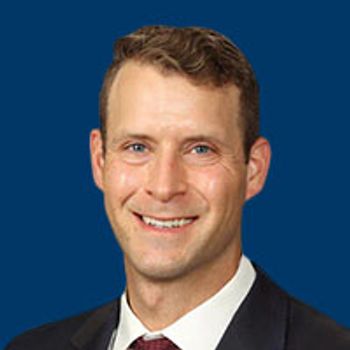
Daniel S. Childs, MD, and colleagues spotlight future innovations in the management of metastatic hormone-sensitive prostate cancer, treatment sequencing for metastatic urothelial carcinoma, and key data with PARP inhibitor combinations in metastatic castration-resistant prostate cancer.
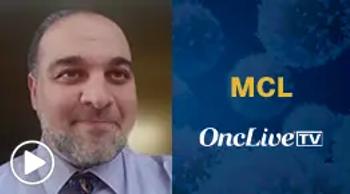
Muhamad Alhaj Moustafa, MD, MS, discusses the phase 3 SHINE trial, which evaluated ibrutinib given with bendamustine and rituximab in patients with mantle cell lymphoma.
Expert panelists delve into multicancer early detection testing and discuss its potential to revolutionize cancer screening, close healthcare gaps, and complement standard care approaches.
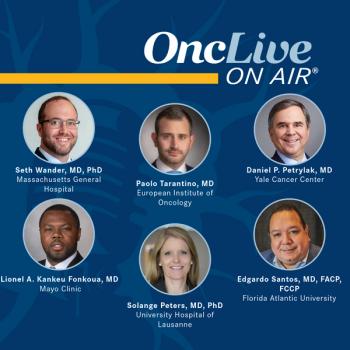
Oncology experts discuss the platinum chemotherapy shortage in the United States.
Muhamad Alhaj Moustafa, MD, MS, has improved the treatment of patients with mantle cell lymphoma, and the role that this agent has in the current treatment landscape.
Ricardo D. Parrondo, MD, discusses the clinical benefit seen with momelotinib in anemic myelofibrosis, and where it fits into the current treatment paradigm in this disease landscape.
Immunotherapy has become a valuable tool for the treatment of patients with various types of lymphomas because of its ability to specifically target cancer cells, particularly those in blood cancers.
Jeremy C. Jones, MD, discusses the applications of circulating tumor DNA testing in colorectal cancer.
Explore critical issues surrounding health disparities in cancer screening, as discussed by experts, and the urgent need to bridge gaps in access, trust, and follow-up care for underserved populations.
A panel of esteemed cancer experts explore the challenges and opportunities in cancer screening and identification, shedding light on the evolving landscape and its impact on clinical practice.
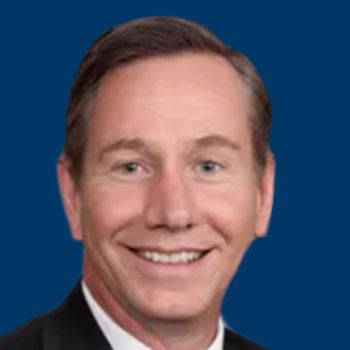
Stephen M. Ansell, MD, PhD, discusses the successes and challenges of utilizing immune therapy across the landscape of hematologic malignancies, the importance of increasing the understanding of how the immune system functions in patients with lymphoma, and ongoing research of immune therapy for this patient population.
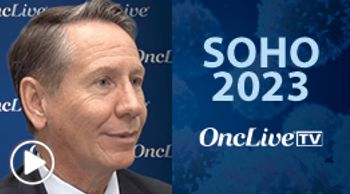
Key opinion leaders from across the hematologic oncology realm shared their biggest takeaways from the 2023 SOHO Annual Meeting.
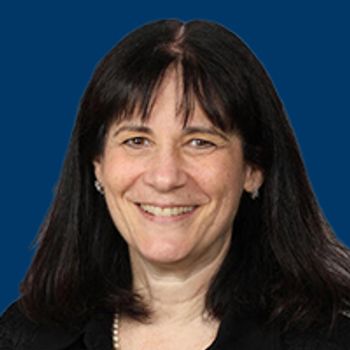
The smoldering multiple myeloma treatment paradigm harbors fractures in the consensus regarding the optimal management of this disease, with some experts favoring a watch-and-wait approach and others advocating for early treatment.
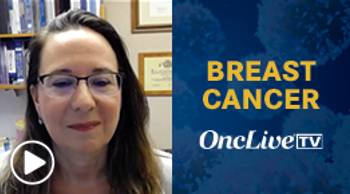
Judy C. Boughey, MD, discusses key characteristics that define the ideal population for surgical de-escalation among patients with breast cancer.
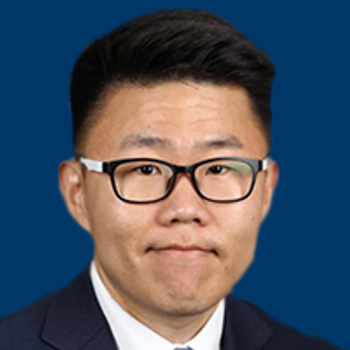
Although findings from the International Duration Evaluation of Adjuvant Therapy collaboration in 2018 failed to demonstrate the noninferiority of 3 months of adjuvant chemotherapy vs 6 months for patients with stage III colon cancer, clinically relevant data in subgroup analyses have influenced practice prescribing patterns, according to a retrospective analysis.
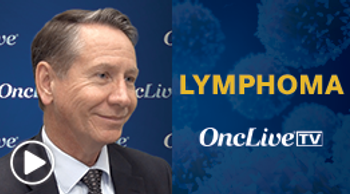
Stephen M. Ansell, MD, PhD, highlights several emerging therapeutics that have the potential to better harness the immune system in patients with lymphoma subtypes.
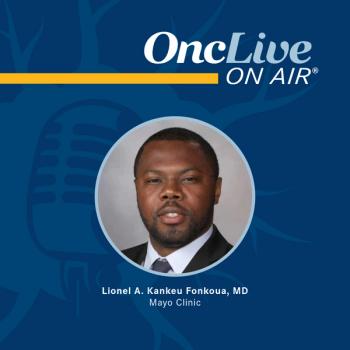
Dr Fonkoua discusses the ways in which common clinical trial enrollment criteria in oncology exclude patients from underrepresented groups, enrollment disparities that uniquely affect patients with liver cancer, and initiatives that Mayo Clinic is participating in to eliminate barriers to clinical trial enrollment.
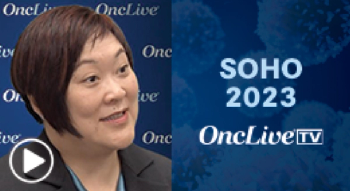
Yi Lin, MD, PhD, discusses the patient characteristic for those with relapsed/refractory multiple myeloma who experienced sustained minimal residual disease negativity following treatment with ciltacabtagene autoleucel during the phase 1/2 CARTITUDE-1 trial.
Yi Lin, MD, PhD, the predictive value of baseline characteristics in relation to sustained minimal residual disease negativity following treatment with ciltacabtagene autoleucel in patients with relapsed/refractory multiple myeloma.

Lionel A. Kankeu Fonkoua, MD, discusses the importance of addressing barriers to clinical trial access that patients with cancer may face and increasing patient access to routine, primary care.
Mitesh J. Borad, MD, highlights key additional findings from ReFocus and how RLY-4008 differs from currently available FGFR2 inhibitors.

Lionel A. Kankeu Fonkoua, MD, discusses prevalent liver cancer clinical trial enrollment disparities.
Matthew P. Goetz, MD, discusses the available treatment options for patients with metastatic hormone receptor–positive breast cancer in the post-CDK inhibitor setting.
Lionel A. Kankeu Fonkoua, MD, discusses how the platinum chemotherapy shortage in the United States may exacerbate disparities in cancer care and the importance of conducting research to investigate the potential implications of this shortage on patients in underserved communities.
A panel of expert oncologists offer closing thoughts on the future treatment landscape and unmet needs in small-cell lung cancer.