
Hans C. Lee, MD, discusses the significance of longer-term data for linvoseltamab from the LINKER-MM1 study in relapsed/refractory multiple myeloma.
Hans C. Lee, MD, discusses the significance of longer-term data for linvoseltamab from the LINKER-MM1 study in relapsed/refractory multiple myeloma.
In case you missed it, read a recap of every episode of OncLive On Air recorded in January 2024.
Jeremy L. Ramdial, MD, discusses the myeloablative conditioning regimen gemcitabine, clofarabine, and busulfan in patients with aggressive lymphomas.
Neil D. Gross, MD, FACS, discusses a phase 2 study evaluating neoadjuvant cemiplimab in cutaneous squamous cell carcinoma.
Dr Tripathy discusses the unique aspects of the Miami Breast Cancer Conference that make it worth returning to year after year.

Michael J. Overman, MD, discusses the potential use of endoscopy and ctDNA to guide nonoperative management approaches in gastrointestinal cancers.
Eleonora Dondossola, PhD, discusses the importance of studying bone metastasis in RCC and other genitourinary cancers.
The expert panel concludes their discussion with clinical insights on treatment sequencing and therapeutic decision-making for patients who have relapsed.
A roundtable discussion on the evolving treatment landscape surrounding CAR T-cell therapy in multiple myeloma, with a focus on future directions and the management of adverse events.
The expert panel discusses recent clinical trial data on GPRC5D-targeting bispecific antibodies and how they apply to the multiple myeloma treatment paradigms.
Comprehensive insights on the adverse effects seen from bispecific antibodies in the treatment of patients with multiple myeloma.
Multiple myeloma specialists compare step-up dosing practices and provide clinical insights on treating patients with multiple myeloma.
Experts on multiple myeloma discuss how real-world evidence informs treatment selection for patients receiving bispecific antibodies.
Hans Lee, MD, discusses updated data from the LINKER-MM1 study in heavily pretreated relapsed/refractory multiple myeloma.
An expert panel reviews recent updates on BCMA-targeting bispecific antibodies in multiple myeloma.
Krina Patel, MD, reviews data from the CARTITUDE-4 and KarMMa-3 studies and shares perspectives on a potential role for CAR T-cell therapy at early relapse.
Guillermo Garcia-Manero, MD, spotlights the evolution of oral azacitidine- and decitabine-based regimens for MDS.
A panel of expert hematologic-oncologists offer insights on how they treat patients with multiple myeloma at early relapse.
The expert panel discusses how the standard of care for transplant-ineligible NDMM has evolved and reviews recent updates in this space.
Adjuvant chemotherapy did not improve circulating tumor DNA clearance in patients with stage II colon cancer with baseline circulating tumor DNA.
Amrita Krishnan, MD, and Saad Z. Usmani, MD, MBA, FACP, offer their perspectives on the role of stem cell transplant and MRD testing in patients with newly diagnosed multiple myeloma.
Clinical insights on the definition of high-risk multiple myeloma and the treatment of patients with high risk disease, including how the results from the IsKia trial might impact practice.
Experts in multiple myeloma discuss highlights from the ASH 2023 meeting around transplant-eligible NDMM with particular focus on the PERSEUS and GRIFFIN trials and the clinical implications of the results of these studies.
Neil D. Gross, MD, FACS, shares how neoadjuvant cemiplimab followed by surgery improved EFS in patients with stage II-IV cutaneous squamous cell carcinoma.
Alessandra Ferrajoli, MD, discusses the research needs for describing the risk of hypertension linked with BTK inhibitors in chronic lymphocytic leukemia.
Hans C. Lee, MD, discusses updated data from the phase 2 LINKER-MM1 study evaluating linvoseltamab in patients with relapsed/refractory multiple myeloma.
Eric Jonasch, MD, discusses the goals of a meeting sponsored by the International Kidney Cancer Coalition that will focus on patient advocacy in GU malignancies.
Alessandra Ferrajoli, MD, discusses the rationale for, and findings from, a cumulative review of hypertension in patients with chronic lymphocytic leukemia and other hematologic malignancies who received acalabrutinib.
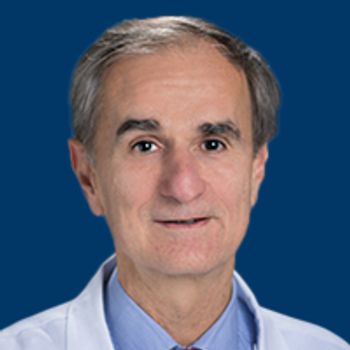
The pain and suffering that Eduardo Bruera, MD, FAAHPM, witnessed in patients during his clinical oncology rotations motivated him to reshape palliative care treatment.
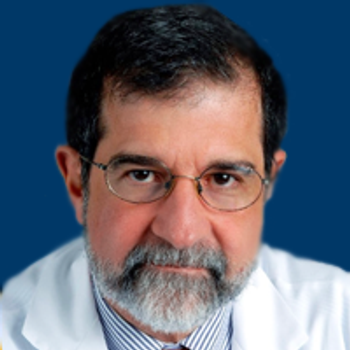
Fernando Cabanillas, MD, a mentor and leader in the lymphoma field, is being recognized for his contributions to the hematologic oncology space.