

The top 5 OncLive TV videos of the week cover insights in mantle cell lymphoma, endometrial cancer, salivary gland cancer, myeloproliferative neoplasms, and renal cell carcinoma.
The top 5 OncLive TV videos of the week cover insights in mantle cell lymphoma, endometrial cancer, salivary gland cancer, myeloproliferative neoplasms, and renal cell carcinoma.
Experts from across oncology specialties highlight research being presented at the 2026 AACR Annual Meeting.
Jennifer Wargo, MD, of The University of Texas MD Anderson Cancer Center, has been elected to the 2026 class of Fellows of the American Association for Cancer Research (AACR) Academy.
Luhua (Michael) Wang, MD, discusses the significance of the full FDA approval of brexu-cel in relapsed/refractory mantle cell lymphoma.
Experts highlight ctDNA-guided strategies, ADCs, and targeted therapies shaping CRC research in the first quarter of 2026.
A new study from researchers at The University of Texas MD Anderson Cancer Center shows that a specialized high-dose type of radiation delivery may improve outcomes in cholangiocarcinoma
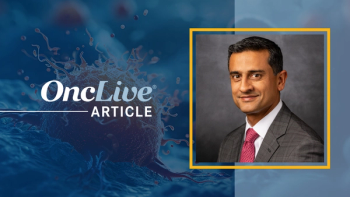
Shubham Pant, MD, MBBS, discusses recent treatment advancements across gastrointestinal malignancies.
Theresa Guise, MD, and Stephanie S. Watowich, PhD, of The University of Texas MD Anderson Cancer Center, have been elected fellows of the American Association for the Advancement of Science.
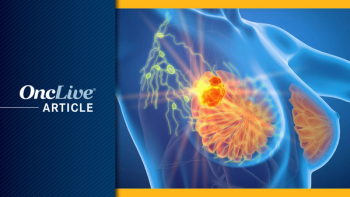
Tucatinib and trastuzumab, plus capecitabine, may improve symptoms and extend survival in some breast cancer patients with leptomeningeal metastasis.
Shubham Pant, MD, MBBS, discusses data from the phase 3 BREAKWATER trial supporting upfront targeted therapy in BRAF V600E–mutant mCRC.
Peter WT Pisters, MD, received the Charles M. Balch, MD, Distinguished Service Award at the 2026 Society of Surgical Oncology Annual Meeting
W. Fraser Symmans, MD, discusses data on the current state of AI-driven digital pathology in HR+ breast cancer.
Eric K. Singhi, MD, discusses where TROP2-directed ADCs like datopotamab deruxtecan and sacituzumab tirumotecan may fit in evolving treatment algorithms in lung cancer.
The James P. Allison Institute at The University of Texas MD Anderson Cancer Center appointed new members to advance the institute’s immunotherapy work.
Jason Aboudi Mouabbi, MD, discusses challenges associated with diagnosing lobular breast cancer and the promising predictive value of FES-PET/CT imaging.

At The University of Texas MD Anderson Cancer Center, research breakthroughs are made through collaboration between leading clinicians and scientists.
The top 5 OncLive TV videos of the week cover insights in kidney cancer, myeloproliferative neoplasms, breast cancer, systemic mastocytosis, and pancreatic cancer.
Nicholas Short, MD, discusses TKIs like ponatinib and combining them with other treatments for ALL.
Shubham Pant, MD, discusses data from the phase 3 NAPOLI 3 trial supporting NALIRIFOX as a potent frontline regimen for metastatic pancreatic cancer.
The top 5 OncLive TV videos of the week cover insights in acute lymphoblastic leukemia, breast cancer, urothelial cancer, ovarian cancer, and follicular lymphoma.
MD Anderson data scientist Iakovos Toumazis, PhD, will further IDSO's goal to bring data science to inform decision-making for cancer control and public health.
Ahead of the 2026 Transplantation & Cellular Therapy Meetings, experts preview data on CAR T-cell therapy efficacy, donor access, and toxicity mitigation.
The top 5 OncLive TV videos of the week cover insights in multiple myeloma, myelodysplastic syndrome, breast cancer, colorectal cancer, and cervical cancer.
Kanwal P.S. Raghav, MBBS, MD, discusses standards for data interpretation in clinical trials involving ctDNA testing in CRC.
Xiuning Le, MD, PhD, discusses the mechanism of action of sevabertinib in HER2-mutated NSCLC.

Guillermo Garcia-Manero, MD, discusses the phase 3 GLORA-4 study of lisaftoclax plus azacitidine in higher-risk MDS.

Cancer vaccine, NOUS-209 was found to stimulate the immune system and target precancerous cells in Lynch Syndrome according to MD Anderson Cancer center.
Kanwal P.S. Raghav, MBBS, MD, discusses the mechanism of action of telisotuzumab adizutecan in post-adjuvant ctDNA-positive CRC.
Dr Garcia-Manero contextualizes lisaftoclax's potential to improve outcomes historically achieved with azacitidine alone in higher-risk MDS.
Guillermo Garcia-Manero, MD, discusses how updated VERONA trial data showed no OS benefit with venetoclax plus azacitidine vs azacitidine alone in MDS.