
Gregory J. Riely, MD, PhD, and Benjamin Besse, MD, discuss data for lorlatinib in ROS1-positive NSCLC after crizotinib and chemotherapy.
Gregory J. Riely, MD, PhD, and Benjamin Besse, MD, discuss data for lorlatinib in ROS1-positive NSCLC after crizotinib and chemotherapy.
Gregory J. Riely, MD, PhD, and Benjamin Besse, MD, discuss data for taletrectinib in ROS1-positive advanced non–small cell lung cancer.
Gregory J. Riely, MD, PhD, and Benjamin Besse, MD, discuss progression patterns and therapies after lorlatinib in ALK-positive NSCLC.
Gregory J. Riely, MD, PhD, and Benjamin Besse, MD, discuss preclinical CNS data for the ROS1 inhibitor zidesamtinib.
Gregory J. Riely, MD, PhD, and Benjamin Besse, MD, discuss data for zidesamtinib in ROS1-positive non–small cell lung cancer.
Gregory J. Riely, MD, PhD, and Benjamin Besse, MD, discuss data for NVL-655 in ALK-positive NSCLC and other ALK-positive solid tumors.
Gregory J. Riely, MD, PhD, and Benjamin Besse, MD, discuss testing for ALK-positive and ROS1-positive non–small cell lung cancer.
In this final episode of OncChats: Optimizing the Use of Bispecific Antibodies in Myeloma and Beyond, experts discuss plans for developing guidelines and policies to enhance management of bispecific T-cell engagers across various centers.
In this episode of OncChats: Optimizing the Use of Bispecific Antibodies in Myeloma and Beyond, experts discuss the need for continued evaluation of prophylactic treatments like tocilizumab and antimicrobial measures for bispecific T-cell engagers.
In this episode of OncChats: Optimizing the Use of Bispecific Antibodies in Myeloma and Beyond, experts emphasize the need for comprehensive patient education, effective communication, and specific safety protocols to manage patients receiving bispecific T-cell engagers.
In this episode of OncChats: Optimizing the Use of Bispecific Antibodies in Myeloma and Beyond, experts discuss the challenges and strategies in managing bispecific T-cell engagers in the realm of cancer, emphasizing the importance of community and tertiary care collaboration to handle unique AEs like CRS and the need for well-defined protocols.
In this episode of OncChats: Optimizing the Use of Bispecific Antibodies in Myeloma and Beyond, experts discuss bispecific T-cell engagers, highlighting their effectiveness in treating hematologic malignancies like multiple myeloma, their potential use in solid tumors, and the importance of managing unique toxicities.
Combination therapies with neoadjuvant ICIs and chemotherapy followed by an adjuvant ICI are here to stay in resectable non–small cell lung cancer.

Martin H. Voss, MD, discusses the clinical significance of the phase 3 KEYNOTE-564 trial in clear cell renal cell carcinoma.
Martin H. Voss, MD, discusses the evaluation of nivolumab plus ipilimumab in IMDC-classified intermediate/poor-risk renal cell carcinoma.

Saad Z. Usmani, MD, MBA, FACP, FASCO, expands on data from the CEPHEUS trial of D-VRd in transplant-ineligible/-deferred, newly diagnosed multiple myeloma.

Isabel Preeshagul, DO, MBS, discusses ongoing efforts to expand treatment options for patients with extensive- or limited-stage small cell lung cancer.

Yelena Y. Janjigian, MD, discusses final overall survival data from the phase 3 KEYNOTE-811 trial in HER2-positive metastatic gastric or GEJ adenocarcinoma.
Isabel Preeshagul, DO, MBS, and colleagues share updates from across the lung cancer space as discussed in a recent State of the Science Summit.
Isabel Preeshagul, DO, MBS, discusses considerations for treatment selection in the first and second line for patients with EGFR-mutated NSCLC.
Mark Awad, MD, PhD, discusses the significance of the FDA approval of perioperative nivolumab for patients with resectable NSCLC.
Saad Z. Usmani, MD, MBA, FACP, FASCO, discusses challenges of integrating bispecific antibodies and CAR T-cell therapies into the community for myeloma.

MRD negativity was sustained at 1 year following the cessation of maintenance lenalidomide in multiple myeloma.
Saad Z. Usmani, MD, MBA, FACP, FASCO, discusses the efficacy of daratumumab plus VRd in patients with transplant-ineligible or -deferred multiple myeloma.
Daratumumab plus VRd improved MRD-negativity rates in transplant-ineligible or -deferred, newly diagnosed multiple myeloma.
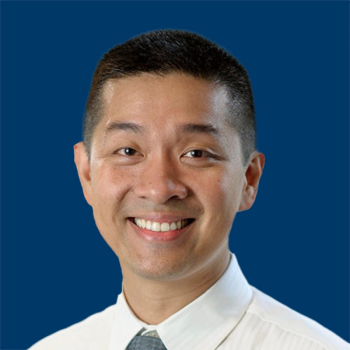
The novel ALK inhibitor NVL-655 demonstrated encouraging activity in heavily pretreated patients with advanced ALK-positive NSCLC.
A 12-mg/kg dose of ifinatamab deruxtecan improved efficacy compared with an 8-mg/kg dose in heavily pretreated patients with extensive-stage small cell lung cancer.
Sergio A. Giralt, MD, discusses how to determine transplant eligibility and the evolving role of transplant for patients with myelodysplastic syndromes.
Ciara Kelly, MBBCh, BAO, discusses ongoing trials to further enhance the treatment of patients with gastrointestinal stromal tumor.
Ciara Kelly, MBBCh, BAO, discusses the evaluation of DCC-3116 in combination with ripretinib in advanced gastrointestinal stromal tumor.