

Focal therapy for prostate cancer has evolved over 2 decades, with advances in imaging, patient selection, treatment modalities, and clinical trials.
Focal therapy for prostate cancer has evolved over 2 decades, with advances in imaging, patient selection, treatment modalities, and clinical trials.

Bispecific antibodies and the latest proton therapy techniques are taking center stage in the treatment of patients with head and neck cancers.
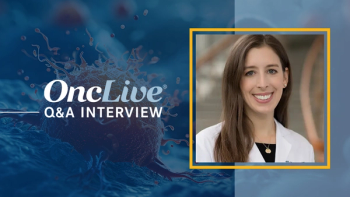
Beth N. McLellan, MD, discusses radiation dermatitis prevention, scalp cooling equity, and the future of personalized oncodermatology in melanoma management.

Metronomic treatment approaches could represent therapeutic avenues for patients with TP53-mutated myeloid malignancies.

The top 5 OncLive TV videos of the week cover insights in lung cancer, renal cell carcinoma, prostate cancer, head and neck cancer, and multiple myeloma.
DFMO shows promise in reducing metastasis in osteosarcoma and Ewing sarcoma, with phase 2 trials underway to test its role as maintenance therapy.
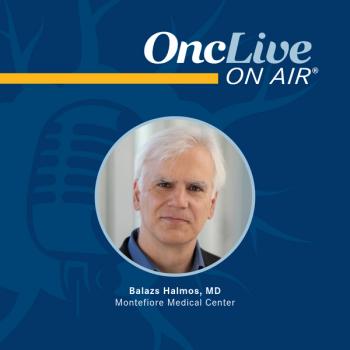
Dr Halmos discusses the VISION trial, the significance of MET exon 14 skipping mutations in NSCLC, and the clinical utility of tepotinib in this disease.
Balazs Halmos, MD, shares suggestions regarding patient selection for adjuvant therapy after neoadjuvant chemoimmunotherapy and surgery in NSCLC.
Hyein Jeon, MD, highlights key abstracts and takeaways from an OncLive Fellows Forum on lung cancer.
Here is your guide to all therapeutic options that were cleared by the FDA in June 2025 spanning tumor types.
Balazs Halmos, MD, discusses the differences in presentation and available treatments between neuroendocrine tumors and neuroendocrine carcinomas.
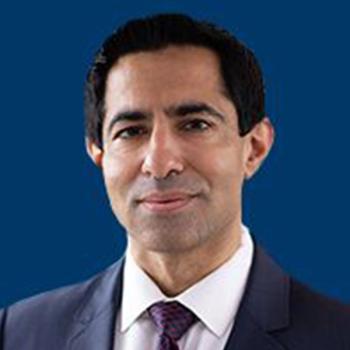
New lung cancer treatment options have emerged, and several groups are exploring treatment strategies that omit chemotherapy for locally advanced NSCLC.
Lung cancer experts discuss successes and hesitations regarding the evolving use of antibody-drug conjugates in non–small cell lung cancer.
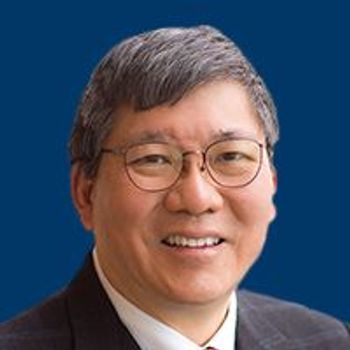
MECCC Earns Three-Year Accreditation from the Commission on Cancer of the American College of Surgeons – Again!
Balazs Halmos, MD, discusses novel targets for drug development in small cell lung cancer.
Balazs Halmos, MD, discusses challenges associated with the diagnosis and treatment of patients with small cell lung cancer.

One of the prime risk factors for CRC is the consumption of a high-risk, Western-style diet high in processed foods, refined grains, red meat, and sugar.
Sheldon M. Feldman, MD, discusses the recognition of racial disparities in breast cancer, as well as the mitigation of treatment-related toxicities.
Sheldon M. Feldman, MD, discusses the significance of the new classification of HER2-low breast cancer and how this affects HER2+ breast cancer treatment
Sheldon M. Feldman, MD, discusses disparities, post-treatment care, and technological advancements in breast cancer during Breast Cancer Awareness Month.
Sheldon M. Feldman, MD, discusses the importance of personalized medicine in breast cancer during Breast Cancer Awareness Month.
Sheldon M. Feldman, MD, discusses how the use of personalized medicine has evolved in breast cancer management.
Sheldon M. Feldman, MD, discusses the importance of Breast Cancer Awareness Month as well as timely screening and early detection.
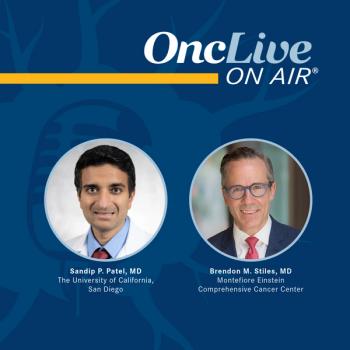
Drs Patel and Stiles discuss the significance of the FDA approval of perioperative durvalumab for patients with resectable non–small cell lung cancer.
Brendon M. Stiles, MD, discusses the FDA approval of perioperative durvalumab plus chemotherapy in early-stage non–small cell lung cancer.
Dr Halmos discusses common AEs associated with the ADCs that are used in NSCLC and ways to manage and mitigate these toxicities.
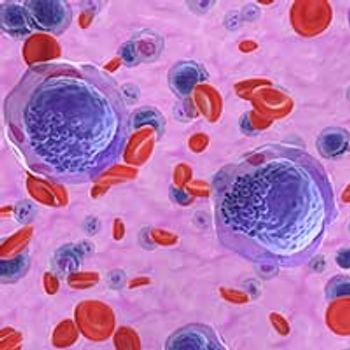
Radiation therapy is a critical component of cancer care that is currently being used in approximately 50% of all patients with cancer.
Neel P. Chudgar, MD, discusses his presentation on resectability in non–small cell lung cancer at the 21st Annual Winter Lung Cancer Conference®.
As genomic testing becomes ubiquitous in cancer care, some patients experience out-of-pocket costs that may affect oncologists’ genetic testing decisions.
Neel P. Chudgar, MD, discusses considerations for determining lung cancer resection eligibility and how neoadjuvant therapy may affect resectability.