
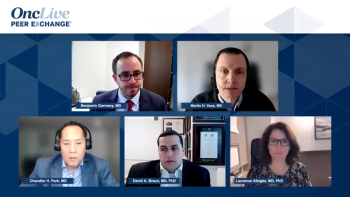
The expert panel discusses the 8-year follow-up data from CheckMate 214 looking at nivolumab plus ipilimumab in first-line advanced RCC and provide clinical insights on treatment decisions.
The expert panel discusses the 8-year follow-up data from CheckMate 214 looking at nivolumab plus ipilimumab in first-line advanced RCC and provide clinical insights on treatment decisions.
A panel of medical oncologists who specialize in renal cell carcinoma (RCC) introduce themselves and discuss the first-line treatment landscape and risk stratification of clear cell RCC.
Benjamin Garmezy, MD, discusses in when to choose an IO/TKI regimen for the treatment of patients with ccRCC.
Minoo Battiwalla, MD, discusses findings from a study of outpatient care after CAR T-cell therapy in patients with hematologic malignancies.
Benjamin Garmezy, MD, discusses challenges associated with navigating the current frontline armamentarium in both clear cell and variant RCC, the impact of frontline IO doublets and IO/TKI regimens on patient outcomes, and the importance of ongoing combination studies for patients with variant RCC.
DKN-01/bevacizumab/chemotherapy had a tolerable safety profile and showcased clinical activity in patients with microsatellite stable colorectal cancer.
Benjamin Garmezy, MD, discusses key considerations for the selection of frontline treatment regimens in clear cell renal cell carcinoma.
In case you missed it, here is a recap of the most popular episodes of OncLive On Air® from 2023.
The combination of ribociclib and endocrine therapy led to an improvement in progression-free survival and overall survival vs placebo plus endocrine therapy in patients with hormone receptor-positive/HER2-negative advanced breast cancer across all age groups.
Melissa L. Johnson, MD, discusses the preliminary efficacy findings from the phase 1 RMC-6236-001 trial in patients with non–small cell lung cancer harboring KRAS mutations and details the significance of these findings for patients within the KRAS G12X-mutant NSCLC population.
Manojkumar Bupathi, MD, MS, discusses treating patients with renal cell carcinoma in community vs academic settings.
Benjamin Garmezy, MD, discusses the treatment of patients with cancer in the community care setting, highlighting the need to include those from this population in enrollment to clinical trials.

Melissa L. Johnson, MD, Terufumi Kato, MD, and Pasi A. Jänne, MD, PhD, present updates from the International Association for the Study of Lung Cancer 2023 World Conference on Lung Cancer.
Two novel antibody-drug conjugates, HS-20089 and SGN-B7H4V, targeting the highly expressed immune checkpoint ligand B7-H4 have demonstrated manageable safety profiles and shown anti-tumor activity in first-in-human dose-escalation portions of phase 1 trials and will move forward to the next portions of the studies.

Vepdegestrant continued to showcase clinical activity with favorable tolerability spanning all doses examined in heavily pretreated patients with estrogen receptor–positive, HER2-negative advanced breast cancer, according to updated dose-escalation data from a phase 1/2 study.
Meredith McKean, MD, MPH, discusses the efficacy and safety of treatment with the anti-TGIT agent etigilimab and the PD-1 inhibitor nivolumab in patients with solid tumors and PD-L1-low disease.

Melissa L. Johnson, MD, spotlights the early-phase investigation of ifinatamab deruxtecan in advanced solid tumors, discusses the efficacy and safety of the agent in patients with small cell lung cancer, and emphasizes how results from a subgroup analysis support its continued investigation.
Melissa L. Johnson, MD, discusses findings from a subgroup analysis of outcomes with ifinatamab deruxtecan in patients with refractory small cell lung cancer, which she presented at the 2023 IASLC World Conference on Lung Cancer.

Erika P. Hamilton, MD, discusses the benefit seen with adjuvant ribociclib in patients with hormone receptor-positive,HER2-negative breast cancer.
Meredith McKean, MD, MPH, discusses the rationale for investigating the LAG-3 inhibitor fianlimab in combination with cemiplimab-rwlc in patients with advanced melanoma, highlighting the combination's efficacy in both PD-1 inhibitor-exposed and –naïve populations, as well as the combinations its potential clinical significance within the advanced melanoma space.

Andrew McKenzie, PhD, discusses the updates to the ASCO clinical practice guidelines for biomarker testing in patients with metastatic breast cancer.

Erika P. Hamilton, MD, discusses the use and sequencing of antibody-drug conjugates in patients with hormone receptor-positive/HER2-negative and HER2-low breast cancer.

Oncologists globally explore trends, challenges in diagnosis, and future directions in patients with colorectal cancer.
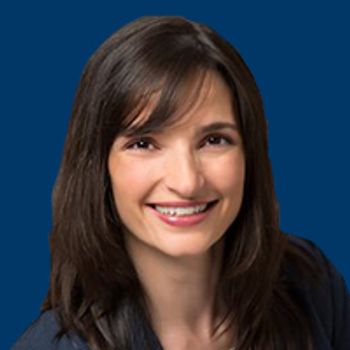
Michelina Cairo, MD, discusses key insights from trials including SONIA and CAPItello-291; how adverse effects inform treatment decisions across the breast cancer spectrum; and where the future is headed for ADCs and oral SERDs in patients with breast cancer.
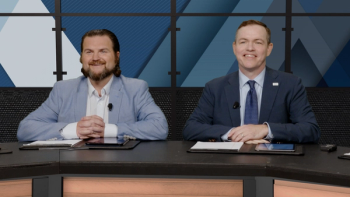
Closing out their discussion on the management of relapsed/refractory diffuse large B-cell lymphoma, expert panelists highlight unmet needs and share excitement for future evolutions in the treatment landscape.

Key opinion leaders reflect on data from the 2023 ASCO meeting and how it may impact the management of diffuse large B-cell lymphoma.
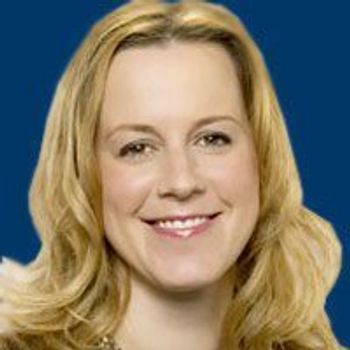
Erika P. Hamilton, MD, discusses the role of trastuzumab deruxtecan in HER2-positive and HER2-low breast cancer; the evolution of CDK4/6 inhibitors in hormone receptor–positive disease; and how genetic testing can match patients with personalized therapies and support further precision medicine research.
Comprehensive insight on the optimal sequencing of novel therapies in patients with relapsed/refractory diffuse large B-cell lymphoma.
Melissa L. Johnson, MD, discusses the development of the seizure-related homolog protein 6–targeting antibody-drug conjugate ABBV-011 and outcomes with this agent in patients with small cell lung cancer.
Shared insight from key opinion leaders in diffuse large B-cell lymphoma on the role of bispecific therapy in the relapsed/refractory space.