The novel allogeneic CAR-engineered natural killer cell therapies, NKX101 and NKX01, showcased early signs of safety and efficacy when utilized in the treatment of heavily pretreated patients with acute myeloid leukemia and non-Hodgkin lymphoma.
The novel allogeneic CAR-engineered natural killer cell therapies, NKX101 and NKX01, showcased early signs of safety and efficacy when utilized in the treatment of heavily pretreated patients with acute myeloid leukemia and non-Hodgkin lymphoma.
David Spigel, MD, discusses potential upcoming developments in targeted therapies for non–small cell lung cancer.
Investigators hope to address the need for additional treatment options for patients with class II or class III BRAF-altered disease with KIN-2787, a next-generation, orally available, potent, and selective small molecule inhibitor.
The survival rate for Americans diagnosed with several of the most common cancers has increased dramatically in the past nearly three decades, thanks in large part to scientific discoveries and treatment advances.
Meredith McKean, MD, MPH, discusses the importance of molecular profiling in melanoma.
Meredith McKean, MD, MPH, discusses how the presence of atypical BRAF mutations affects treatment selection in patients with metastatic melanoma, highlighted the ongoing KN-8701 trial, and explained why developments in this space further solidify the importance of broad molecular profiling.
David Spigel, MD, discussed the focus of each presentation, which centered on immunotherapy vs chemoimmunotherapy in the frontline metastatic setting, the surgical perspective of treatment in early-stage NSCLC, best practices for molecular testing, and EGFR- and KRAS-targeted therapies for patients with advanced disease.
One of the reverberating themes of 2021 that should carry into 2022 is the importance of molecular testing.
The shift away from accepting only positive overall survival (OS) data from phase 3 trials as the pathway toward regulatory approval has been the biggest takeaway from 2021 in lung cancer.
Melissa L. Johnson, MD, discusses new drug approvals for EGFR exon 20 insertion mutation–positive non–small cell lung cancer.
Melissa L. Johnson, MD, discusses the potential utility of TROP2 as a therapeutic target for all-comers with solid tumor malignancies.

Melissa Johnson, MD, discusses highlights from the 2021 ESMO Congress.
Dr. Johnson discusses the mechanism of action of VS-6766 alone and in combination with defactinib, expectations for the ongoing phase 2 RAMP 202 trial in KRAS-mutant non–small cell lung cancer, and where the combination could be used in practice pending further positive study results.

Melissa L. Johnson, MD, discusses the emergence of datopotamab deruxtecan in non–small cell lung cancer with actionable genomic alterations.

Melissa L. Johnson, MD, discusses the promise of DS-7300 in small cell lung cancer and other advanced solid tumors.

Erika P. Hamilton, MD, discusses the utility of CDK4/6 inhibitors in hormone receptor–positive, HER2-negative breast cancer.

Spanning metastatic non–small cell lung cancer, castration-resistant prostate cancer, and HER2-low breast cancer, here are 4 must-know clinical trials in Tennessee that community oncologists can now enroll their patients on.
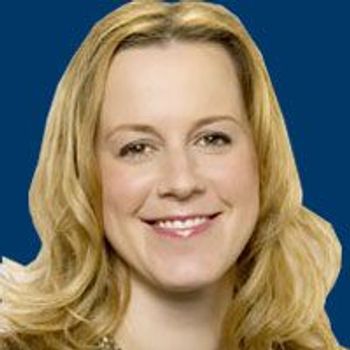
Selective estrogen receptor degraders and antibody-drug conjugates are not only broadening the armamentarium in breast cancer but are demonstrating increasing utility across subtypes and in underserved populations, such as those with HER2-low disease, explained Erika P. Hamilton, MD.
Howard A. “Skip” Burris, III, MD, FASCO, FACP, discusses the integration of sacituzumab govitecan-hziy into the treatment landscape of metastatic triple-negative breast cancer.

Erika P. Hamilton, MD, discusses the potential integration of novel selective estrogen receptor degraders into the treatment armamentarium for ER-positive, HER2-negative breast cancer.
Denise A. Yardley, MD, discusses the efficacy achieved with ribociclib plus letrozole in patients with hormone receptor–positive, HER2-negative advanced breast cancer.
Rovalpituzumab tesirine failed to show an efficacy or safety benefit as a frontline, maintenance, and second-line treatment for patients with advanced small cell lung cancer, warranting its discontinued development.
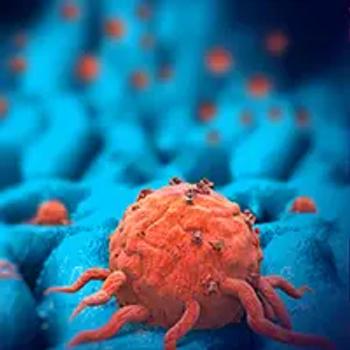
Sarah Cannon recently opened its newest drug development unit in collaboration with Florida Cancer Specialists & Research Institute and The University of Central Florida College of Medicine in Lake Nona, Flordia.
The 2021 ASCO Annual Meeting was chock full of practice-changing, practice-affirming, and exciting preliminary research in non–small cell lung cancer, said Melissa Johnson, MD.

Sarah Cannon announced today that Navneet Majhail, MD, MS, FASTCT has been named Deputy Physician-in-Chief of Blood Cancers for the Sarah Cannon Transplant and Cellular Therapy Network.

Darovasertib, both as a single agent and in combination with binimetinib, has demonstrated promising early activity in patients with metastatic uveal melanoma, according to preliminary data from an ongoing phase 1/2 trial.
Jesus G. Berdeja, MD, director of Myeloma Research, principal investigator, Sarah Cannon Research Institute, discusses the FDA approval of the chimeric antigen receptor (CAR) T-cell therapy in patients with relapsed/refractory multiple myeloma.

Melissa L. Johnson, MD, discusses the implications of recent advances made in the development of oncogenetargeted agents in non–small cell lung cancer.
February 23, 2021 - The first patient in a first-in-human phase 1 study has been dosed with DS-6000, a novel CDH6-directed antibody-drug conjugate.
Andrew Mckenzie, PhD, discusses the differences between tissue- and plasma-based NGS tests, factors that can lead to a lack of concordance, and important areas of ongoing research.