

Nicholas P. McAndrew, MD, MSCE, discusses the implications of the phase 2 PHERGain study of chemotherapy de-escalation in patients with HER2-positive early breast cancer.
Nicholas P. McAndrew, MD, MSCE, discusses the implications of the phase 2 PHERGain study of chemotherapy de-escalation in patients with HER2-positive early breast cancer.

Ritu Salani, MD, discusses the de-escalation of therapy and unmet needs within the landscape of gynecologic oncology.

Ritu Salani, MD, provides an overview of the variety of sessions presented at the 2024 SGO Winter Meeting.

Nicholas P. McAndrew, MD, MSCE, discusses the evolution of the treatment armamentarium for HER2-positive breast cancer, including the HER2CLIMB-02 trial.
Nicholas P. McAndrew, MD, MSCE, discusses the impact of the phase 3 KATHERINE trial in patients with HER2-positive breast cancer.
The expert panel closes its discussion with advice for community physicians and discusses the future treatment landscape for advanced non–small cell lung cancer.
The panel discusses the use of antibody-drug conjugates for patients with EGFR-mutant non–small cell lung cancer, with a focus on the HERTHENA-Lung01 and TROPION-Lung05 studies.
A panel of experts on non–small cell lung cancer provide their thoughts MARIPOSA-2, which studied amivantamab and chemotherapy in EGFR-mutant NSCLC in the second line and beyond.
Joshua K. Sabari, MD, reviews data from the MARIPOSA-2 trial and discusses treatment options in the second line and beyond for patients with EGFR-mutant non–small cell lung cancer.
The panel reacts to the MARIPOSA trial, which looked at amivantamab and lazertinib in the front line in patients with EGFR-mutant non–small cell lung cancer.
Comprehensive insights on FLAURA2, which looked at osimertinib and chemotherapy in the front line for patients with EGFR-mutant NSCLC.
A panel of thoracic medical oncologists discuss the first-line treatment options for patients with EGFR-mutant advanced non–small cell lung cancer.

The use of Orca-T with myeloablative chemotherapy conditioning had comparable safety and efficacy in younger and older patients with hematologic malignancies, according to data from a phase 1b study.
Expert perspectives on the role of clinical biomarkers in selecting appropriate patients for antibody-drug conjugates in non–small cell lung cancer.
Joshua K. Sabari, MD, reviews data from the TROPION-Lung04 study, and the panel offers key takeaways on Dato-DXd and immunotherapy in advanced NSCLC.
Edward B. Garon, MD, MS, reviews data from the EVOKE-02 study, and the panel offers their thoughts on antibody-drug conjugates for the treatment of advanced NSCLC.
The expert panel reviews the results from the TROPION-Lung01 study and discusses how the data can inform treatment decisions for patients with previously treated NSCLC.
Solange Peters, MD, PhD, reviews key data from TROPION-Lung01 investigating datopotamab deruxtecan (Dato-DXd) in patients with previously treated advanced non–small cell lung cancer.
Clinical insights on how the level of PD-L1 expression informs treatment decisions for patients with non–small cell lung cancer.
Experts on non–small cell lung cancer discuss the role of CTLA-4 inhibitors in the NSCLC treatment landscape.
A panel of thoracic medical oncologists provide an overview of first-line treatment strategies for advanced non–small cell lung cancer (NSCLC).
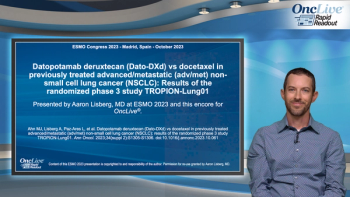
Aaron Lisberg, MD, reviews data from the TROPION-Lung01 study investigating Dato-DXd in previously treated patients with advanced/metastatic NSCLC.
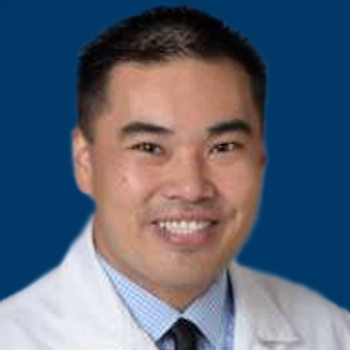
ARX517 displayed preliminary efficacy and a strong safety profile in patients with metastatic castration-resistant prostate cancer, according to findings from the phase 1/2 APEX-01 study.

J. Randolph (Randy) Hecht, MD, discusses barriers to enrollment in the observational BASECAMP-1 study and the phase 1/2 EVEREST-1 study, which will investigate HLA-A*02 as a target for the novel CAR T-cell therapy A2B530 in patients with solid tumors.

J. Randolph (Randy) Hecht, MD, discusses barriers to treatment with CAR T-cell therapy in patients with solid tumors, highlighting various efforts that investigators are spearheading to address these unmet needs.
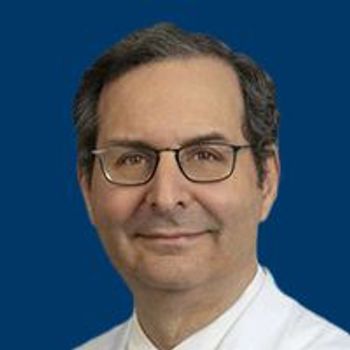
J. Randolph Hecht, MD, discusses the challenges researchers have faced in the development of cellular therapy for patients with solid tumors, and details how A2B530 could potentially overcome some of these obstacles.

Monica D. Mead, MD, discusses the importance of addressing unanswered questions in the treatment of patients with mantle cell lymphoma.

Rena D. Callahan, MD, discusses the range of metastatic imaging techniques available in breast cancer, the benefits of liquid biopsy, and the importance of looking for bone metastases in patients with metastatic breast cancer.
Monica D. Mead, MD, discusses the efficacy and safety differences between the second-generation BTK inhibitor zanubrutinib and the first-generation BTK inhibitor ibrutinib in patients with mantle cell lymphoma.
Monica D. Mead, MD, discusses reasons for the declining use of the BTK inhibitor ibrutinib in patients with mantle cell lymphoma.