
Sara Hurvitz, MD, discusses the coopERA study and how these data, along with findings from other clinical trials, could lead to significant changes in treatment for patients with ER-positive/HER2-negative breast cancer.
Sara Hurvitz, MD, discusses the coopERA study and how these data, along with findings from other clinical trials, could lead to significant changes in treatment for patients with ER-positive/HER2-negative breast cancer.

Jay Moon Lee, MD, discusses the current state of molecular testing in early-stage non–small cell lung cancer.

Tiffany S. Lai, MD, discusses the role of maintenance therapy and secondary cytoreduction in ovarian cancer.

Puja S. Venkat, MD, discusses treatment considerations for patients with ovarian cancer.

Ritu Salani, MD, MBA, discusses the rationale for combinations of immunotherapy and PARP inhibitors in ovarian cancer.

Sara A. Hurvitz, MD, discusses the rationale for the phase 2 coopERA Breast Cancer trial in estrogen receptor–positive, HER2-negative breast cancer.
Updated overall survival data from the phase 3 MONALEESA-3 trial demonstrated a sustained benefit with the addition of ribociclib to fulvestrant in patients with hormone receptor–positive, HER2-negative advanced breast cancer, and provide further evidence that this is a feasible approach for frontline therapy in this population.

Ritu Salani, MD, MBA, discussed the clinical rationale to evaluate combination strategies with immunotherapy in ovarian cancer, as well as novel agents in clinical development that could further influence the treatment paradigm.

Ritu Salani, MD, MBA, discusses the scope of ongoing research in advanced ovarian cancer.
Giredestrant resulted in a greater relative reduction in Ki67 score from baseline to week 2 of a window of opportunity phase vs anastrozole in patients with estrogen receptor–positive, HER2-negative early breast cancer, according to results from an interim analysis of the phase 2 coopERA Breast Cancer trial.

Zev A. Wainberg, MD, discusses the importance of enrolling patients with colorectal cancer to clinical trials, despite the difficulties caused by COVID-19.
Lisberg discusses the excitement with datopotamab deruxtecan in non–small cell lung cancer and previews anticipated data from the NSCLC cohort of the TROPION-PanTumor01 trial at the International Association for the Study of Lung Cancer 2021 World Conference on Lung Cancer.
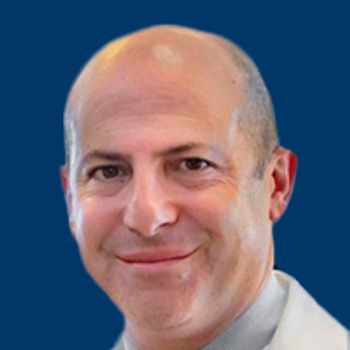
Jaffar A. Ajani, MD, and Zev A. Wainberg, MD, discuss FDA updates regarding the dosing schedule of cetuximab for metastatic colorectal cancer and the value of real-word data on clinical practice patterns in the community when administering this drug.
Dr. Wainberg discusses factors that help steer treatment selection in HER2-positive gastrointestinal malignancies, advances on the horizon, and more.

Siddharth Padia, MD, explaines TheraSphere’s unique mechanism of action and what its approval means in HCC and beyond.
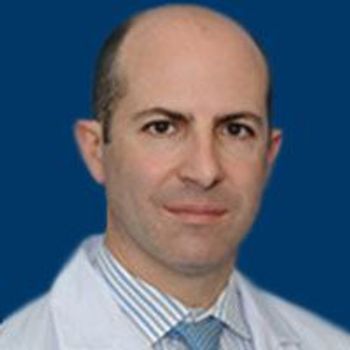
Zev A. Wainberg, MD, discusses the role of neoadjuvant chemotherapy in resectable pancreatic cancer, emerging approaches in locally advanced disease, the promise of PARP inhibitors in the metastatic setting, and other future research directions of interest.
Zev A. Wainberg, MD, discusses optimal dosing with regorafenib in colorectal cancer.
Zev A. Wainberg, MD, discusses the potential role of neoadjuvant chemotherapy in pancreatic cancer.

Richard S. Finn, MD, discusses the data with pembrolizumab and nivolumab that support their utility in hepatocellular carcinoma.

Monica D. Mead, MD, discusses the role of BTK inhibition after venetoclax in relapsed/refractory chronic lymphocytic leukemia.
The introduction of new therapies for patients with recurrent HER2-positive metastatic breast cancer has resulted in a crowded landscape for third-line treatments and beyond, raising questions about how best to sequence a wealth of options.

Monica D. Mead, MD, discusses the utility of venetoclax in combination with rituximab in the second-line setting for patients with chronic lymphocytic leukemia.
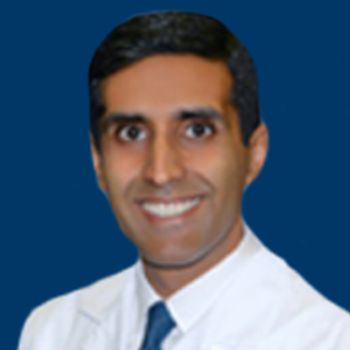
Kanwarpal S. Kahlon, MD, discusses the nuances of approaching treatment in ITP, updated guidelines to inform treatment selection, and recent data presented during the 2020 ASH Annual Meeting and Exposition that have the potential to advance the field.
Zev A. Wainberg, MD, discusses the need to develop chemotherapy-free options in colorectal cancer.

Monica D. Mead, MD, discusses the clinical significance of the phase 3 MURANO trial in chronic lymphocytic leukemia.

Gary J. Schiller, MD, discusses the potential utility of asciminib in chronic myeloid leukemia.
Dennis J. Slamon, MD, PhD, discusses how his passion for medicine stemmed from a high school biology class, the struggle to develop trastuzumab as a viable drug in HER2-positive breast cancer, and the movie about his research that he didn’t want to see made.
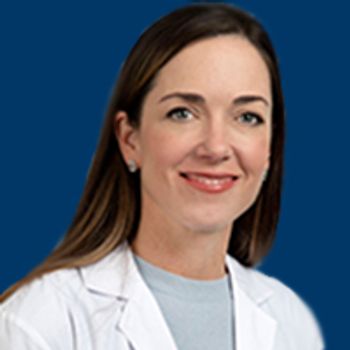
Sara A. Hurvitz, MD, reflects on key pivotal trials and recent regulatory decisions that have propelled progress in metastatic HER2-positive breast cancer.
Zev A. Wainberg, MD, of University of California, Los Angeles, discusses the results of the phase 2 FIGHT trial (NCT03343301) in FGFR2b-positive gastric/gastroesophageal junction (GEJ) cancer.
Bemarituzumab combined with mFOLFOX6 demonstrated a 56% reduction in the risk of disease progression or death compared with placebo and mFOLFOX6 as a frontline treatment in select patients with FGFR2b-positive advanced gastric or gastroesophageal junction adenocarcinoma.