
Three medical oncologists at Florida Cancer Specialists & Research Institute are co-authors on a new integrated safety analysis of umbralisib, used to treat lymphoid malignancies.
Three medical oncologists at Florida Cancer Specialists & Research Institute are co-authors on a new integrated safety analysis of umbralisib, used to treat lymphoid malignancies.
Michael Diaz, MD will assume the role of President & Managing Physician at Florida Cancer Specialists & Research Institute.
Dr. Gordan discusses the advantages of in-house genomic testing, the transition from external to internal sequencing, and the anticipated effects of the move.
Expanded in-house testing capabilities enable faster and more accurate diagnosis, prognosis and treatment planning for a wide variety of cancers.
Senior leaders of Florida Cancer Specialists & Research Institute have been invited to serve on the faculty for the Association for Value-Based Cancer Care 2021 Summit & Educational Program being held in New York, NY on Oct. 13 – 15.
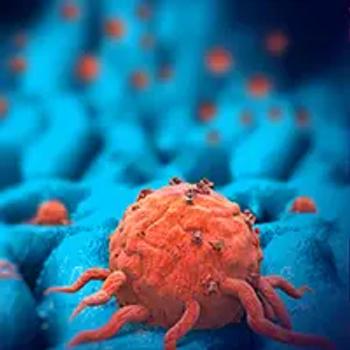
Sarah Cannon recently opened its newest drug development unit in collaboration with Florida Cancer Specialists & Research Institute and The University of Central Florida College of Medicine in Lake Nona, Flordia.
Dr. Dietrich discusses the latest developments with immunotherapy and targeted therapy in stage III non–small cell lung cancer.
Martin Dietrich, MD, PhD, discusses future research directions for the treatment of patients with lung cancer.
Since 2016, Florida Cancer Specialists & Research Institute has been a national leader in the transition of oncology care from a fee-for-service reimbursement structure to fee-for-value.
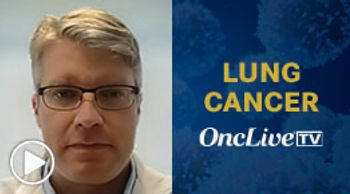
Martin Dietrich, MD, PhD, shares how he navigates the non–small cell lung cancer (NSCLC) treatment landscape.
A survey of more than 6,800 cancer patients conducted this month by Florida Cancer Specialists & Research Institute found that patients overwhelmingly prefer that the FCS physicians, nurses and staff members who provide their care are vaccinated and wear masks to reduce the spread of COVID-19 and provide a safe environment within clinics.
Streamlined processes afforded by in-house genomic testing have the potential to provide clinical, collaborative, and financial benefits.
Following a multiyear trend in which oncology practices merged with hospitals to achieve savings and improved care, it appeared as though the pendulum was going to swing the other way.
With hugely destructive storms now almost routine—3 of the 5 costliest hurricanes on record occurred in 2017—the secret to practice readiness is constant review and analysis.
Abemaciclib (Verzenio) has emerged as a promising agent for patients with hormone receptor-positive, HER2-negative metastatic breast cancer, according to Lowell L. Hart, MD.
Doctors from Intermountain Healthcare decided to see if they could improve outcomes of patients placed on expensive machines.
As CMS moves ahead with payment reforms designed to reduce the total cost of hospital care, the results from a new study show that cancer treatment remains much less expensive at community oncology clinics than at hospitals and that the spending gap between the 2 types of sites may be growing wider.
Texas Oncology and Florida Cancer Specialists & Research Institute knew their ability to recover from hurricanes Harvey and Irma would hinge upon the work they did before either storm arrived.
As the Oncology Care Model practices work to reduce Medicare’s overall spending on those patients and to earn shared savings payments, the data are providing them with an unprecedented full picture of the extent and cost of care.
With the increase of oral medications in oncology, adherence has become a significant issue since patients take the drugs home with them, and whether or not they stick to a regimen is hidden from the provider's view.
Florida is a leader in the consolidation trend, topping the nation in the number of practices that have closed, merged, or been acquired in recent years.
Frontline therapy for patients with ALK-positive non–small cell lung cancer is poised to change in the coming years, as researchers continue to explore agents beyond crizotinib.
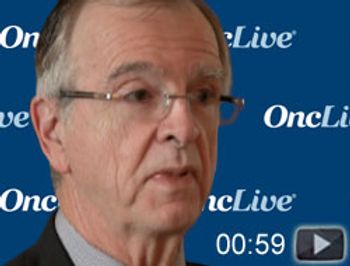
Lowell L. Hart, MD, scientific director of Research at Florida Cancer Specialists & Research Institute, and associate professor of Internal Medicine at Wake Forest School of Medicine, discusses the recent advances in the area of ALK-positive non–small cell lung cancer.
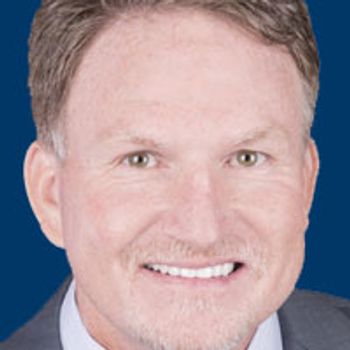
Florida Cancer Specialists & Research Institute has honed its merger strategy into a finely tuned regimen that goes from due diligence to planning to implementation and follow-up, all in a period as short as 120 days.
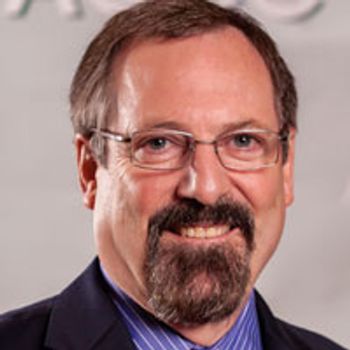
Newer, more stringent USP 800 regulations on cleanrooms are a couple of years off, thanks to a postponement of implementation, but they're still a worry for independent oncology practices, whose in-house pharmacy staff may sit up nights wondering about the stability of their drug revenues.
The array of services and opportunities with which Florida Cancer Specialists & Research Institute provides its physicians, while still allowing them a high degree of autonomy, has proved a powerful draw since the group was founded as a solo practice by William Harwin, MD, in 1984.
One oncology practice in Florida seems to have been able to adapt its practice model, taking advantage of economies of scale, and identifying new revenue streams, while still providing quality care and keeping its oncologists satisfied professionally.