
Opinion|Videos|July 9, 2026
Safety Profile of Cabozantinib
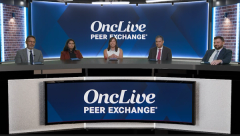
Faculty review the key safety findings from CABINET, emphasizing that no unexpected signals emerged relative to prior experience with cabozantinib in other malignancies.
Advertisement
Episodes in this series
Faculty review the key safety findings from CABINET, emphasizing that no unexpected signals emerged relative to prior experience with cabozantinib in other malignancies. The most common adverse events included fatigue, diarrhea, hand-foot syndrome and rash, and hypertension, consistent with the established class effects of tyrosine kinase inhibitors. The panel also notes electrolyte abnormalities, with hypomagnesemia among the most frequent laboratory findings appearing within weeks of initiation, alongside hypothyroidism and the need for regular blood count monitoring. Speakers draw on cross-tumor experience in hepatocellular, renal, and thyroid cancers, observing that the toxicity profile in neuroendocrine tumors mirrors what clinicians already recognize. The discussion highlights that the median delivered dose in the trial was 40 mg, reflecting real-world tolerability, and faculty welcome having trial data confirming that dose-reduced therapy retains benefit. This evidence reassures clinicians that lower dosing can maintain efficacy while improving tolerability for patients in clinical practice.
Advertisement
Related to this article
Here is your cheat sheet to all therapeutic options that were cleared by the FDA in September 2026 spanning tumor types.

The FDA approved tucatinib plus trastuzumab and pertuzumab as maintenance for advanced HER2-positive breast cancer after induction.
The c-Met–directed ADC was designated for EGFR wild-type nonsquamous NSCLC after platinum chemotherapy and anti–PD-(L)1 therapy.

Dana-Farber’s Xin Gu, PhD, and Nicholas Polizzi, PhD, received NIH New Innovator Awards for high-risk, high-reward research.
The c-Met–directed ADC-based combination was designated for mCRC previously treated with fluoropyrimidine, irinotecan, oxaliplatin, and anti-VEGF therapy.

Pooled data from 3 randomized trials showed ropeginterferon alfa-2b improved responses vs phlebotomy alone but not vs hydroxyurea in polycythemia vera.

Experts break down key multiple myeloma data and trends from the 23rd Annual IMS Meeting.

Firmonertinib did not significantly improve BICR-assessed PFS vs platinum/pemetrexed chemotherapy in first-line EGFR exon 20–mutant NSCLC in FURVENT trial.
Advertisement
Advertisement
Trending on OncLive
1
FDA Approves Tucatinib Plus Trastuzumab/Pertuzumab as First-Line Maintenance in Advanced HER2+ Breast Cancer
2
FDA Grants Breakthrough Therapy Designation to Telisotuzumab Adizutecan Plus Bevacizumab in Refractory mCRC
3
FDA Grants Breakthrough Therapy Designation to Temab-A in Previously Treated c-Met–Expressing Nonsquamous NSCLC
4
Etentamig, Iberdomide, and Long-Term PERSEUS Data Headline Key Myeloma Findings From IMS 2026
5