

Matthew Lunning, DO, discussed other key considerations for choosing treatments, continuous vs fixed-duration therapies, and emerging agents for patients with relapsed/ refractory CLL and SLL.

Senior Editor, OncLive®
Hayley Virgil heads OncLive's feature article efforts and specializes in social issues and equality in oncology. Prior to joining the company in early 2020, she worked as an editor in numerous industries, including media, marketing, hospitality, and computer science, and freelanced in subjects such as history, culture, and the natural sciences.
Matthew Lunning, DO, discussed other key considerations for choosing treatments, continuous vs fixed-duration therapies, and emerging agents for patients with relapsed/ refractory CLL and SLL.
Nishitha M. Reddy, MD, MBBS, discusses the significance of the ECHELON-2 trial in peripheral T-cell lymphoma, the need for novel therapies for those with CD30-negative disease, and the excitement surrounding duvelisib in the relapsed/refractory setting.

November 13, 2020 - ALX148 showcased favorable safety and elicited objective responses when combined with trastuzumab, pembrolizumab, and multiagent chemotherapy regimens in patients with gastric/gastroesophageal junction cancer and head and neck squamous cell carcinoma.
November 13, 2020 - In an effort to expand the benefit of immunotherapy to nonresponders or those who have relapsed, the novel STING agonist SB 11285 is being evaluated as a monotherapy and in combination with atezolizumab in patients with advanced solid tumors in a phase 1/1b dose-escalation trial.

November 12, 2020 - The combination of CMP-001 intratumoral injection and pembrolizumab was found to reverse PD-1 blockade resistance and elicit durable systemic responses in patients with advanced melanoma.
Alan L. Ho, MD, PhD, highlights the great strides that have been made with head and neck cancer, including those with rarer diseases like thyroid cancer and salivary gland cancers, due to a greater understanding of disease biology and genomics.

The coronavirus disease 2019 pandemic has led to delays in elective and potentially curative surgeries for patients with cT1b-cT2b renal cell carcinoma but research has indicated that surgical delays of up to and beyond 3 months did not result in an increased risk of pT3a upstaging or comprise overall survival.
Combination regimens comprised of immunotherapy and TKI inhibitors have yielded significant benefits in terms of overall survival and progression-free survival with acceptable safety in patients with renal cell carcinoma; however, the cost of these regimens may negate the impact of these advances.

Ursula Matulonis, MD, highlights immunotherapy agents have demonstrated moderate clinical activity for patients with gynecologic cancers, however they fail to yield significant response rates in both the newly-diagnosed and recurrent settings.
Douglas B. Johnson, MD, MSCI, discusses his research examining the impact of body composition on outcomes from anti–PD-1 with or without anti–CTLA-4 therapies in melanoma and other biomarkers under exploration.

The investigational small molecule, γ-secretase inhibitor AL101 monotherapy was found to elicit deep responses with a significant disease control rate in patients with recurrent or metastatic adenoid cystic carcinoma harboring NOTCH activating mutations.

Frontline treatment decisions for patients with follicular lymphoma can be guided by a general framework; the choice of therapy is often based on several factors such as indications of therapy, bulk of disease, comorbidities, and toxicity.
Candace Mainor, MD, discusses novel approaches that are generating excitement in metastatic triple-negative breast cancer.
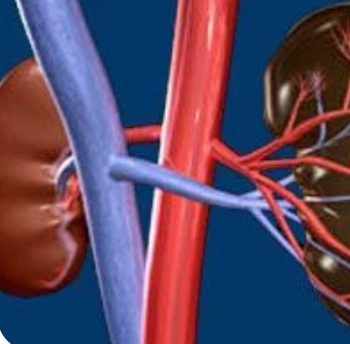
The 2020 Kidney Cancer Research Summit (KidneyCAN) featured several healthcare experts who highlighted the latest clinical developments, critical preclinical efforts, and translational research being performed to move the needle forward in the field of kidney cancer.
Heavily pretreated patients with unresectable recurrent or metastatic head and neck squamous cancer experienced an improvement in survival following treatment with axitinib.

The artificial intelligence–powered platform Clinical Trial Finder, which stemmed from a collaboration between the Colorectal Cancer Alliance and the digital health company TrialJectory, could prove beneficial for younger patients with colorectal cancer and for those who are being treated at community cancer centers.

The PLCOm2012 risk prediction model is a preferable lung cancer screening method for identifying African American ever-smokers over the current United States Preventive Services Task Force lung cancer screening eligibility criteria, which may help to overcome racial disparities.

FIP200 deletion was found to enhance the efficacy of immune checkpoint inhibition in patients with nonresponsive breast cancer.

The first patient has officially been dosed with investigational anti-Dickkopf-1 antibody plus tislelizumab with or without chemotherapy as part of the ongoing phase 2a DisTinGuish study (NCT04363801) in patients with gastric or gastroesophageal junction cancer.
The combination of onvansertib plus with 5-fluorouracil, FOLFIRI, and bevacizumab was shown to have preliminary efficacy with acceptable safety when used as a second-line treatment for patients with KRAS-mutated metastatic colorectal cancer.

Molecular profiling has led to a better understanding of biliary tract cancers by revealing new markers that can be targeted by novel therapies, and several are currently under investigation.
Maha H.A. Hussain, MD, FACP, FASCO, discusses the prognostic associations of depth of PSA responses with MFS in patients with nmCRPC and a rapidly rising PSA who have been treated with enzalutamide and other efforts being made in this disease.
Sanjay V. Patel, MD, FRCOphth, discusses the corneal-associated toxicities that can occur with belantamab mafodotin and the need for multidisciplinary management to optimally administer this agent.

Carlo Visco, MD, discusses the results from the MANTLE-FIRST trial and the next steps for the research.

To address disparities, it is important for institutions to embrace and promote the fostering of an inclusive culture and environment for healthcare professionals of all races and genders, and to adequately equip women specifically with the tools they need to achieve success in the field.

Despite the numerous reports detailing racial differences in cancer outcomes and care over the years, the reasons underlying these disparities continue to be under deep exploration.

The addition of nivolumab to chemotherapy resulted in a statistically significant improvement in progression-free survival and elicited higher overall response rates in patients with previously untreated advanced or recurrent gastric and gastroesophageal junction cancer.

The addition of durvalumab to tremelimumab showed modest activity in patients with advanced neuroendocrine tumors of gastroenteropancreatic and lung origins.
Post-operative radiotherapy was linked with a nonstatistically significant increase in disease-free survival in patients with completely resected stage IIIAN2 non–small cell lung cancer and thus cannot be recommended as a standard of care for this population.
The addition of tamoxifen to abemaciclib resulted in an improvement in overall survival compared with abemaciclib monotherapy in in patients with hormone receptor–positive, HER2-negative metastatic breast cancer, with benefit observed across all patient subgroups.