

Aditi Shastri, MBBS, discusses risk stratification tools, her treatment algorithm for patients with low-risk MDS, and the role of luspatercept in this population.

Senior Editor, OncLive®
Hayley Virgil heads OncLive's feature article efforts and specializes in social issues and equality in oncology. Prior to joining the company in early 2020, she worked as an editor in numerous industries, including media, marketing, hospitality, and computer science, and freelanced in subjects such as history, culture, and the natural sciences.
Aditi Shastri, MBBS, discusses risk stratification tools, her treatment algorithm for patients with low-risk MDS, and the role of luspatercept in this population.

A regimen comprised of a single 300-mg priming dose of tremelimumab and 1500 mg of durvalumab every 4 weeks yielded favorable efficacy and an acceptable safety profile in patients with advanced HCC.

Adagrasib yielded durable responses and broad disease control, in addition to providing extensive predicted coverage throughout the dosing interval, in patients with KRAS G12C–mutant advanced non–small cell lung cancer.
The addition of farletuzumab to carboplatin plus paclitaxel or carboplatin plus pegylated liposomal doxorubicin did not demonstrate superiority over placebo plus chemotherapy in patients with platinum-sensitive recurrent ovarian cancer who are in their first relapse and have low cancer antigen-125 levels.
Circulating tumor DNA is working to transform care in colorectal cancer and beyond and positivity is actionable at this time.

Kira Gritsman, MD, PhD, discusses several novel agents that are under investigation to improve outcomes in poor-prognosis subsets of patients with AML, early data supporting these approaches, and the potential impact of these options on the treatment paradigm.
Although cancer screening rates and ensuing diagnoses dropped significantly during the height of the COVID-19 pandemic, testing rates from June 2020 through September 2020 have nearly returned to pre-pandemic levels.
Ruxolitinib has demonstrated sustained efficacy with a lower probability of progression or additional systemic therapeutics in patients with steroid-refractory acute graft-versus-host disease.
The safety and efficacy of the antibody-drug conjugate camidanlumab tesirine is under investigation in patients with relapsed/refractory Hodgkin lymphoma as part of a phase 2 clinical trial, which recently completed accrual.
Treatment options for patients with metastatic urothelial cancer have rapidly expanded as FDA approvals of immunotherapeutics push the boundaries of a once stagnant treatment landscape. Combination regimens and the addition of targeted approaches, further demonstrate progress in areas that have been tough to crack.

Melissa L. Johnson, MD, discusses the implications of recent advances made in the development of oncogenetargeted agents in non–small cell lung cancer.

Kira Gritsman, MD, PhD, discusses the significance of the VIALE-A trial examining venetoclax plus azacitidine in older patients with AML and the emergence of minimal residual disease as an important end point in clinical trials.
Determining the appropriate sequencing for chemotherapy and radiation in patients with locally advanced rectal cancer is important and may depend on whether the goal of therapy is nonoperative management.

Christopher D'Angelo, MD, discusses emerging CAR T-cell therapies and the challenges with using a 5-drug regimen.
Corey S. Cutler, MD, MPH, FRCPC, discusses the potential clinical implications should belumosudil gain FDA approval in chronic GVHD.
Although there is evidence to suggest that surgery with or without radiation therapy can be utilized in some patients with stage IV breast cancer who have experienced locoregional progression or symptoms to some success with regard to locoregional disease control, most patients will not achieve a survival benefit.
Yelena Y. Janjigian, MD, discussed the promise of nivolumab plus chemotherapy in patients with PD-L1–positive advanced gastric cancer, GEJ cancer, and esophageal adenocarcinoma, as well as important biomarkers that should be used to guide sequencing decisions.
Srdan Verstovsek, MD, PhD, shares recommendation updates for myelofibrosis treatment and emerging options under exploration to effectively manage disease-related symptoms.
Several novel therapeutics such as JAK inhibitors and luspatercept have been developed for the treatment of patients with myelofibrosis and its associated symptoms, paving the way for improved survival rates and new combination strategies over the last decade.

Minimal residual disease has helped to predict relapse in numerous leukemia subtypes, with novel testing methods helping to identify the biomarker at a higher sensitivity than ever before.

Targeted therapies have helped to improve responses in patients with relapsed chronic lymphocytic leukemia regardless of high-risk disease, although optimal sequencing and toxicity management need to be further explored to strengthen the utilization of these options.
Although the research that emerged from the discovery of the HeLa cell line has helped to prevent 4.5 billion global infections and 10.3 million global deaths, the unethical and controversial nature of their discovery has raised issues with regard to privacy and consent in underrepresented patient populations.
Tanios S. Bekaii-Saab, MD, FACP, shares his approach for treating patients with HCC across several lines of therapy, as well as factors to consider when making sequencing decisions.
CD19-targeted CAR T-cell therapies have yielded durable remissions in approximately half of all patients with aggressive relapsed/refractory B-cell lymphomas.
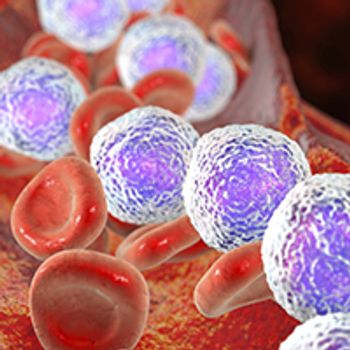
Total body irradiation plus etoposide prior to hematopoietic stem cell transplantation resulted in improved overall survival and a lower risk of relapse in pediatric patients with high-risk acute lymphocytic leukemia compared with chemotherapy conditioning.

Binod Dhakal, MD, discusses the potential impact of ide-cel, orva-cel, and cilta-cel in multiple myeloma therapy.
Jason Zhu, MD, discusses several approaches under exploration in the treatment of patients with previously treated, locally advanced, or metastatic urothelial carcinoma.
Claud N. Grigg, MD, highlights different frontline combination regimens that are improving outcomes for patients with metastatic renal cell carcinoma.

February 19, 2021 - Multitarget stool DNA test Cologuard could present a potential noninvasive screening method for colorectal cancer, as it has demonstrated high specificity among average-risk patients aged 45 to 49 years.
Rafael Fonseca, MD, discusses several clinical trials that support the use of quadruplet regimens in myeloma, the utilization of MRD in clinical decision-making, and future directions for research.