
Although administering trastuzumab for 1 year in patients with HER2-positive early breast cancer continues to be standard, a 9-week de-escalation approach may be a reasonable option in a large proportion of the real-world HER2-positive population.

Senior Editor, OncLive®
Hayley Virgil heads OncLive's feature article efforts and specializes in social issues and equality in oncology. Prior to joining the company in early 2020, she worked as an editor in numerous industries, including media, marketing, hospitality, and computer science, and freelanced in subjects such as history, culture, and the natural sciences.
Although administering trastuzumab for 1 year in patients with HER2-positive early breast cancer continues to be standard, a 9-week de-escalation approach may be a reasonable option in a large proportion of the real-world HER2-positive population.

Ravi Salgia, MD, PhD, discusses pivotal trials that have shaken up the SCLC treatment paradigm and novel immunotherapy regimens under investigation.
Roy Decker, MD, PhD, discusses the utility of interventional radiology and SBRT in patients with oligometastatic disease and detailed ongoing clinical trials for NSCLC as they relate to radiation therapy.

Edward S. Kim, MD, highlights the impact of osimertinib in the treatment of patients with EGFR-mutant non–small cell lung cancer, next steps with the agent, and the importance of early genetic testing to provide personalized care.
The selective estrogen receptor degrader amcenestrant has demonstrated antitumor activity with acceptable safety in patients with estrogen receptor–positive breast cancer.
Michael E. Devitt, MD, further underscored the importance of early genomic testing in patients with urothelial carcinoma, shared advice on factors to consider when choosing among second-line and later options, and highlighted enfortumab vedotin combination regimens that are under exploration.
A higher incidence of somatically acquired genetic alterations, including damaging mutations in ZMYM3 leading to genomic instability, as well as deletions in MAP3K7, BNIP3L, RB1, and NEIL3, and gain of MYC, may lead to more aggressive prostate cancer in Black/African American men.

Current breast cancer screening practices in the Caribbean exclude the majority of the younger patient population, thereby leaving many cases of breast cancer undiagnosed.

Natasha Garg, DO, discusses the impact of antiandrogens in the treatment of patients with nonmetastatic CRPC, shared advice for choosing among the available options, and projected what the future paradigm might look like.

Nilanjan Ghosh MD, PhD, highlights progress made with CAR T-cell therapies in B-cell lymphoma and some ongoing trials generating interest in the field.

The safety and efficacy of nivolumab, both as a single agent and in combination with ipilimumab, is under investigation in patients with early-stage, high-risk renal cell carcinoma following radical or partial nephrectomy in the phase 3 CheckMate-914 trial.
Patients with cancer who have contracted COVID-19 trend towards having high disease severity and mortality, especially among those with select demographic and clinical characteristics, with certain chemotherapy regimens contributing towards a high all-cause mortality.

Derazantinib demonstrated promising disease control when given to patients with inoperable or advanced intrahepatic cholangiocarcinoma and FGFR2 gene fusion.
Jyoti D. Patel, MD, discusses the evolving use of osimertinib in EGFR-mutant NSCLC and emerging targeted agents for patients with EGFR exon 20 insertion mutations.
Yoomi Lee, MD, discusses the safety profile of surufatinib and highlighted future directions for patients with pancreatic and extrapancreatic NETs.

Sophia George, PhD, and Judith E. Hurley, MD, discuss the importance of the genetic association study, challenges faced with launching such an effort, the key findings from the research, and the clinical implications of the data in the Caribbean as well as the United States
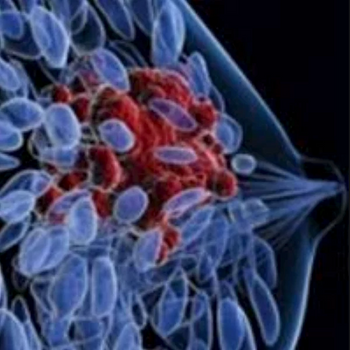
The addition of SDX-7320, a novel inhibitor of methionine aminopeptidase 2, to palbociclib was found to inhibit MCF-7 tumor growth and reduce the expression of proteins associated with resistance to palbociclib.

Sumanta K. Pal, MD, details ongoing research efforts dedicated to providing additional therapeutic options for patients with RCC in the second-line setting and beyond.

Genetic assays such as those utilized in the phase 3 TAILORx, MINDACT, and RxPONDER trials are helping to provide valuable insight to inform treatment decisions in patients with breast cancer.

Plasma-based cell-free DNA appears to be a viable strategy comparable with tissue-based testing for selecting patients with KRAS G12C–mutant non–small cell lung cancer for treatment with sotorasib.

The majority of independently adjudicated interstitial lung disease cases associated with fam-trastuzumab deruxtecan-nxki were low grade and occurred within the first 12 months of treatment, with lower risk of developing the effect observed in patients who were on the drug for longer than 1 year.
Syed Kazmi, MD, highlights the go-to regimens for patients with mCRC.

The addition of ipilimumab to nivolumab as an adjuvant treatment failed to improve relapse-free survival in the intent-to-treat and PD-L1 of less than 1% populations compared with nivolumab alone in patients with resected stage IIIB to D/IV melanoma.
Now that interferon-alpha has been shown to prolong survival in patients with polycythemia vera, it is important that investigative efforts focus on developing a better understanding on the biology of the disease and the mechanisms by which the agent actually improves outcomes.
The coronavirus disease 2019 pandemic had a tremendous impact on the surgical care of patients with breast cancer; practice patterns needed to be rapidly adjusted to continue to safely provide care during a time when resources were very limited.
Ulrich Steidl, MD, PhD, discusses translational research efforts that have been made with targeting leukemia stem cells and ongoing clinical trials that are examining novel therapeutic targets in myeloid malignancies and beyond.

Thomas C. Krivak, MD, discusses the significance of HRD in ovarian cancer, approved and prospective HRD tests, and considerations for genomic testing in this population.
Jonathan L. Kaufman, MD, discusses the significance of subcutaneous D-VCd in the treatment of patients with AL amyloidosis, remaining questions with the approach, and emerging strategies for those with high-risk cardiac features.

Lakshmi Rajdev, MD, discusses some of the key developments made with immunotherapy in GI cancers and the groundbreaking data that have recently read out to support their use.
Ghaith Abu-Zeinah, MD, shares what inspired the study examining IFN vs standard strategies, key findings from the research, and the clinical implications of these data on the PV treatment paradigm.