
The combination of nemvaleukin alpha and pembrolizumab led to encouraging clinical activity in patients with pretreated ovarian cancer who are resistant to platinum-based chemotherapy.

Senior Editor, OncLive®
Hayley Virgil heads OncLive's feature article efforts and specializes in social issues and equality in oncology. Prior to joining the company in early 2020, she worked as an editor in numerous industries, including media, marketing, hospitality, and computer science, and freelanced in subjects such as history, culture, and the natural sciences.
The combination of nemvaleukin alpha and pembrolizumab led to encouraging clinical activity in patients with pretreated ovarian cancer who are resistant to platinum-based chemotherapy.

Intravenous chemotherapy plus bevacizumab did not demonstrate differences in progression-free and overall survival compared with intraperitoneal chemotherapy plus bevacizumab in patients with advanced ovarian cancer with no macroscopic disease.
Second-line sacituzumab govitecan plus pembrolizumab generated promising antitumor activity in patients with checkpoint inhibitor–naïve metastatic urothelial cancer.
After her patients challenged her to finish a triathlon, Julie R. Gralow, MD, made it her mission to help women gain control of their cancer care and their lives.

Transarterial chemoembolization plus lenvatinib led to a significant improvement in overall survival vs lenvatinib alone as frontline therapy in patients with advanced hepatocellular carcinoma, according to findings from the phase 3 LAUNCH trial.

Treatment with lisocabtagene maraleucel demonstrated durable responses in patients with relapsed/refractory large B-cell lymphomas.
Daratumumab plus talquetamab demonstrated a tolerable safety profile and induced responses in more than 75% of patients with relapsed/refractory multiple myeloma across dose levels.
Patients with primary breast cancer who developed secondary uterine cancer following treatment with tamoxifen may have had disease driven by PI3K-pathway activation.
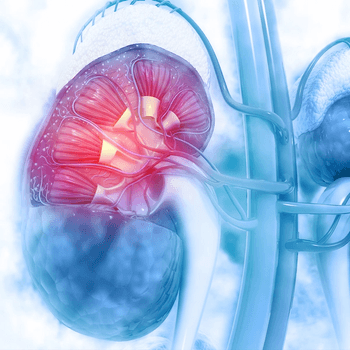
Frontline immunotherapy resulted in improved progression-free survival and overall survival compared with sunitinib in patients with advanced renal cell carcinoma; however, determining the benefit in those with favorable-risk disease must be examined further.
Minimal residual disease–based consolidation therapy comprised of daratumumab, carfilzomib, lenalidomide, and dexamethasone was found to induce quick responses and unprecedented rates of MRD negativity in patients with newly diagnosed multiple myeloma.
An association has been found in Latin American patients with lung adenocarcinoma between Native American ancestry and somatic landscape, including EGFR, KRAS, and STK11 mutations, as well as tumor mutational burden.
Low-dose venetoclax monotherapy demonstrated antitumor activity in patients with heavily pretreated multiple myeloma and light chain amyloidosis harboring t(11;14).
Moffitt Cancer Center is currently working to develop a host of novel therapeutic treatments within the breast cancer space, from immunotherapeutics to personalized cancer vaccines.
Germline variation could play a role in racial disparities related to prostate cancer risk, with individuals of African descent having a higher mean genetic risk score compared with men of European ancestry.
Many checkpoint inhibitors are currently under investigation in combination with concurrent radiotherapy in stage III non–small cell lung cancer, which experts propose could have practice-changing implications.
The method used to calculate how obesity is measured may impact whether it should be considered as a risk factor for non–small cell lung cancer.
The net effect of the Oncotype DX Genomic Prostate Score in patients with favorable-risk prostate cancer was to move away from active surveillance, altering the understanding of how prognostic molecular assays that generate probabilities of poor outcome can impact treatment decisions in diverse populations.
Racial minorities with limited-stage small cell lung cancer, including African American and Asian patients, were found to have more favorable survival outcomes compared with White patients, which suggests that race is associated with survival in this disease.
Surgical resection demonstrated a notable survival benefit, particularly in combination with neoadjuvant therapy, in patients with aggressive margin-positive pancreatic cancer.

Heterogeneity in the cellular and molecular features of CAR T-cell products contributes to variation in efficacy and toxicity follow treatment with axicabtagene ciloleucel in patients with large B-cell lymphoma, and molecular response at day 7 might represent an early predictor of efficacy with this modality.
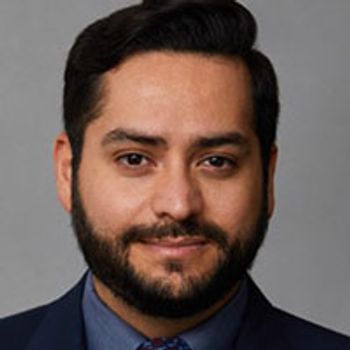
Rodolfo Gutierrez, MD, discusses racial disparities in cancer care and interventions to encourage increased participation of the Hispanic and Latinx community on clinical trials.
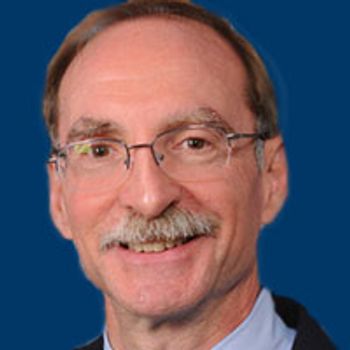
Mark E. Sherman, MD, discusses research efforts evaluating immune responses and risk of TNBC and implications for higher rates of disease among African American women.

The addition of a focal boost to the intraprostatic lesion was found to improve biochemical disease-free survival in patients undergoing treatment with external beam radiotherapy for localized intermediate- and high-risk prostate cancer.
The combination of eprenetapopt and azacitidine demonstrated a promising safety profile as well as encouraging clinical activity in a high-risk population of patients with TP53-mutated myelodysplastic syndrome and acute myeloid leukemia.
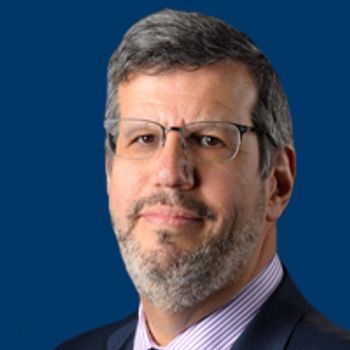
Richard Gorlick, MD, expands on the process of identifying these novel targets in osteosarcoma and the clinical implications of this research for these patients.
Balazs Halmos, MD, MS, discusses a study examining the effectiveness of COVID-19 vaccination in patients with cancer and identified important areas for future research.

Hannah M. Linden, MD, discusses the potential for enobosarm in patients with metastatic breast cancer, data from a phase 2 trial examining its use, and next steps for the agent in the paradigm.
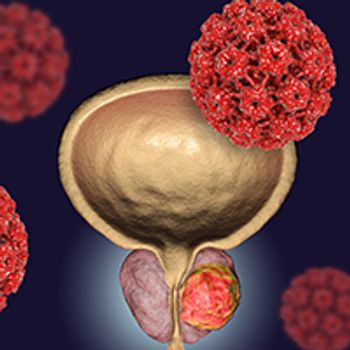
Men with positive pelvic lymph nodes or a prostatectomy Gleason score of 8 to 10 with disease extending beyond the prostate should be considered for treatment with adjuvant radiation therapy.
Ehab Atallah, MD, spotlights recent updates, emerging approaches, and next steps for research in leukemia and lymphoma.
Eric Klein, MD, discusses the promise of VERU-111 in patients with metastatic CRPC and other research efforts that are generating excitement in the paradigm.