

The addition of the PD-L1 inhibitor atezolizumab to bevacizumab and platinum-based chemotherapy did not result in a statistically significant progression-free survival benefit among patients with recurrent epithelial ovarian cancer.

Kyle Doherty joined MJH Life Sciences in 2021 and is the lead editor for Oncology Fellows. He also produces print content for OncologyLive, as well as news and conference updates for OncLive.com. Email: [email protected]
The addition of the PD-L1 inhibitor atezolizumab to bevacizumab and platinum-based chemotherapy did not result in a statistically significant progression-free survival benefit among patients with recurrent epithelial ovarian cancer.

Efforts to widen the treatment armamentarium for patients with mantle cell lymphoma have been thwarted by increased toxicities and resistance mechanisms with effective therapies such as BTK inhibitors.

The addition of perioperative durvalumab to neoadjuvant chemotherapy led to a significant improvement in terms of pathological complete response and event-free survival compared with placebo plus chemotherapy in patients with resectable non–small cell lung cancer.

Patritumab deruxtecan displayed clinically meaningful and durable efficacy in patients with advanced EGFR-mutated non–small cell lung cancer who experienced progression following treatment with an EGFR-directed TKI and platinum-based chemotherapy.

Without a plethora of randomized and historic data to compare treatments, selection and sequencing strategies for patients with relapsed/refractory multiple myeloma must balance a multitude of factors, including adverse effect profiles, disease resistance mechanisms, and more.

Treatment with the PI3Kδ inhibitor parsaclisib led to responses with a manageable safety profile in patients with relapsed/refractory mantle cell lymphoma, according to findings from the phase 2 CITADEL-205 trial.

The addition of the TKI ponatinib to reduced-intensity chemotherapy led to an increase in minimal residual disease-negative complete remission rate at the end of induction compared with imatinib among patients with Philadelphia chromosome-positive acute lymphoblastic leukemia.
Patients with essential thrombocythemia and polycythemia vera who also had arterial hypertension experienced a higher cumulative incidence of thrombotic adverse effects compared with those without hypertension and fewer thrombotic complications following treatment with renin angiotensin system inhibitors.
Treatment with the KRAS G12C inhibitor divarasib (formerly GDC-6036) led to durable responses with a tolerable safety profile in patients with a variety of solid tumors harboring a KRAS G12C mutation.

Mitesh J. Borad, MD, highlights key additional findings from ReFocus and how RLY-4008 differs from currently available FGFR2 inhibitors.

Corey J. Langer, MD, outlines the prevalence of BRAF mutations in NSCLC and looked ahead to where the development pipeline of agents for the treatment of patients with BRAF-mutated NSCLC is headed.
The addition of pembrolizumab to COPDAC-28 consolidation may augment responses to treatment in pediatric and young adult patients with high-risk classical Hodgkin lymphoma who experience a slow early response to frontline chemotherapy.

The safety profile of subcutaneous trastuzumab was consistent with the known profile of intravenous administration of the agent and there were no new concerns related to prolonged exposure in patients with HER2-positive metastatic breast cancer.

Maintenance therapy with the PARP inhibitor niraparib prolonged progression-free survival vs placebo in patients with newly diagnosed advanced ovarian cancer.

Circulating tumor DNA status at the time of postoperative minimal residual disease assessment was found to be a prognostic factor for disease-free survival in patients with radically resected stage II to IV colorectal cancer.
Elias Jabbour, MD, outlines additional findings from PhALLCON and their clinical implications for patients with Philadelphia chromosome-positive ALL
Treatment with erdafitinib resulted in clinical benefit for patients with advanced solid tumors harboring susceptible FGFR alterations who had exhausted all other treatment options, meeting the primary end point of overall response rate of the phase 2 RAGNAR trial.

Patients with mismatch repair–deficient and/or microsatellite instability metastatic colorectal cancer experienced a progression-free survival benefit with longer disease control following treatment with avelumab compared with standard second-line chemotherapy.

The combination of vemurafenib and cobimetinib led to a 94% partial response rate or better in 16 patients with newly diagnosed BRAF-mutated papillary craniopharyngiomas.
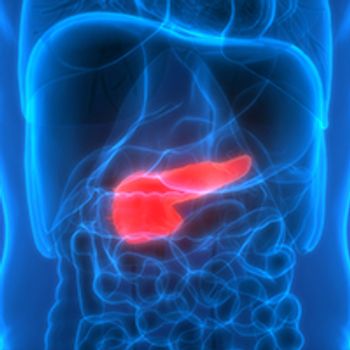
Treatment with the GVAX pancreatic cancer vaccine plus nivolumab and urelumab increased the presence of intratumoral activated cytotoxic T cells and showed early signs of efficacy in patients with resectable pancreatic adenocarcinoma.

Kedar Kirtane, MD, speaks on the unique mechanism of action of A2B530 and how the agent could represent a huge leap forward in the application of CAR T-cell agents for patients with solid tumors if the EVEREST-1 study proves to be positive.

The PD-1 inhibitor pembrolizumab displayed activity with a manageable safety profile in patients with certain rare and ultra-raresarcoma histotypes.
Treatment with intermittent or continuous doses of relacorilant in combination with nab-paclitaxel resulted in an overall survival benefit compared with nab-paclitaxel monotherapy, but failed to demonstrate an improvement in progression-free survival in patients with recurrent, platinum-resistant ovarian cancer.
Pembrolizumab produced sustained antitumor activity in patients with relapsed/refractory primary mediastinal large B-cell lymphoma, according to data from the final analysis of the phase 2 KEYNOTE-170 trial.
The addition of the type 1 FLT3 inhibitor gilteritinib to induction and consolidation chemotherapy, followed by maintenance gilteritinib monotherapy, was safe and tolerable with promising initial efficacy in patients with newly diagnosed acute myeloid leukemia.
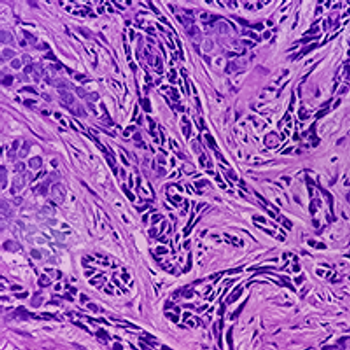
Delays in time to treatment initiation may be associated with demographic and socioeconomic disparities, with care coordination, clinical, and socioeconomic factors representing potential predictors of TTI, according to findings from a retrospective cohort study published in JCO Oncology Practice.
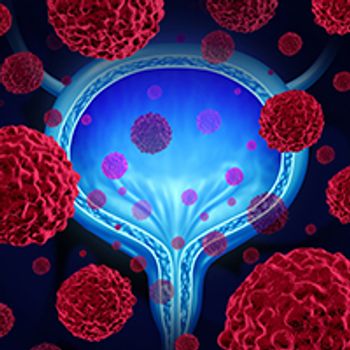
Patients with low-grade upper tract urothelial carcinoma experienced similar rendered disease free rates, regardless of surgery type or tumor volume, following treatment with mitomycin for pyelocalyceal solution.

The implementation of a pharmacist-driven biosimilar substitution program across American Oncology Network institutions resulted in increased uptake of biosimilar agents as well as financial savings for payers, patients, and providers.

Varied levels of compliance were observed in terms of using validated quality indicators to determine the quality of active surveillance for patients with low-risk prostate cancer, according to findings from a population-based study published in the Journal of the Comprehensive Cancer Network.

Locoregional recurrence rates among patients with favorable-risk, node-positive hormone receptor-positive, HER2-negative breast cancer was not significantly reduced by the addition of regional nodal irradiation to these patient’s treatment regimens.