Articles by OncLive Staff
Drs Gottschalk and Krenciute discuss the difficulties of translating successes with CAR T-cell therapy in adults to the pediatric population; ongoing research with investigational products that could reduce T-cell exhaustion, burnout, and the time from bench to bedside; and expectations for the future of cellular therapy in oncology.
Dr Mutale discusses common factors contributing to decreased access to cancer clinical trials, how trial enrollment criteria can affect which groups of patients are underrepresented in these trials, and steps that researchers and clinicians can take to increase diversity in clinical trials and mitigate these disparities.
Drs Kovacic, Shaughnessy, Starnes, and Waltz highlight the differences in work culture from their early careers to now, gender-related challenges that persist in medicine today, and advice to incoming medical professionals.
Dr Horwitz discusses the FDA approval of omidubicel in patients with blood cancers, key efficacy and safety data from the pivotal phase 3 trial, and the benefits omidubicel provides beyond improved neutrophil engraftment.
Dr Haffner explains distinguishing features between basal cell and adenocarcinoma of the prostate, findings from a genomics study of basal cell prostate carcinoma, and the challenges that arise when diagnosing and treating patients with this rare disease.
Dr Ehrhardt discusses how modifiable chronic health conditions may relate to social determinants of health, noting how these factors can potentially lead to late mortality for survivors of childhood cancer.
In today’s episode of ‘How This is Building Me,’ Dr Camidge and Melissa Turner reflect on the bond they share as oncologist and patient, the nuances of Melissa’s transition to hospice care, and the importance of authentically framing her cancer narrative as one where challenges, grief, and gratitude can coexist.
Faculty across 4 institutions discuss their participation in a 4-team initiative launched by Stand Up To Cancer® that focuses on expanding access to cancer care and research.
Dr Kim discusses the evaluation of LP-300 for the treatment of patients with advanced lung adenocarcinoma, the rationale for exploring this agent in combination with chemotherapy, and the ongoing HARMONIC trial investigating the combination of LP-300 plus carboplatin and pemetrexed.
Dr Friedlander discusses the FDA approval of enfortumab vedotin plus pembrolizumab in patients with locally advanced or metastatic urothelial carcinoma, key efficacy and safety data from the EV-103 trial, and the importance of incorporating this regimen into the frontline setting for this population.
Drs Gushchin and Diaz-Montes discuss findings from the HOT trial evaluating health-related quality of life outcomes after cytoreductive surgery and hyperthermic intraperitoneal chemotherapy in patients with primary ovarian cancer.
Dr Desai discusses the aspects of his oncology fellowship experience that have had the greatest influence on his career growth, the role of mentorship throughout his fellowship and transition to a full-time faculty position, and his advice for current and future oncology fellows.
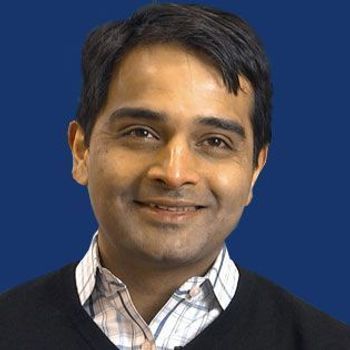
During an OncLive® workshop titled Key Updates in the Management of Acute Myeloid Leukemia and Their Application in Clinical Practice, moderated by Naval Daver, MD, faculty reviewed updates to the classification of acute myeloid leukemia and its effects on the treatment paradigm and provided insight on the management of adverse-risk and secondary acute myeloid leukemia.
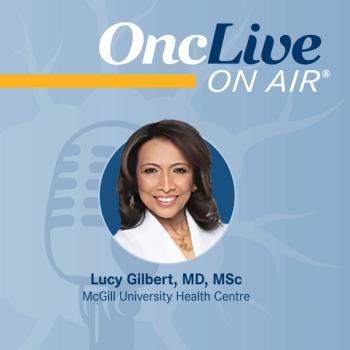
Dr Gilbert discusses the FDA approval of dostarlimab in patients with endometrial cancer, key efficacy data from the GARNET trial, and how this agent bolsters the endometrial cancer treatment paradigm.
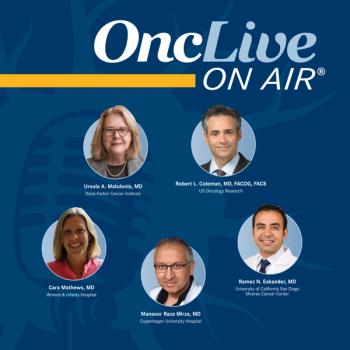
Presenters from the 2023 SGO Annual Meeting share their insights on the treatment of patients with gynecologic cancers.
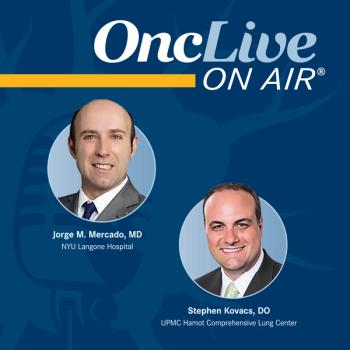
Drs Mercado and Kovacs discuss the importance of multidisciplinary approaches to lung cancer screening and management, barriers to lung cancer screening that affect how early certain patients are diagnosed with this disease, and where the future of lung cancer detection and treatment is headed.
Dr Kishan discusses the use of MRI-guided SBRT in prostate cancer to reduce acute genitourinary and gastrointestinal toxicity; findings from the MIRAGE study; and how MRI-guided SBRT allows for tighter planning margins, thereby reducing both physician-reported and patient-reported bowel and bladder toxicities.
Dr Bidard discusses the FDA approval of elacestrant in patients with estrogen receptor–positive, HER2-negative, ESR1-mutated advanced or metastatic breast cancer, key efficacy and safety data from the EMERALD trial, and the importance of testing for ESR1 mutations in patients with ER-positive, HER2-negative disease.
Faculty from the 40th Annual Miami Breast Cancer Conference® feature updates in the treatment of patients across the breast cancer continuum.
In this episode of ‘How This is Building Me,’ Camidge sits down with Jalal to discuss her transition from life in Jordan to Indianapolis, Indiana, the realities of being a mother in medicine, the importance of transparency in academia, and more.
Dr Tolaney discusses the FDA approval of sacituzumab govitecan in patients with unresectable locally advanced or metastatic HR-positive, HER2-negative breast cancer; key data from the TROPiCS-02 trial; and how this agent can fulfill unmet needs for this patient population.
Dr Raez discusses findings from a study of patients with newly diagnosed non–small cell lung cancer who received both liquid and tissue biopsy, the benefits of liquid biopsy’s relatively short turnaround time, and financial barriers to conducting multiple next-generation sequencing tests per patient.
Drs Milner, Dalal, and Ligon discuss hematopoietic stem cell transplant in children with severe aplastic anemia, graft failure risk factors in children receiving hematopoietic cell transplant for non-malignant disorders, and the use of mediports for CAR T-cell infusion.
Dr Herbst discusses the FDA approval of adjuvant pembrolizumab in non–small cell lung cancer, key efficacy and safety data from the KEYNOTE-091 trial, and future research efforts that may further improve outcomes in this population.
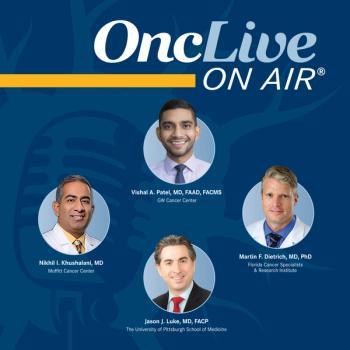
Drs Khushalani, Dietrich, Luke, and Patel discuss the nuances of defining resectability in cutaneous squamous cell carcinoma, the evolving treatment paradigm of resectable disease, and how to translate updated data with cemiplimab into clinical practice.
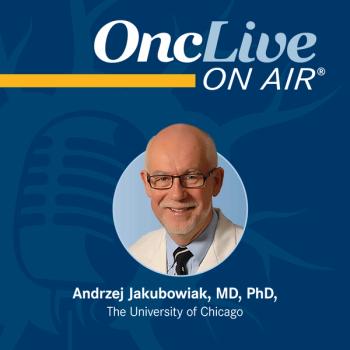
Dr Jakubowiak discusses interim findings from the ATLAS trial of lenalidomide plus carfilzomib and dexamethasone vs lenalidomide maintenance in patients with newly diagnosed multiple myeloma, contextualizes these data within the broader post-transplant landscape, and previews the next steps for this research.
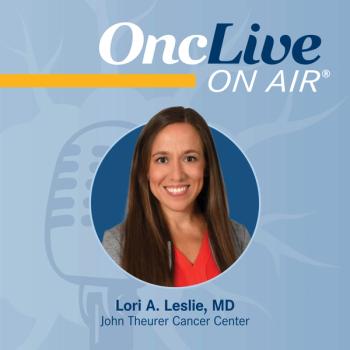
Dr Leslie discusses the FDA approval of pirtobrutinib in patients with MCL previously treated with a BTK inhibitor, key efficacy and safety findings from the BRUIN trial, and potential treatment sequencing strategies in patients with resistance to covalent BTK inhibitors.
As carcinoembryonic antigen–related cell adhesion molecule 5 continues to show promise a target in patients with non–small cell lung cancer, refinements in testing and the understanding of the implications of its inhibition remain under investigation.
Dr Mascarenhas discusses established standards of care and ongoing research with JAK inhibitors in patients with myelofibrosis; the available frontline treatment options in this disease; and the nuances of myelofibrosis treatment sequencing.
In this episode of ‘How This is Building Me,’ Camidge sits down with Bauml to discuss the transition from academia to industry, reasons for the move, expectations for the future, and more.
