
Dr DiNardo discusses the the FDA approval of ivosidenib for patients with relapsed/refractory IDH1-mutant myelodysplastic syndromes, the unique mechanism of action of ivosidenib, and key efficacy and safety findings from the AG120-C-001 trial.
Dr DiNardo discusses the the FDA approval of ivosidenib for patients with relapsed/refractory IDH1-mutant myelodysplastic syndromes, the unique mechanism of action of ivosidenib, and key efficacy and safety findings from the AG120-C-001 trial.
Dr Halmos discusses the ongoing investigation of the potent, selective, and irreversible EGFR inhibitor BDTX-1535 in patients with non–small cell lung cancer.
Dr Feigin discusses findings from a study on the varying effects of the benzodiazepines lorazepam and alprazolam on progression-free survival outcomes for patients with pancreatic cancer.
Dr Khouri discusses unmet needs in AL amyloidosis, the potential for birtamimab to become a new frontline standard of care, and the importance of confirming earlier post-hoc results from the VITAL trial in the AFFIRM-AL trial in patients with Mayo stage IV AL amyloidosis with cardiac involvement.

Dr Weber discusses the FDA approval of adjuvant nivolumab for patients with completely resected stage IIB/C melanoma, key efficacy data from the CheckMate76K trial, and potential future directions for PD-1 inhibitor–based combinations in the melanoma treatment paradigm.
In this episode of How This Is Building Me, Drs Camidge and Garon discuss the differences in lung cancer management and drug advancement between the United States and Asia and highlight other topline takeaways from the 2023 WCLC.
Drs Lunning and Nastoupil discuss the ins and outs of diagnostic workups for patients with follicular lymphoma; how to discern which patients may benefit most from standard chemotherapy vs clinical trial regimens in the frontline setting; and ongoing follicular lymphoma research that may alter the treatment paradigm.
Dr Naumann discusses the role of frontline maintenance therapy for patients with endometrial cancer; which patients are likely to benefit from the RUBY and NRG-GY018 trial regimens; and ongoing research that may elucidate optimal treatments for patients with recurrent, mismatch repair–deficient disease.
Dr Keshava discusses the rationale behind lung nodule programs, common barriers to implementing these programs, and how multidisciplinary collaboration can lead to successful early lung cancer diagnoses.
Dr Hasunuma shares that the objective of mentorship is to foster care, trust, and respect in mentor-mentee relationships and create authentic connections.
Dr Kuykendall discusses the FDA approval of momelotinib in myelofibrosis with anemia, key data from the MOMENTUM trial, and how momelotinib alters the myelofibrosis treatment paradigm.
Although renal cell carcinoma remains a difficult-to-treat disease, with patients with clear cell histology experiencing a median overall survival of approximately 13 months and a 5-year overall survival rate of less than 10%, updated results from clinical trials examining emerging therapeutic strategies have spurred optimism.
Drs Gutierrez and Leslie discuss common barriers that institutions face when implementing CAR T-cell therapy programs, the early success story of outpatient administration of this modality at John Theurer Cancer Center, and future considerations for using this treatment approach in solid tumors.
Oncology experts discuss the platinum chemotherapy shortage in the United States.
Dr Platzbecker discusses the FDA approval of luspatercept in lower-risk myelodysplastic syndrome with anemia; key efficacy and safety data from the COMMANDS trial; and how this approval addresses historically unmet needs for this population.
Dr Richardson discusses the background of mezigdomide, key efficacy and safety findings with the agent plus dexamethasone in patients with relapsed/refractory multiple myeloma, and the implications of this combination for heavily pretreated patients in this population.
Drs Garcia-Manero and Zeidan discuss the significance of efficacy and safety data from the COMMANDS trial in myelodysplastic syndrome, takeaways from the subgroup analyses, and expectations around treatment sequencing in the lower-risk population.
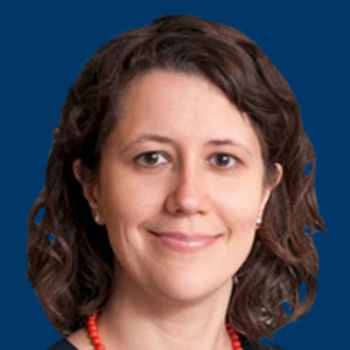
Emerging data in the neoadjuvant setting and the expansion of testing in standard practice have presented questions surrounding screening for and developing strategies from variant information in EGFR-mutated resectable non–small cell lung cancer.
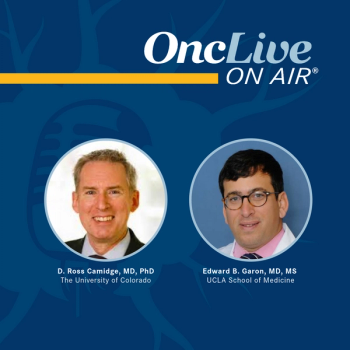
In this episode of How This Is Building Me, Drs Camidge and Garon discuss the importance of continuing to ask a variety of research questions throughout one’s career; the value of negative study results; and the ins and outs of running the lung cancer program and conducting phase 3 clinical trials at UCLA.
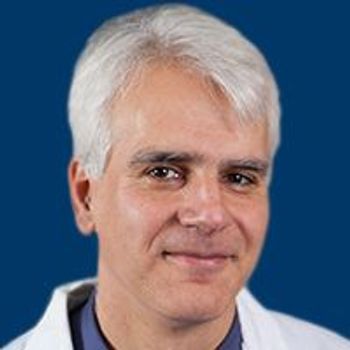
The 18th Annual New York Lung Cancers Symposium, scheduled for November 11, 2023, as a live meeting in New York, New York, boasts an agenda that covers a broad range of modern clinical topics.
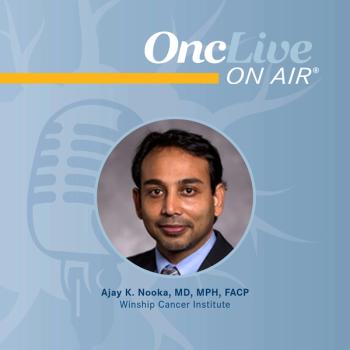
Dr Nooka discusses the FDA approval of elranatamab in relapsed/refractory multiple myeloma, key data from MagnetisMM-3, and the evolving role of bispecific antibodies in the multiple myeloma treatment paradigm.
As oncogene-driven therapies move into clinical practice, it is paramount that clinicians have the tools and understanding to integrate the latest evidence for the appropriate treatment of patients with lung cancer.
Over the past 10 years, data from studies including the TAILORx and RxPONDER studies have reshaped treatment standards for patients with hormone receptor–positive, HER2-negative breast cancer.
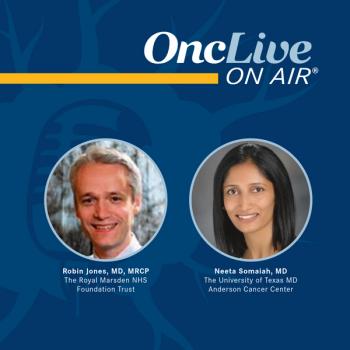
Drs Jones and Somaiah discuss unmet needs in GIST that the Peak trial seeks to answer; the advantages of the methods and design of this trial; and how the tolerable safety profile of bezuclastinib plus sunitinib supports further research with this combination.
The development of novel next-generation hormonal agents is poised to change the landscape for patients with estrogen receptor-positive, HER2-negative breast cancer, offering additional oral solutions to lessen the burden of the invasive delivery of the standard of care and provide agents that are active against acquired variants.
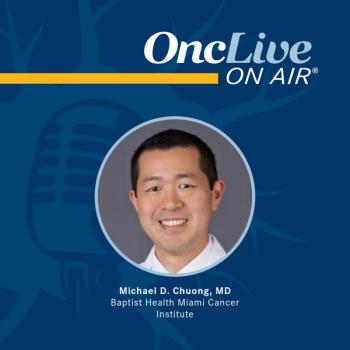
Dr Chuong discusses the evolution of MRI-guided radiation in the cancer treatment armamentarium, the benefits of the MRIdian SMART system, and how Miami Cancer Institute is leading the way with trainings to expand the use of this technology.
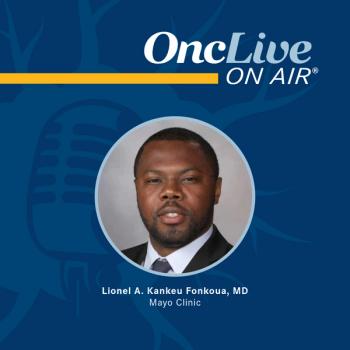
Dr Fonkoua discusses the ways in which common clinical trial enrollment criteria in oncology exclude patients from underrepresented groups, enrollment disparities that uniquely affect patients with liver cancer, and initiatives that Mayo Clinic is participating in to eliminate barriers to clinical trial enrollment.
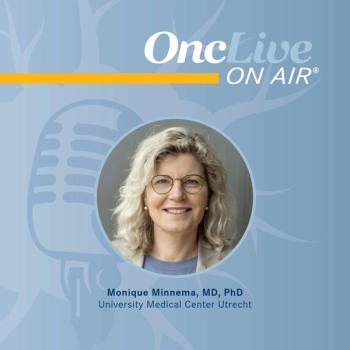
Dr Minnema discusses the FDA approval of talquetamab in patients with relapsed/refractory multiple myeloma, key data from the MonumenTAL-1 trial, and the importance of designing clinical trials to address unmet patient needs.
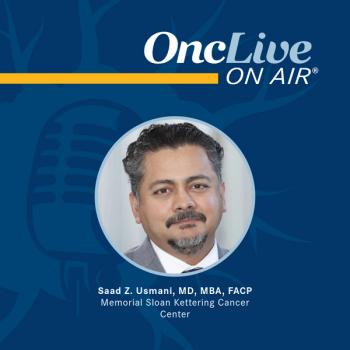
Dr Usmani discusses the integration of elranatamab, talquetamab, and telcistamab into the management of relapsed/refractory multiple myeloma, common adverse effects and recommended supportive care measures, and ongoing research that may help clarify their role in the paradigm.
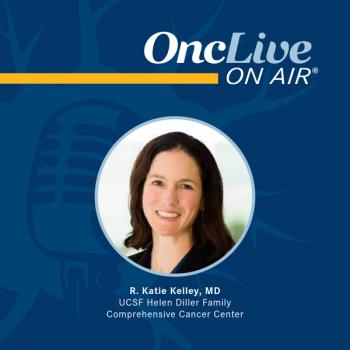
Dr Kelley discusses standard first-line treatment options for patients with advanced HCC, key findings from the phase 3 HIMALAYA trial, and the safety profile of the STRIDE regimen in this population.