

CAR T-cell therapies are now incorporated into National Comprehensive Cancer Network guidelines as a recommended third-line strategy in this setting, with the most recent addition being lisocabtagene maraleucel.
CAR T-cell therapies are now incorporated into National Comprehensive Cancer Network guidelines as a recommended third-line strategy in this setting, with the most recent addition being lisocabtagene maraleucel.
Immunotherapy is now incorporated into National Comprehensive Cancer Network guidelines as maintenance therapy and in a sequencing strategy for the treatment of patients with metastatic urothelial carcinoma and in the setting of superficial UC-carcinoma in situ with prior intravesical therapy.
February 16, 2021 - Itolizumab, a humanized IgG1 monoclonal antibody that modulates the activated leukocyte cell adhesion molecule pathway, represents a promising approach for the treatment of patients with newly diagnosed acute graft-versus-host disease.

February 15, 2021 - Betibeglogene autotemcel, a one-time gene therapy, enabled durable transfusion independence in most patients with transfusion-dependent β-thalassemia who were treated across 4 clinical studies.
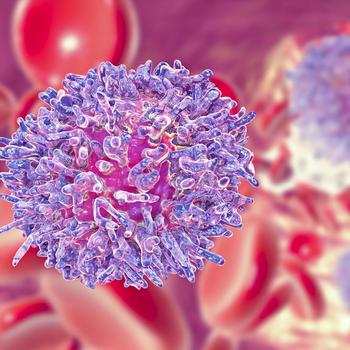
February 9, 2021 - Patients with refractory large B-cell lymphoma have less to gain from axicabtagene ciloleucel if they have never achieved a complete response to any line of prior therapy.
January 19, 2021 - Imetelstat exhibited dose-dependent inhibition of the telomerase target, as evaluated by reductions in telomerase activity, human reverse transcriptase levels, and telomere length, in patients with relapsed/refractory myelofibrosis who were enrolled in the phase 2 IMbark trial.

January 18, 2021 - The phase 2 TAMARIN study exploring the activity of tamoxifen on driver variant allele frequency in patients with stable myeloproliferative neoplasms met its primary end point.
January 15, 2021 - The risk of a second metachronous contralateral germ cell testicular cancer is found to be significantly reduced with each additional cycle of cisplatin-based chemotherapy in patients.

The addition of adjuvant oxaliplatin to fluoropyridine improves overall survival and disease-free survival compared with fluoropyridine alone in patients with stage III colon cancer with microsatellite instability.
A gene expression signature based on tumor cell lineage/state compositions can predict survival in patients with peritoneal carcinomatosis.
January 12, 2021 - Stopping combination treatment with venetoclax, lenalidomide, and rituximab after achieving minimal residual disease negativity in patients with relapsed/refractory mantle cell lymphoma is feasible.
December 22, 2020 - Patients with polycythemia vera who received ropeginterferon alfa-2b had a higher likelihood of being phlebotomy free in the fourth or fifth year of treatment vs those who received best available therapy.
December 22, 2020 - Idasanutlin, an investigational MDM2 antagonist that leads to increased p53 activity, led to hematologic responses in about two-thirds of patients with hydroxyurea-resistant polycythemia vera, but was associated with frequent discontinuation.
December 22, 2020 - Minimum residual disease negativity in the bone marrow and peripheral blood prior to autologous stem cell transplant predicts better progression-free survival and overall survival in younger patients with mantle cell lymphoma.
December 21, 2020 - Interferon-alpha can delay and possibly prevent post-PV myelofibrosis and improve survival in patients with polycythemia vera.

December 18, 2020 - Sequential immunotherapy with rituximab-based therapy and the addition of lenalidomide proved effective among patients with TP53 wild-type mantle cell lymphoma, even among those with a Ki-67 level of at least 30% and/or blastoid morphology.

December 17, 2020 - Lisocabtagene maraleucel exhibited promising antitumor activity with low rates of grade 3 or higher cytokine release syndrome and neurotoxicity in patients with relapsed/refractory mantle cell lymphoma.
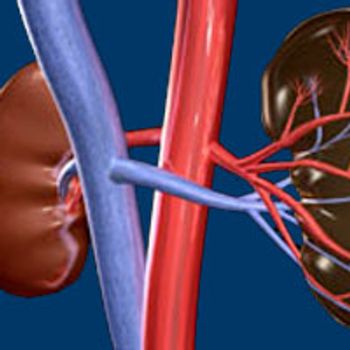
Stereotactic body radiotherapy combined with nivolumab was associated with “high” disease control and overall survival rates in a phase II study of pretreated patients with metastatic renal cell carcinoma; however, the combination did not meet the primary endpoint of overall response rate.

The neoadjuvant regimen of nivolumab combined with gemcitabine and cisplatin achieved a pathologic nonmuscle-invasive rate of 66% and a pathologic complete response rate of 49% in patients with muscle-invasive bladder cancer.

A neoadjuvant regimen of durvalumab plus olaparib induced a pathologic complete response rate of 50% in patients with muscle-invasive bladder carcinoma.

Adding apalutamide to androgen deprivation therapy reduced the risk of second progression or death by 34% compared with ADT alone in patients with metastatic castration-sensitive prostate cancer.
Cabozantinib demonstrated impressive progression free survival when administered post-immunotherapy in patients with metastatic renal cell carcinoma.

Analysis of patient-reported outcomes from the phase III IMbrave 150 study showed meaningful benefits in quality of life, functioning, and key symptoms with atezolizumab plus bevacizumab compared with sorafenib as first-line treatment in patients with unresectable hepatocellular carcinoma.
Encorafenib plus cetuximab with or without binimetinib demonstrated longer maintenance of quality of life on patient-reported assessments over current standard of care in the treatment of patients with BRAF V600E-mutant metastatic colorectal cancer.
Third-line treatment of patients with metastatic colorectal cancer using regorafenib plus oral fluoropyrimidine TAS-102 provides clinically meaningful disease control with toxicities consistent with the safety profiles of either agent, according to data from the phase I dose-escalation trial REMETY presented at the 2020 Gastrointestinal Cancers Symposium.

Ramucirumab as second-line therapy after sorafenib induces improved overall survival compared with placebo, irrespective of Barcelona Clinic Liver Cancer stage, in patients with intermediate-stage hepatocellular carcinoma and an elevated baseline level of alpha fetoprotein.
A regimen of avelumab and cetuximab plus oxaliplatin, leucovorin, and 5-fluorouracil in patients with RAS/BRAF-wildtype metastatic colorectal cancer induced a very high response rate but did not meet its primary progression-free survival end point.

The combination of gemcitabine plus cisplatin with or without veliparib is highly active in patients with pancreatic ductal adenocarcinoma and a germline BRCA/PALB2 mutation.
Patients with unresectable hepatocellular carcinoma who were randomized to first-line lenvatinib (Lenvima), compared with sorafenib (Nexavar), and received subsequent anticancer procedures experienced prolonged overall survival.

The triplet combination of cabozantinib, nivolumab, and ipilimumab induced higher response rates, progression-free survival, and overall survival compared with nivolumab plus cabozantinib in patients with advanced hepatocellular carcinoma.