



Breast Cancer
Latest News


Use of Neoadjuvant Endocrine Therapy Showcases Testing Capabilities in Breast Cancer
By Darcy Lewis
Advertisement
Latest Videos



































































Advertisement
More News
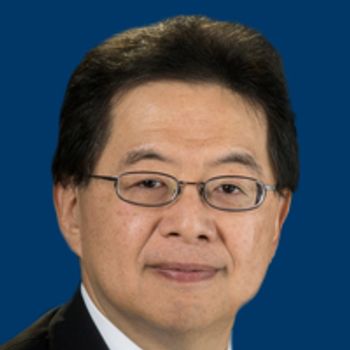
Naoto Tada Ueno, MD, PhD, FACP, discusses the diagnosis and treatment of patients with inflammatory breast cancer and highlights the biggest challenges in both diagnosing and treating this patient population.
Tari King, MD, FACS, chief of Breast Surgery, Dana-Farber Cancer Institute, Brigham Womens Cancer Center, discusses the role of a multidisciplinary team when considering neoadjuvant chemotherapy (NAC) for patients with breast cancer.

Jonathan B. Strauss, MD, MBA, discussed the role of hypofractionated radiotherapy in patients with breast cancer and offered advice on treatment selection.

As more becomes known about the biology of HER2-positive early breast cancer, C. Kent Osborne, MD, says that a multipronged strategy is the best approach regarding de-escalating chemotherapy in this patient population.
Patricia Ganz, MD, discusses the symptoms related to estrogen hormones that can cause more implications for women with breast cancer, including menopausal symptoms such as hot flashes, vaginal dryness, trouble sleeping, and fatigue.
Kimberly Van Zee, MD, discusses the importance of preventing invasive recurrence in patients with breast cancer at the 21st Annual Lynn Sage Breast Cancer Symposium.
We traveled to Milwaukee, Wisconsin, for a State of the Science Summit™ on Breast Cancer, which featured insights from key thought leaders at Carbone Cancer Center of the University of Wisconsin.

Faculty from Duke Cancer Institute provide insight into the exciting breast cancer research being conducted at their institution.

A population of predominantly Chinese women with advanced hormone receptor–positive/HER2-negative breast cancer obtained significant benefits from treatment with the CDK4/6 inhibitor abemaciclib and endocrine therapy.
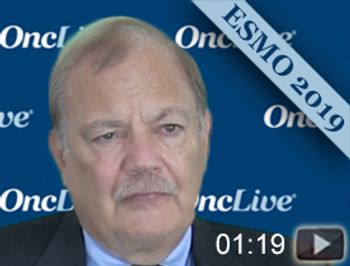
Dennis J. Slamon, MD, PhD, director, Clinical/Translational Research, Revlon/University of California, Los Angeles (UCLA) Women's Cancer Research Program, Jonsson Comprehensive Cancer Center, UCLA, discusses the overall survival results of the phase III MONALEESA-3 trial in hormone receptor-positive, HER2-negative breast cancer.

An exploratory biomarker substudy of Impassion130 demonstrated clinical activity of atezolizumab (Tecentriq) and nab-paclitaxel (Abraxane) in a subgroup of patients with triple-negative breast cancer who had immune cell PD-L1 expression by the SP142 immunohistochemistry assay, regardless of the site of the tumor sample.

The addition of the CDK4/6 inhibitor abemaciclib (Verzenio) to fulvestrant (Faslodex) led to a median 9.4-month overall survival benefit compared with fulvestrant with placebo in patients with hormone receptor–positive, HER2-negative advanced breast cancer who progressed on prior endocrine therapy.
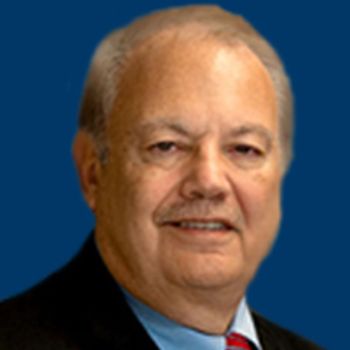
The combination of ribociclib and fulvestrant led to an approximate 28% reduction in the risk of death compared with placebo and fulvestrant in postmenopausal patients with hormone receptor–positive, HER2-negative advanced breast cancer.

Neoadjuvant treatment with the combination of pembrolizumab and chemotherapy extended pathological complete response rates by 13.6 percentage points compared with chemotherapy alone for patients with early triple-negative breast cancer.

The investigational CDK4/6 inhibitor trilaciclib unexpectedly improved survival in metastatic triple-negative breast cancer despite failing to meet a safety-related primary endpoint.



Advertisement
Advertisement
Trending on OncLive
1
FDA Approves Tucatinib Plus Trastuzumab/Pertuzumab as First-Line Maintenance in Advanced HER2+ Breast Cancer
2
GI Cancer Monthly Rewind: Key News and Expert Insights You May Have Missed in September 2026
3
FDA Grants Breakthrough Device Designation to Natera’s Multi-Cancer Early Detection Assay
4
Five Under 5: Top Oncology Videos for the Week of 10/5/2026
5