






Breast Cancer
Latest News
Advertisement
Latest Videos




































































Advertisement
More News
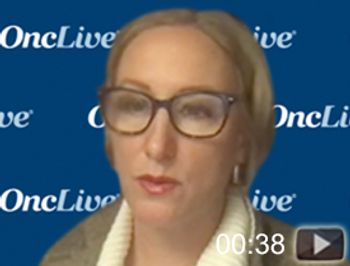
Debra Patt, MD, PhD, MBA, breast medical oncologist, vice president of Texas Oncology, highlights the role of sacituzumab govitecan-hziy in triple-negative breast cancer.

Cynthia X. Ma, MD, PhD, discusses several research efforts examining mechanisms of resistance to CDK4/6 and PI3K inhibitors in breast cancer and some of the novel combinations that may possess the potential to overcome this challenge.

Lan G. Coffman, MD, PhD, discusses the role of genetic testing in breast and gynecologic cancers and the many advances made with targeted therapies.
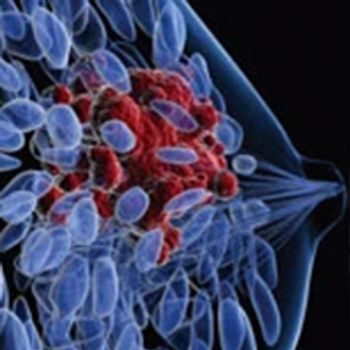
December 2, 2020 - Four pivotal trials––KATHERINE, FeDeriCa, DESTINY-Breast01, and HER2CLIMB have not only amplified the armamentarium in HER2-positive breast cancer, but have illustrated the importance of neoadjuvant therapy, alternative administration methods, high-potency HER2-targeted therapy, and inclusion of all-comers with brain metastases in clinical trials.

The availability of targeted therapy, antibody-drug conjugates, and immunotherapy necessitates greater discussions regarding second-line treatment for patients with metastatic hormone receptor–positive, HER2-negative breast cancer, third-line treatment for patients with metastatic HER2-positive breast cancer, and neoadjuvant therapy for patients with locally advanced triple-negative breast cancer.

Breast cancer specialists discuss noteworthy data on efficacy and safety about fam-trastuzumab deruxtecan-nxki, neratinib, and tucatinib.

Mateusz Opyrchal, MD, PhD, discusses the current state of biomarkers in triple-negative breast cancer.

Nusayba Bagegni, MD, discusses prominent data that have emerged in early-stage and metastatic HER2-positive breast cancer.

November 24, 2020 - Until now, the field of cell-based immunotherapy has been dominated by chimeric antigen receptor (CAR) T cells, with groundbreaking FDA approvals for 3 drugs across several types of hematologic malignancies. In solid tumors, however, CAR T-cell therapies have yet to gain ground.

November 23, 2020 — Katherine K. Clifton, MD, discusses the utility of CDK4/6 inhibitors as frontline treatment for patients with HR-positive/HER2-negative breast cancer, the growing role of PI3K inhibitors in this space, and potential future research directions with these treatments.

November 24, 2020 — Amcenestrant, a new oral form of endocrine therapy that has shown early signs of efficacy, is being evaluated against the current standards of care in patients with estrogen receptor–positive, HER2-negative locally advanced or metastatic breast cancer.

The combination of atezolizumab and nab-paclitaxel led to a clinically meaningful overall survival benefit in treatment-naïve patients with locally advanced or metastatic triple-negative breast cancer who had PD-L1 expressing tumor-infiltrating immune cells.

November 20, 2020 - Patients from Asian countries with hormone receptor–positive, HER2-negative breast cancer may have a higher risk of disease recurrence than those from non-Asian countries, suggesting that this population may benefit from additional adjuvant treatment with abemaciclib.

Hiroji Iwata, MD, PhD, vice director and chief of Breast Oncology at Aichi Cancer Center Hospital, discusses final overall survival results from the phase 3 IMpassion130 trial in triple-negative breast cancer.
November 16, 2020 — The FDA has approved the PD-L1 IHC 22C3 pharmDx to aid in the identification of patients with triple-negative breast cancer who are eligible to receive the PD-1 inhibitor pembrolizumab.
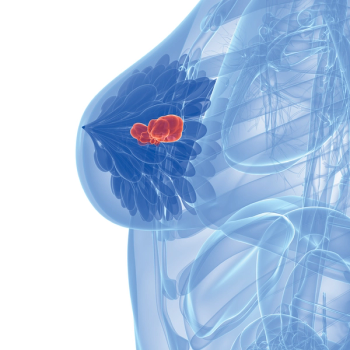
November 15, 2020 - The European Medicines Agency’s Committee for Medicinal Products for Human Use has adopted a positive opinion for the fixed-dose combination of pertuzumab plus trastuzumab with hyaluronidase-zzxf for administration via subcutaneous injection in combination with intravenous chemotherapy in the treatment of patients with early and metastatic HER2-positive breast cancer
November 13, 2020 - The FDA has granted an accelerated approval to pembrolizumab for use in combination with chemotherapy in the treatment of patients with locally recurrent unresectable or metastatic triple-negative breast cancer whose tumors express PD-L1 as determined by an FDA-approved test.
November 12, 2020 — Pembrolizumab led to a 38% central nervous system response rate and was well tolerated in patients with leptomeningeal metastasis from solid tumors. However, the study was closed early due to poor accrual.

Ian E. Krop, MD, PhD, discusses the role of neratinib as extended adjuvant therapy in high-risk, hormone receptor–positive, HER2-positive breast cancer.
In our exclusive interview, Debu Tripathy, MD, considers the biological and long-term outcome variability of HR-positive, HER2-negative breast cancer and details the research that is being done to develop personalized treatment approaches.

Komal Jhaveri, MD, FACP, discusses the importance of outlining the first-line treatment course for patients with HER2-positive breast cancer.

Patients with advanced hormone receptor–positive, HER2-negative breast cancer still face acquired resistance, even with the most effective agents, namely CDK4/6 inhibitors, which have demonstrated unprecedented overall survival benefit in the metastatic setting.

Candace Mainor, MD, discusses novel approaches that are generating excitement in metastatic triple-negative breast cancer.

Julie M. Collins, MD, MPH, highlights key updates with targeted agents such as CDK4/6 and PI3K inhibitors in the treatment of patients with hormone receptor–positive breast cancer.

Kari B. Wisinski, MD, discusses the evolving roles of immunotherapy, ADCs, and PARP inhibitors in triple negative breast cancer.
Advertisement
Advertisement
Trending on OncLive
1
Five Under 5: Top Oncology Videos for the Week of 10/5/2026
2
Guardant360 CDx Receives European Approval as Companion Diagnostic for Camizestrant in ESR1-Mutated Advanced Breast Cancer
3
GI Cancer Monthly Rewind: Key News and Expert Insights You May Have Missed in September 2026
4
The OncFive: Top Oncology Articles for the Week of 10/4/2026
5