




Breast Cancer
Latest News
Advertisement
Latest Videos






































































Advertisement
More News

Claudine Isaacs, MD, discusses the rapidly evolving HER2-positive breast cancer armamentarium.
Future Directions for Treatment of TNBC
ByJoyce O'Shaughnessy, MD, Baylor-Sammons Cancer Center,Adam M. Brufsky, MD, University of Pittsburgh Cancer Institute,Sarah A. Hurvitz, MD, UCLA Jonsson Comprehensive Cancer Center,Kevin M. Kalinsky, MD, Columbia University Medical Center,Sara M. Tolaney, MD, MPH, Dana-Farber Cancer Institute, Harvard University
Phase 3 ASCENT Trial in mTNBC: Managing Adverse Events
ByJoyce O'Shaughnessy, MD, Baylor-Sammons Cancer Center,Adam M. Brufsky, MD, University of Pittsburgh Cancer Institute,Sarah A. Hurvitz, MD, UCLA Jonsson Comprehensive Cancer Center,Kevin M. Kalinsky, MD, Columbia University Medical Center,Sara M. Tolaney, MD, MPH, Dana-Farber Cancer Institute, Harvard University
Phase 3 ASCENT Trial in mTNBC
ByJoyce O'Shaughnessy, MD, Baylor-Sammons Cancer Center,Adam M. Brufsky, MD, University of Pittsburgh Cancer Institute,Sarah A. Hurvitz, MD, UCLA Jonsson Comprehensive Cancer Center,Kevin M. Kalinsky, MD, Columbia University Medical Center,Sara M. Tolaney, MD, MPH, Dana-Farber Cancer Institute, Harvard University
Sequencing Therapies for mTNBC
ByJoyce O'Shaughnessy, MD, Baylor-Sammons Cancer Center,Adam M. Brufsky, MD, University of Pittsburgh Cancer Institute,Sarah A. Hurvitz, MD, UCLA Jonsson Comprehensive Cancer Center,Kevin M. Kalinsky, MD, Columbia University Medical Center,Sara M. Tolaney, MD, MPH, Dana-Farber Cancer Institute, Harvard University
Standard of Care for BRCA+ mTNBC
ByJoyce O'Shaughnessy, MD, Baylor-Sammons Cancer Center,Adam M. Brufsky, MD, University of Pittsburgh Cancer Institute,Sarah A. Hurvitz, MD, UCLA Jonsson Comprehensive Cancer Center,Kevin M. Kalinsky, MD, Columbia University Medical Center,Sara M. Tolaney, MD, MPH, Dana-Farber Cancer Institute, Harvard University
Testing for PD-L1 Expression in mTNBC
ByJoyce O'Shaughnessy, MD, Baylor-Sammons Cancer Center,Adam M. Brufsky, MD, University of Pittsburgh Cancer Institute,Sarah A. Hurvitz, MD, UCLA Jonsson Comprehensive Cancer Center,Kevin M. Kalinsky, MD, Columbia University Medical Center,Sara M. Tolaney, MD, MPH, Dana-Farber Cancer Institute, Harvard University
KEYNOTE-355 Trial in mTNBC
ByJoyce O'Shaughnessy, MD, Baylor-Sammons Cancer Center,Adam M. Brufsky, MD, University of Pittsburgh Cancer Institute,Sarah A. Hurvitz, MD, UCLA Jonsson Comprehensive Cancer Center,Kevin M. Kalinsky, MD, Columbia University Medical Center,Sara M. Tolaney, MD, MPH, Dana-Farber Cancer Institute, Harvard University
Standard of Care for Metastatic TNBC
ByJoyce O'Shaughnessy, MD, Baylor-Sammons Cancer Center,Adam M. Brufsky, MD, University of Pittsburgh Cancer Institute,Sarah A. Hurvitz, MD, UCLA Jonsson Comprehensive Cancer Center,Kevin M. Kalinsky, MD, Columbia University Medical Center,Sara M. Tolaney, MD, MPH, Dana-Farber Cancer Institute, Harvard University
Current Trials for Treatment of Early Stage TNBC
ByJoyce O'Shaughnessy, MD, Baylor-Sammons Cancer Center,Adam M. Brufsky, MD, University of Pittsburgh Cancer Institute,Sarah A. Hurvitz, MD, UCLA Jonsson Comprehensive Cancer Center,Kevin M. Kalinsky, MD, Columbia University Medical Center,Sara M. Tolaney, MD, MPH, Dana-Farber Cancer Institute, Harvard University
Emerging Data on Biomarkers in ES TNBC
ByJoyce O'Shaughnessy, MD, Baylor-Sammons Cancer Center,Adam M. Brufsky, MD, University of Pittsburgh Cancer Institute,Sarah A. Hurvitz, MD, UCLA Jonsson Comprehensive Cancer Center,Kevin M. Kalinsky, MD, Columbia University Medical Center,Sara M. Tolaney, MD, MPH, Dana-Farber Cancer Institute, Harvard University
ICI-Based Therapy in TNBC: Immune-Related Adverse Events
ByJoyce O'Shaughnessy, MD, Baylor-Sammons Cancer Center,Adam M. Brufsky, MD, University of Pittsburgh Cancer Institute,Sarah A. Hurvitz, MD, UCLA Jonsson Comprehensive Cancer Center,Kevin M. Kalinsky, MD, Columbia University Medical Center,Sara M. Tolaney, MD, MPH, Dana-Farber Cancer Institute, Harvard University
Role of Immune Checkpoint Inhibitor-Based Therapy in ES TNBC
ByJoyce O'Shaughnessy, MD, Baylor-Sammons Cancer Center,Adam M. Brufsky, MD, University of Pittsburgh Cancer Institute,Sarah A. Hurvitz, MD, UCLA Jonsson Comprehensive Cancer Center,Kevin M. Kalinsky, MD, Columbia University Medical Center,Sara M. Tolaney, MD, MPH, Dana-Farber Cancer Institute, Harvard University
Early Stage TNBC: Phase 3 IMpassion031 Study
ByJoyce O'Shaughnessy, MD, Baylor-Sammons Cancer Center,Adam M. Brufsky, MD, University of Pittsburgh Cancer Institute,Sarah A. Hurvitz, MD, UCLA Jonsson Comprehensive Cancer Center,Kevin M. Kalinsky, MD, Columbia University Medical Center,Sara M. Tolaney, MD, MPH, Dana-Farber Cancer Institute, Harvard University
Key Trials in ICI-Based Therapy for Early Stage TNBC
ByJoyce O'Shaughnessy, MD, Baylor-Sammons Cancer Center,Adam M. Brufsky, MD, University of Pittsburgh Cancer Institute,Sarah A. Hurvitz, MD, UCLA Jonsson Comprehensive Cancer Center,Kevin M. Kalinsky, MD, Columbia University Medical Center,Sara M. Tolaney, MD, MPH, Dana-Farber Cancer Institute, Harvard University
Role of pCR in Early Stage TNBC Management
ByJoyce O'Shaughnessy, MD, Baylor-Sammons Cancer Center,Adam M. Brufsky, MD, University of Pittsburgh Cancer Institute,Sarah A. Hurvitz, MD, UCLA Jonsson Comprehensive Cancer Center,Kevin M. Kalinsky, MD, Columbia University Medical Center,Sara M. Tolaney, MD, MPH, Dana-Farber Cancer Institute, Harvard University
Standard of Care for Early-Stage TNBC
ByJoyce O'Shaughnessy, MD, Baylor-Sammons Cancer Center,Adam M. Brufsky, MD, University of Pittsburgh Cancer Institute,Sarah A. Hurvitz, MD, UCLA Jonsson Comprehensive Cancer Center,Kevin M. Kalinsky, MD, Columbia University Medical Center,Sara M. Tolaney, MD, MPH, Dana-Farber Cancer Institute, Harvard University

Sara M. Tolaney, MD, MPH, discusses the potential role of fam-trastuzumab deruxtecan-nxki in patients with HER2-positive breast cancer and brain metastases.

In an interview with OncLive Ruth O’Regan, MD, discusses the challenges faced with personalizing treatment in early-stage HER2-positive breast cancer

New approaches for treating patients with HER2-positive metastatic breast cancer are showing signs of efficacy against brain metastases, generating excitement about the potential to make critical advances and sparking questions about optimal sequencing.

Zarnie Lwin, MBBS, FRACP, discusses the design of the phase 2 LEAP-005 trial in previously treated patients with advanced solid tumors.

Elisavet Paplomata, MD, discusses the role of tucatinib in combination with trastuzumab and capecitabine in HER2-positive metastatic breast cancer.
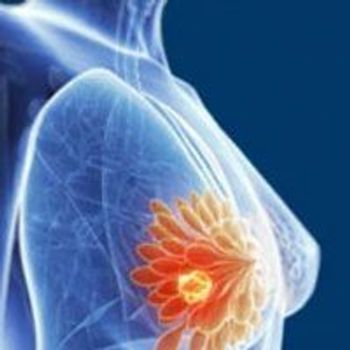
FIP200 deletion was found to enhance the efficacy of immune checkpoint inhibition in patients with nonresponsive breast cancer.
Ruth O’Regan, MD, discusses the role of therapy escalation in HER2-positive breast cancer.

Sara M. Tolaney, MD, MPH, discusses the challenges in treating patients with heterogenous HER2 expression and what treatments could potentially improve outcomes for this subgroup.
Advertisement
Advertisement
Trending on OncLive
1
Five Under 5: Top Oncology Videos for the Week of 10/5/2026
2
Guardant360 CDx Receives European Approval as Companion Diagnostic for Camizestrant in ESR1-Mutated Advanced Breast Cancer
3
GI Cancer Monthly Rewind: Key News and Expert Insights You May Have Missed in September 2026
4
The OncFive: Top Oncology Articles for the Week of 10/4/2026
5