


Oncology Business Management
Latest News

Advertisement
Latest Videos


































































Advertisement
More News

The growth and aging of the population combined with advances in the early detection and treatment of cancer have resulted in a growing population of survivors across the nation, according to a study from the American Cancer Society and the National Cancer Institute.

A strong unmet need for survivorship care plans exists in the cancer treatment community and better follow-up is required for patients who have moved on from treatment and are experiencing its aftereffects.

Until now, radiation oncology (RO) has remained largely untouched by the valuebased initiatives of the Centers for Medicare and Medicaid Services. The federal agency aims to change that with a proposed RO Model of care that would promote site-neutral payment and take away incentives for volume-based billing.
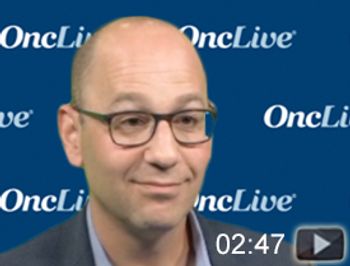
Andrew Norden, MD, MPH, MBA, chief medical officer, Cota, discusses differences between mCODE and Cota’s CNA Network.

For clinical science, particularly oncology, there has never been a more exciting era than today.

From 2016 to 2018, there was an 8% increase in the number of community oncology practices consolidated into hospital systems, and this trend has many independent practices struggling to avoid the same fate. Two winning strategies are emerging to help practices remain independent.
Today, with the routine performance of single gene or germline panel testing, as well as a critical focus on prospective follow-up of individuals with incompletely understood germline variants, clinicians are developing an increasingly robust appreciation for the influence of an individual’s genetic background on the likelihood of developing specific malignancies or a group of malignant conditions.

OncLive interviewed experts at the State of the Science Summits in June 2019 on research being conducted at their respective institutions.

Growing awareness is prompting a revolution in vigilance and attention to detail that has significance both for the quality of care and financial health of practices.
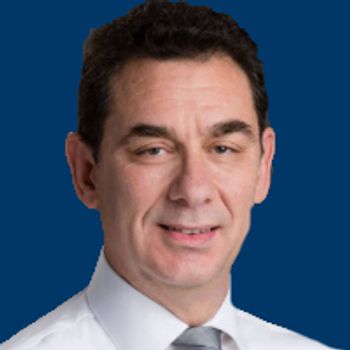
Pfizer Inc. has entered into a definitive merger agreement with Array BioPharma, in which Pfizer will acquire Array BioPharma for $48 per share in cash, leading to a total enterprise value of an estimated $11.4 billion.
It may be difficult for many who have not lived through an outbreak to appreciate how critical it is to never permit the disease to reappear.

Henry T. Lynch, MD, the Charles F. and Mary C. Heider Endowed Chair in Cancer Research at Creighton University and a 2019 Giants of Cancer Care® award winner known by many as the “father of cancer genetics,” died June 2 at the age of 91.






Within the week, thousands of abstracts spanning a multitude of tumor types will be presented at the 2019 ASCO Annual Meeting, many of which will lead to practice-changing implications for oncologists.
Fifteen world-renowned leaders in hematology and oncology whose research has improved and extended the lives of millions of patients make up the 2019 class of Giants of Cancer Care® award winners.
The NCCN is working to develop modified guidelines for specific regions that offer less-costly and less–technologically intensive cancer treatment alternatives.
Evidence generated from the randomized study design may be largely ignored by an individual or a community of physicians if the results or strategies being examined do not align with existing beliefs or bias, local practice and referral patterns, and other potentially highly relevant factors unrelated to the trial outcome.
Although development outlays with proton therapy have decreased, treatment costs remain higher than for conventional radiotherapy, fueling a debate about whether the benefits justify the costs.
In 2018, primary care physicians faced many of the same challenges as oncologists, according to the 90th Annual Physician Report from Medical Economics.
The oncology clinical and research communities should demand that essential clinical trials and objectively valid evidence for efficacy and toxicity be obtained and reported before any regulatory agencies or national/international cancer societies support this strategy as a “standard of care” for cancer pain management.
Advertisement
Advertisement
Trending on OncLive
1
FDA Approves Nogapendekin Alfa Inbakicept Plus BCG for High-Grade, Papillary-Only BCG-Unresponsive NMIBC
2
SurVaxM Cancer Vaccine Shows Clinically Meaningful OS Signal in Newly Diagnosed Glioblastoma
3
VS-7375 Elicits Responses in KRAS G12D–Mutated Pancreatic Cancer
4
FDA Accepts BLA Resubmission for Tabelecleucel in EBV+ Post-Transplant Lymphoproliferative Disease
5