





Oncology Business Management
Latest News
Advertisement
Latest Videos


































































Advertisement
More News
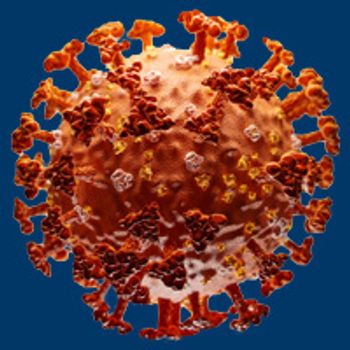
Experts from ASCO detail the organization's response to the COVID-19 crisis and resources available for its members.

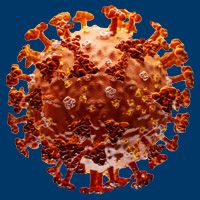
The need to establish preventive procedures that keep pace with the rapid evolution of coronavirus 2019 presents numerous challenges for the oncology field as institutions adapt standard treatment protocols to minimize the risk for virus spread among clinicians and patients alike.
Adam M. Brufsky, MD, PhD, discusses case ascertainment bias regarding the coronavirus 2019.

Tocilizumab, a treatment used for adverse events related to cancer therapy, among other indications, is being explored in a phase III trial as a treatment for adult patients hospitalized with severe COVID-19 pneumonia, according to Genentech (Roche), the manufacturer of the interleukin-6 receptor antagonist.

Like all fellowship directors, Gerald Hsu, MD, PhD, is looking for applicants with intelligence, ambition, and a desire to advance cancer research and clinical care.

Physicians treating patients with cancer may want to consider postponing surgeries or altering therapy plans because of the threat that the coronavirus poses to this population.

Patrick I. Borgen, MD, discusses what is currently known about coronavirus 2019 and unanswered questions that still need to be addressed.

In a time of tremendous technological advancement, how is it that 90% of communications between providers and payers for prior authorizations are still done by phone or fax, and how do we move to more automated processes?1

Jeremy L. Warner, MD, MS, discusses the goals of the COVID-19 and Cancer Consortium Registry, what other data need to be extrapolated with COVID-19, and how the virus could impact patients with cancer.

Matthew T. Campbell, MD, MS, shares ways to prevent the spread of coronavirus 2019.

Aditya Bardia, MD, MPH, discusses the potential impact of novel coronavirus on immunocompromised patients.

In January, America’s Health Insurance Plans in collaboration with payers representing 60 million covered individuals launched the Fast Prior Authorization Technology Highway to improve the prior authorization process.










Segments of the population have apparently rejected the well-documented clinical utility of vaccination for protecting individual and public health. An immediate specific concern is the contentious matter of measles vaccination, which has been well-reported in the lay press.
Advertisement
Advertisement
Trending on OncLive
1
FDA Approves Nogapendekin Alfa Inbakicept Plus BCG for High-Grade, Papillary-Only BCG-Unresponsive NMIBC
2
SurVaxM Cancer Vaccine Shows Clinically Meaningful OS Signal in Newly Diagnosed Glioblastoma
3
VS-7375 Elicits Responses in KRAS G12D–Mutated Pancreatic Cancer
4
FDA Accepts BLA Resubmission for Tabelecleucel in EBV+ Post-Transplant Lymphoproliferative Disease
5