
Oncology Business Management
Latest News
Advertisement
Video Series
Latest Videos





























































Advertisement
More News
Narjust Duma, MD, has been named as the new associate director of the Cancer Care Equity Program at the Dana-Farber Cancer Institute, as well as an assistant professor of medicine at Harvard Medical School.
The COVID-19 pandemic created new patient care challenges in oncology, such as how to reduce risks of virus exposure for patients who may be immunocompromised and switching from in-person visits to telemedicine.
Despite many diversity initiative over the past 10 years, a lack of meaningful representation of certain racial and ethnic minorities continues in the oncology workforce.
Navneet Majhail, MD, MS, discusses the importance of utilizing social media in oncology.
Although scientific advances in hematology and oncology have been extraordinary, the US health care system faces significant challenges in ensuring that patients receive high-quality, cost-effective care.
Although the research that emerged from the discovery of the HeLa cell line has helped to prevent 4.5 billion global infections and 10.3 million global deaths, the unethical and controversial nature of their discovery has raised issues with regard to privacy and consent in underrepresented patient populations.
The COVID-19 pandemic may have stalled some physician retirements, but some experts are predicting an exodus of oncologists within the next 1 or 2 years. Practice managers are working now to mitigate the impact with both formal and informal initiatives.
Maurie Markman, MD, discusses how privacy and consent in clinical cancer trials have improved over the years.
Dr. Schilsky highlights key milestones in his career with ASCO, Dr. Gralow speaks to the short- and long-term goals she plans to accomplish in her new role at ASCO, and both speak to their thoughts on the future of cancer care.
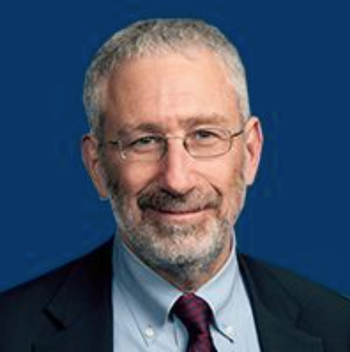
Formerly, small cell lung cancer was generally considered more chemotherapy sensitive in the short term but also associated with an overall inferior survival outcome; however, the difference in prognosis compared with metastatic non–small cell lung cancer was measured in months—rarely longer.

Introduced today in the state Senate, legislation details six rights for every cancer patient in California.
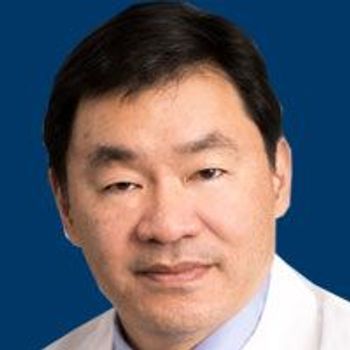
Although safety remains a concern with gene therapy, investigators are breaking ground in cell and gene therapy, and many believe that ultimately, a string of cured cancers will follow.
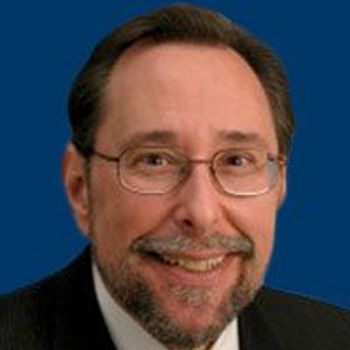
Richard L. Schilsky, MD, FACP, FSCT, FASCO, sat down to share his proudest moments and obstacles throughout his career with ASCO, as well as advice for his successor, Julie Gralow, MD, who will step into the position on February 15, 2021.
Oncologists discuss the use of social media in oncology.

Investigators from Indiana University decided to study some of the factors influencing career plans for physicians, focusing on current fellows and recent graduates of the hematology and medical oncology specialty in the United States.
The coronavirus disease 2019 crisis has changed all aspects of medical education but perhaps altered clinical education most dramatically.
The American Association for Cancer Research revealed a comprehensive, first-of-its-kind AACR Cancer Disparities Progress Report, which highlights disparities in cancer incidence, diagnosis, treatment, and survival, along with a heavy emphasis on racial and ethnic disparities in cancer care.
Michael J. Robertson, MD, discusses the value of fellowship, choosing a career path, and the second epiphany that led him to focus on one of the hottest topics in oncology years before it became a viable treatment option.
Daniel A. Vorobiof, MD, the chief medical director of Belong.Life, discusses the impact of financial toxicity on patients with cancer.
Nothing about taking care of patients with cancer during the coronavirus disease 2019 pandemic has been easy, but those practices that had already embraced transformation under the Oncology Care Model are finding that its monthly payments and other features offer stability during an unprecedented health emergency.
In our exclusive interview, Dr. Loaiza-Bonilla explains how AI can be used to optimize patient care, provides insight into the research that has been done to develop potential applications for AI in oncology, and sheds light on some of the barriers that have to be overcome in order to effectively implement AI in oncology.
Practices and cancer centers in randomly selected zip codes will be required to participate in the new radiation oncology Model, which is expected to cover approximately 30% of eligible Medicare fee-for-service care episodes.
Daniel A. Vorobiof, MD, discusses financial toxicity in oncology.
Although graduate medical education at many hospitals includes provisions to ensure that trainees remain physically, emotionally, and mentally healthy, few residents and fellows make use of these resources.
Russell J. Ledet, PhD, discusses being a Black man in the field of oncology.
Advertisement
Advertisement
Trending on OncLive
1
FDA Approves Nogapendekin Alfa Inbakicept Plus BCG for High-Grade, Papillary-Only BCG-Unresponsive NMIBC
2
SurVaxM Cancer Vaccine Shows Clinically Meaningful OS Signal in Newly Diagnosed Glioblastoma
3
VS-7375 Elicits Responses in KRAS G12D–Mutated Pancreatic Cancer
4
FDA Accepts BLA Resubmission for Tabelecleucel in EBV+ Post-Transplant Lymphoproliferative Disease
5