



Oncology Business Management
Latest News
Advertisement
Video Series
Latest Videos





























































Advertisement
More News
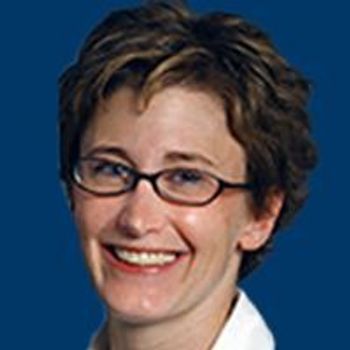
Jill Gilbert, MD, discusses overcoming imposter syndrome in fellowship.
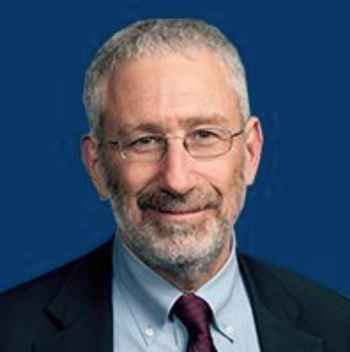
There has been limited discussion in the cancer literature for how peer review among the multiple oncology journals and international cancer conferences is conducted.
It is difficult to overstate the confusion associated with our nation’s messaging regarding a well-considered, rational, and scientifically based public health–focused approach to the current and future ramifications of the COVID-19 pandemic.
Valentina Baez Sosa, MD, shares how her early life experiences in gymnastics and coaching have helped her become a better hematology/oncology physician.
Bharat Sanders sheds light on how patient-centered medical education put him behind the eyes of the patient and fundamentally changed the way he practices medicine.
The ability to reflect and boldly choose a professional identity should be discussed, encouraged, and nurtured in every individual.

A collaborative initiative between the American Society of Clinical Oncology and the American Medical Association has the goal of improving well-being and reducing burnout by leveraging a quality improvement framework and model.

It is difficult to dispute that these are troubling times for government officials and public health agencies.
The use of oncology biosimilars has expanded rapidly in the United States during the past 2 years as providers embraced a growing armamentarium of new products, according to findings from real-world data reported at the 2021 American Society of Clinical Oncology Annual Meeting.
Homogeneous trials present a missed opportunity to discover treatments that might be highly successful in a particular subset of patients.
For those in the community setting, several barriers to clinical research prevent advanced care providers and their patients from taking part in experimental therapies.
Within the hierarchy of clinical trials, phase 3 randomized studies remain the gold standard, though some argue that appropriately designed meta-analysis of multiple studies provides even more definitive and meaningful insight.
The National Comprehensive Cancer Network (NCCN) has launched a digital initiative to provide strategic approaches specifically geared toward employers who need to navigate a diagnosis of cancer among their staff.
The overall picture related to COVID-19 in the Unites States is encouraging, and we might suspect that the American public would be relatively united with favorable views of efforts of public health officials and organizations at the national, state, and local levels to successfully control this terrible event and return us to our prepandemic state.
Dr. Lee-Kim discusses her path into treating pediatric patients with cancer, key lessons that can be learned during fellowship, and tips on managing finances and burnout during a pediatric oncology fellowship program.
The patient experience is a critical factor in the success of any healthcare practice, and its importance is increasing with the rise of health care consumerism.
The issue of disparities in cancer is multifactorial, as it can cover not only race, ethnic, and cultural issues, but also gender identification.
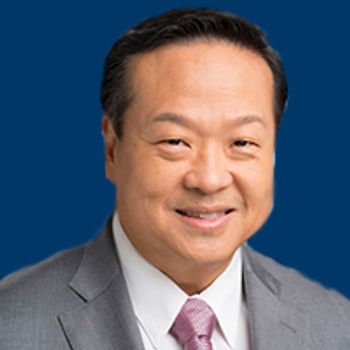
Preeminent oncologist Edward S. Kim, MD, MBA, has been named among the nation’s top cancer leaders by Friends of Cancer Research, a national organization dedicated to advances in science, policy, and regulations that speed lifesaving treatments to patients.
Mentors may help in career development, personal matters, research activities, and professional growth.
Justine Kahn, MD, MS, discusses the importance of diverse clinical trial participation within the oncology space.
Although there are some weeks that are harder than others during my first year of fellowship, I sincerely feel that there is nothing I would rather be doing than practicing medicine.

Providers and health care institutions want more real-world data on how patients respond to various biosimilar products, according to a varied panel of private practice, academic hospital, and group purchasing organization experts in a discussion at the Community Oncology Alliance virtual 2021 Community Oncology Conference in April.
In the United States, a geographic mismatch exists between the number of medical oncology and radiation providers and patients needing care, with more specialists clustered in urban and metropolitan areas.

During this search for a breast cancer support system, my mother also investigated complementary therapies that peers had used to help cope with their fears, adverse effects, and feelings of helplessness.
Advertisement
Advertisement
Trending on OncLive
1
FDA Approves Nogapendekin Alfa Inbakicept Plus BCG for High-Grade, Papillary-Only BCG-Unresponsive NMIBC
2
SurVaxM Cancer Vaccine Shows Clinically Meaningful OS Signal in Newly Diagnosed Glioblastoma
3
VS-7375 Elicits Responses in KRAS G12D–Mutated Pancreatic Cancer
4
FDA Accepts BLA Resubmission for Tabelecleucel in EBV+ Post-Transplant Lymphoproliferative Disease
5