


Oncology Business Management
Latest News
Advertisement
Latest Videos
































































Advertisement
More News


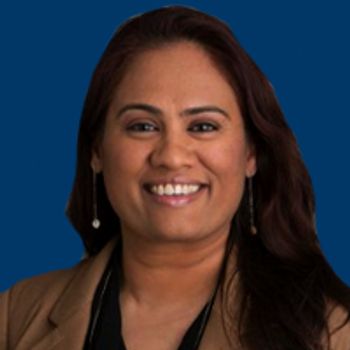
Subha Madhavan, PhD, discusses the role of data science and informatics in bringing novel clinical study designs to the field of oncology.
Patients with blood cancers face greater treatment costs than those with solid tumors. Furthermore, healthcare spending for these patients is already higher than average before diagnosis and does not return to prediagnosis levels even after successful treatment.
The concept of chronic disease management in cancer has been and continues to be inadequately considered.
Improvements and greater familiarity with artificial intelligence will lead to systems of checks and balances that will create trust and fulfill the promise of computer-assisted precision medicine.

Consciously or unconsciously, all oncologists develop some sort of system for managing the growing complexity of cancer care.
Within a year of starting its drug-waste reduction study in 2010, NCCH became the first hospital in the country to implement a program systematically extending medications’ beyond use dates from several hours to upward of 7 days.

Telehealth, a universal term for the use of digital information and communication technologies to remotely access healthcare services, is improving availability of healthcare services, particularly for patients in rural areas.
The battle over 340B continues in Congress, with multiple legislative initiatives.
Alyssa Dahl, MPH, CPH, discusses what to watch for when the CMS releases performance results for the Oncology Care Model.

The FDA has granted a full approval to frontline pembrolizumab for use in combination with standard chemotherapy for patients with metastatic nonsquamous non–small cell lung cancer.

Provisions to a final national coverage determination that expanded coverage for next-generation sequencing tests have implications for any NGS-based cancer test provided to Medicare beneficiaries and will inevitably influence the coverage thinking of commercial payers.
Paul A. Bunn Jr, MD, distinguished professor, Division of Medical Oncology, James Dudley Chair in Lung Cancer Research, University of Colorado Denver, 2014 Giant of Cancer Care in Lung Cancer, discusses tumor mutational burden as a biomarker in small cell lung cancer.
David O'Malley, MD, professor, Department of Obstetrics and Gynecology, The Ohio State University Comprehensive Cancer Center, discusses folate-receptor alpha as a biomarker in ovarian cancer.
Darcie Hurteau, MBA, and Alyssa Dahl, PhD, MPH, discuss the growing pains of the Oncology Care Model, a complicated payment program that is still establishing administrative processes.

The Oncology Care Model is a patient-centric program that the Centers for Medicare & Medicaid Services says will allow for “better care, smarter spending, and healthier people.”
Maurie Markman, MD, discusses the increasing criticism of the phase III randomized trial in oncology.

As the checkpoint inhibitors move into the frontline setting for patients with non–small cell lung cancer, the focus has been placed on the duration of therapy and what to do in the second-line setting following progression.
The public’s faith in science, particularly in efforts related to health, is crucial for the successful implementation of strategies designed to improve the human condition, says Maurie Markman, MD.
The FDA has approved a new formulation of abiraterone acetate in combination with methylprednisolone as a treatment for men with metastatic castration-resistant prostate cancer.
Advertisement
Advertisement
Trending on OncLive
1
FDA Approves Nogapendekin Alfa Inbakicept Plus BCG for High-Grade, Papillary-Only BCG-Unresponsive NMIBC
2
SurVaxM Cancer Vaccine Shows Clinically Meaningful OS Signal in Newly Diagnosed Glioblastoma
3
VS-7375 Elicits Responses in KRAS G12D–Mutated Pancreatic Cancer
4
FDA Receives NDA Resubmission for Rivoceranib Plus Camrelizumab in Frontline Unresectable or Metastatic HCC
5