




Oncology Business Management
Latest News

Advertisement
Latest Videos































































Advertisement
More News

The FDA has proposed amendments to key policies to modernize breast cancer screening and improve mammography services, in order to enable healthcare providers and patients to make more informed medical decisions

When the FDA approved its first biosimilar drug in 2015—filgrastim-sndz, for compromised white blood cell count—there was talk of the benefits of competition in the pharma industry; increased access to medications for patients; and, of course, the all-around savings. Four years later, those benefits haven’t been fully realized,
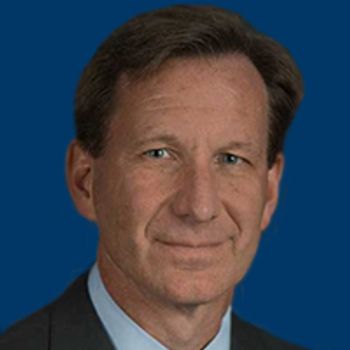
National Cancer Institute director Norman (Ned) E. Sharpless, MD, has been named as acting commissioner of the FDA once Scott Gottlieb, MD, leaves the regulatory agency in April 2019.

Global use of cancer management guidelines from the National Comprehensive Cancer Network has climbed rapidly in recent years.

There have been efforts in recent years to improve patient adherence to oncology medications; now, oncologists may soon have 1 more tool in the form of digital pills.

Stunning technological advances in the ability to examine the molecular structure of human DNA have significantly reduced the time and costs associated with this process.

The annual cost of new oncology drugs will continue to trend upward over the next 5 years, eventually breaching the $200,000 level.


Advertisement
Advertisement
Trending on OncLive
1
FDA Approves Nogapendekin Alfa Inbakicept Plus BCG for High-Grade, Papillary-Only BCG-Unresponsive NMIBC
2
SurVaxM Cancer Vaccine Shows Clinically Meaningful OS Signal in Newly Diagnosed Glioblastoma
3
VS-7375 Elicits Responses in KRAS G12D–Mutated Pancreatic Cancer
4
FDA Accepts BLA Resubmission for Tabelecleucel in EBV+ Post-Transplant Lymphoproliferative Disease
5