



Precision Medicine in Oncology®
Latest News

Advertisement
Latest Videos






























































Advertisement
More News

The Trials in Progress Poster Session at the ASCO Annual Meeting, now in its third year, is intended to stimulate discussion in the oncology community about ongoing clinical trials and to promote collaboration.
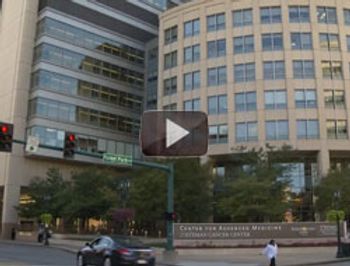
Siteman patients have access to more than 250 therapeutic clinical trials, and Siteman-affiliated scientists and physicians hold more than $165 million in annual cancer research and related training grants.
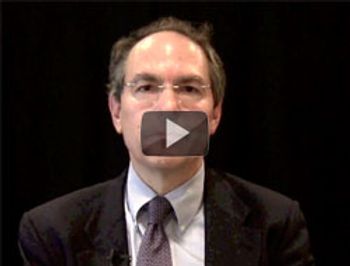
Dr. Peter Choyke, from the National Cancer Institute, Molecular Imaging Program, Discusses Current Molecular Imaging Research.

The oral hedgehog pathway inhibitor vismodegib is effective for both the prevention and treatment of basal-cell carcinoma in patients with the rare disorder known as basal-cell nevus syndrome.

Dr. Giorgio Scagliotti, from the University of Turin, San Luigi Hospital, on Combining Targeted Therapies With Chemotherapy for Lung Cancer Patients.
Dr. Aleksandar Sekulic, from the Mayo Clinic in Arizona, on the Hedgehog Pathway Inhibitor Vismodegib for Basal Cell Carcinoma.

Drugs that target the programmed death-1 pathway hold considerable promise for the treatment of patients with melanoma, particularly in integrating the agents into the sequence of therapy.

Pazopanib has demonstrated activity in a majority of patients with refractory urothelial cancer, providing the first evidence that targeted therapies might have a role in the disease.
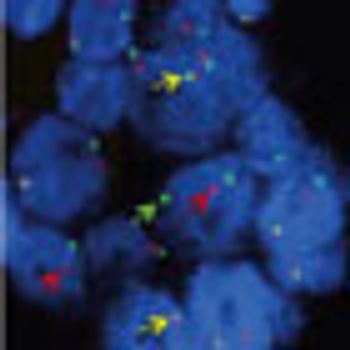
Two leading researchers discuss the role of the ALK signaling pathway and development into new ALK-targeted anticancer therapies.

There has been stunning progress as preclinical findings of the ALK gene in patients with lung cancer were rapidly translated into the availability of an FDA-approved therapeutic ALK inhibitor, crizotinib.

Dr. Antoni Ribas, from UCLA Jonsson Comprehensive Cancer Center, on the Benefits of MAPK Inhibition With Dabrafenib and Trametinib
The presence of specific molecular biomarkers may assist in determining the correct morphologic diagnosis of the particular cancer being examined.

Suzanne Fuqua, PhD, from the Baylor College of Medicine, on the Utilization of Predictive Biomarkers
Elaine Mardis, from the Genome Institute at Washington University School of Medicine, on Sensitivity to Aromatase Inhibitors
The development of targeted therapies for a variety of tumor types has highlighted a greater need for widespread molecular testing to determine which patients have the mutations that these therapies target.

Dr. Roy S. Herbst, from Yale Cancer Center, Explores Molecular Testing in Lung Cancer

Amid a continuing debate over healthcare spending in the United States, the oncology community is growing more introspective about the costs associated with increasingly sophisticated cancer therapeutics.

Dr. David Gandara, from University of California, Davis Comprehensive Cancer Center, discusses using the multiplexing assay for patients with non-small cell lung cancer

Tivantinib has demonstrated statistically significant improvements in time to progression and overall survival versus placebo among patients with unresectable hepatocellular carcinoma.
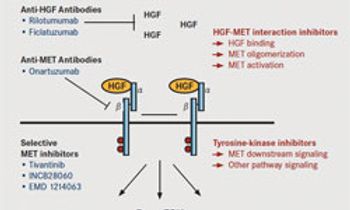
An effort to nurture the drug development skills of young oncologists as they explore a novel targeted agent has gained support from the Conquer Cancer Foundation of the American Society of Clinical Oncology.

Melinda L. Telli, MD, is actively involved in clinical research that focuses on DNA repair targeted therapeutics for the treatment of triple-negative and BRCA1/2 mutation-associated breast cancer.

Expression levels of thymidylate synthase may help point the way to new treatment options for patients with ALK-positive NSCLC, including combination therapy.
In spite of the setbacks, researchers remain hopeful that a better understanding of the mechanism of action for PARP inhibitors will lead to effective treatment of a wide variety of cancers.

As the molecular understanding of breast cancer continues to evolve, the search for treatment targets based upon tumor subtypes and gene expression patterns is intensifying.

Research presented at ASCO 2012 examined the expanded use of sipuleucel-T, as well as methods to determine which patients might benefit the most from the therapy.
Advertisement
Advertisement
Trending on OncLive
1
Ifinatamab Deruxtecan BLA Voluntarily Withdrawn in Previously Treated Extensive-Stage SCLC
2
Etentamig Improves Response and PFS vs Standard Therapies in Triple-Class Exposed Relapsed/Refractory Myeloma
3
Dr Voorhees on Eligibility Criteria for the CERVINO Trial in Multiple Myeloma
4
FDA Approves Lirafugratinib for Pretreated, Locally Advanced or Metastatic Cholangiocarcinoma
5