




Precision Medicine in Oncology®
Latest News
Advertisement
Latest Videos






























































Advertisement
More News



Working in the laboratory and the clinic, Shaji K. Kumar, MD, has made a discovery: that there aren't enough hours in a day.
Ron Bose, MD, PhD, from the Siteman Cancer Center, discusses the prevalence of HER2 gene mutations in patients diagnosed with breast cancer.
Despite all we have learned about the importance of sensitizing EGFR mutations in defining the management of advanced NSCLC, our education regarding the relevance of this molecular target in optimizing clinical outcomes continues.

Benjamin W. Purow, MD, a researcher whose focus is on glioblastomas, discusses the Notch pathway and the development of Notch-targeted anticancer agents.

Although the presence of an EGFR mutation is a predictive marker for response to EGFR tyrosine kinase inhibitor therapy in patients with non-small cell lung cancer, the mutation is not a prognostic factor.
Notch-targeted agents that were initially intended for the treatment of Alzheimer disease are now being examined for their possible anticancer activity.

Ashish M. Kamat, MD, from MD Anderson Cancer Center, discusses enhancing clinical trial recruitment through a novel definition of BCG therapy failure in patients with nonmuscle invasive bladder cancer.

Collaborative and standardized efforts to develop and evaluate novel drugs are necessary to ultimately provide effective long-term treatment for nonmuscle-invasive bladder cancer.
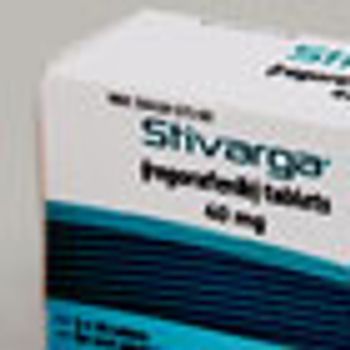
The FDA approved regorafenib for the treatment of gastrointestinal stromal tumors that cannot be removed surgically and no longer respond to other FDA-approved treatments for the disease.

William J. Gradishar, MD, from the Northwestern University Feinberg School of Medicine, describes the need to enrich the patient population in a clinical trial that is investigating a novel targeted therapy.

Combination targeted therapy did not significantly extend progression-free survival compared with single-agent bevacizumab in patients with advanced renal cell carcinoma.

Advertisement
Advertisement
Trending on OncLive
1
Ifinatamab Deruxtecan BLA Voluntarily Withdrawn in Previously Treated Extensive-Stage SCLC
2
Etentamig Improves Response and PFS vs Standard Therapies in Triple-Class Exposed Relapsed/Refractory Myeloma
3
Dr Voorhees on Eligibility Criteria for the CERVINO Trial in Multiple Myeloma
4
FDA Approves Lirafugratinib for Pretreated, Locally Advanced or Metastatic Cholangiocarcinoma
5