
Precision Medicine in Oncology®
Latest News

Advertisement
Latest Videos





























































Advertisement
More News

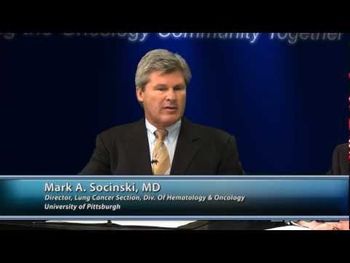
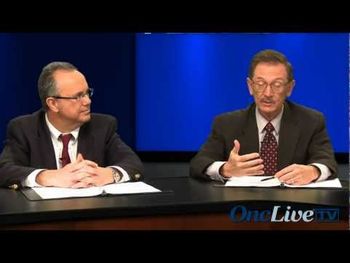


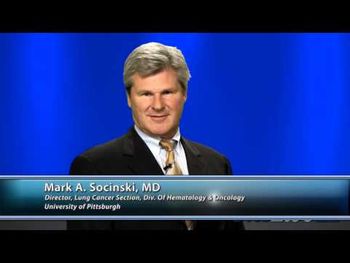


Leyland-Jones, MB BS, PhD, a renowned oncologist and translational scientist, has helped develop several mainstay oncologic treatments and the targeted breast cancer therapy trastuzumab.

New discoveries about tumor biology suggest to many researchers that targeted therapies, when used in appropriate early-stage patients, might significantly boost cure rates and extend lives.
Ghassan K. Abou-Alfa, MD, from Memorial Sloan-Kettering Cancer Center, discusses the promising results and future investigation of MET inhibition in hepatocellular carcinoma using cabozantinib and tivantinib.

While the number of known mutations and matching targeted agents is relatively limited at present, clinical trials are being designed to identify effective therapies for specific mutations more efficiently.
As therapy based on cell-signaling pathways has become a priority in cancer research, so has the concept of designing clinical trials that can better target patient populations more likely to benefit from a particular regimen.

Patients with breast cancer who do not exhibit amplifications of the HER2 gene may still have mutations of HER2 that drive the progression of their cancer, suggesting that these mutations could serve as therapeutic targets.

A new drug screening method revealed that cholesterol-reducing statin drugs used in combination with cyclin-dependent kinase inhibitors might serve as an effective treatment approach for certain types of melanoma.

Antibody-drug conjugates are a robust area of oncology exploration, with an estimated 25 ADCs under study in clinical trials, up from six less than a decade ago.

Activation of a signaling pathway involving the proto-oncogene Src is responsible for disease progression and metastasis in cancer and beta blocker drugs could be used to reduce mortality in these patients.
John C. Byrd, MD, director of the division of hematology at The Ohio State University Comprehensive Cancer Center, discusses the role of Bruton's Tyrosine Kinase (BTK) in chronic lymphocytic leukemia.

William M. Grady, MD, from the Fred Hutchinson Cancer Research Center, discusses results from a study that examined the association of intrinsic subtypes of colorectal cancer with prognosis, chemotherapy response, and other factors.

Suresh S. Ramalingam, MD, from Emory University's Winship Cancer Institute, explains that a number of new cytotoxic drugs are being developed in combination with targeted therapies, such as EGFR inhibitors.

A pair of studies could change the way patients are evaluated for mutations of BRCA1 and BRCA2, two cancer susceptibility genes closely associated with breast and ovarian cancers, as well as other tumor types.

Tianhong (Tina) Li, MD, PhD, from the UC Davis Comprehensive Cancer Center, discusses results from the LUX-Lung 3 trial that examined afatinib as a first-line treatment for patients with EGFR-positive advanced lung adenocarcinoma.
Brian J. Druker, MD, one of the pioneering researchers who discovered imatinib, has maintained his focus on finding new and better treatments for CML and other leukemias.
The FDA has accepted a NDA for afatinib to treat patients with locally advanced or metastatic NSCLC who have tested positive for an EGFR mutation that has been identified through a companion diagnostic test.
Corey J. Langer, MD, from the University of Pennsylvania, Abramson Cancer Center, discusses the EGFR-targeted tyrosine kinase inhibitor erlotinib for patients with non-small cell lung cancer.
An ever-deeper understanding of the biology that drives NSCLC is sparking new treatment paradigms that include selecting targeted drugs based on patients' biomarkers.
Advertisement
Advertisement
Trending on OncLive
1
Ifinatamab Deruxtecan BLA Voluntarily Withdrawn in Previously Treated Extensive-Stage SCLC
2
Etentamig Improves Response and PFS vs Standard Therapies in Triple-Class Exposed Relapsed/Refractory Myeloma
3
Dr Voorhees on Eligibility Criteria for the CERVINO Trial in Multiple Myeloma
4
FDA Approves Lirafugratinib for Pretreated, Locally Advanced or Metastatic Cholangiocarcinoma
5