





Precision Medicine in Oncology®
Latest News
Advertisement
Latest Videos




































































Advertisement
More News

Genetic testing for cancer survivors may play a critical role in helping avoid a second primary cancer or it may help prevent family members from developing cancer.
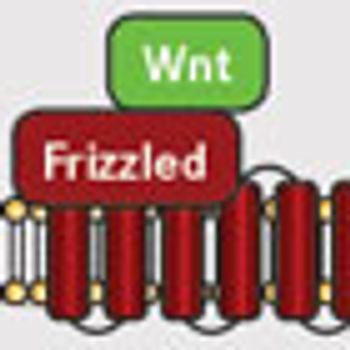
Tumor-initiating cells are thought to be the source of metastasis. For these reasons, the Wnt pathway is viewed as a strong candidate for therapeutic intervention.

Treating estrogen receptor–positive breast cancer without sparking resistance is a complex endeavor that should involve simultaneously targeting the hormone-signaling and PI3 kinase molecular pathways

In the absence of a phase III randomized trial, what constitutes sufficient evidence to justify use of a treatment, particularly a nontraditional treatment or one that challenges common practice?

Scientists now know a lot more about the genetic landscape of head and neck cancer and hope that eventually this knowledge will lead the way to new therapies.

Cristi Radford, MS, CGC, from the Sarasota Memorial Hospital, discusses examining cancer gene panels using next generation sequencing for patients with ovarian cancer.

Jorge E. Cortes, MD, from the MD Anderson Cancer Center, describes results from a 12 month follow up of the phase II PACE study that examined ponatinib in patients with CML and Ph+ ALL.

Mark G. Kris, MD, from Memorial Sloan-Kettering Cancer Center, discusses the administration of dacomitinib for patient with EGFR-positive lung cancer.

An interview with Jenny C. Chang, MB BChir, MD, who broke new ground in cancer research when she identified and patented a 493-gene signature for breast cancer.
Predictive biomarkers are beginning to help physicians assign value to associated therapies in terms of likelihood of benefit and benefit-to-risk profiles for individual patients.
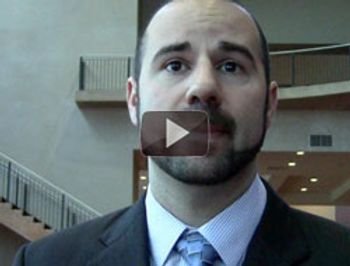
Justin M. Balko, PharmD, PhD, from the Vanderbilt-Ingram Cancer Center, discusses research into clinically targetable genetic alterations in patients with triple-negative breast cancer.

Patients with triple-negative breast cancer who have residual disease after receiving neoadjuvant chemotherapy have a series of genetic alterations that are clinically targetable and may warrant further study.

Combining the investigational PD 0332991 with letrozole as first-line therapy extended progression-free survival in women with advanced estrogen-receptor positive breast cancer.

Richard Finn, MD, from the Jonsson Comprehensive Cancer Center, describes results from a phase II study that examined PD 0332991 in combination with letrozole for women with metastatic ER-positive breast cancer.

Results of the phase III MISSION trial showed that third- or fourth-line treatment with sorafenib did not improve overall survival in patients with advanced non–small cell lung cancer.

The pace of discovery in breast cancer research has been brisk in the past year, leading not only to the approval of several new therapies but also to clinical trial results with the potential to change practice.

Over the past decade, there has been an explosion of knowledge regarding the fundamental drivers of the malignant phenotype.

Jeffrey N. Weitzel, MD, from City of Hope, discusses the need to develop combination strategies for patients with breast cancer, in order to overcome the resistance.
Targeted antineoplastic therapy based on the presence of a well-defined molecular target should be recognized as a standard-of-care approach in an increasing number of clinical settings.






Advertisement
Advertisement
Trending on OncLive
1
Ifinatamab Deruxtecan BLA Voluntarily Withdrawn in Previously Treated Extensive-Stage SCLC
2
Etentamig Improves Response and PFS vs Standard Therapies in Triple-Class Exposed Relapsed/Refractory Myeloma
3
Dr Voorhees on Eligibility Criteria for the CERVINO Trial in Multiple Myeloma
4
FDA Approves Lirafugratinib for Pretreated, Locally Advanced or Metastatic Cholangiocarcinoma
5