


Gastrointestinal Cancer
Latest News
Advertisement
Latest Videos

















































Advertisement
More News
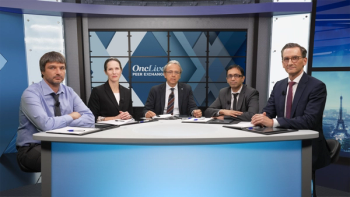
Focusing on the first patient profile of advanced hepatocellular carcinoma, Andrea Casadei-Gardini, MD, reviews his selection and use of first-line lenvatinib therapy.
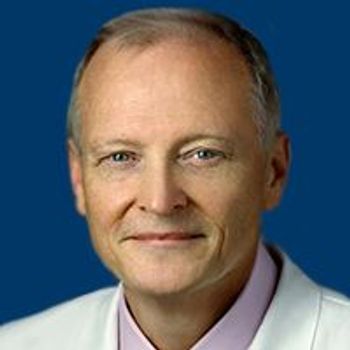
John L. Marshall, MD, provides an overview of esophageal squamous cell carcinoma and discusses several key updates to the treatment landscape, including putting data in the context of the treatment algorithm.
Shared practical advice on the management of toxicities associated with antibody drug conjugate therapy in both the breast cancer and GI cancer settings.
Before closing out their discussion on HER2+ gastric cancer, experts review clinical trials investigating other novel ADC agents in this setting.
Representatives from Elevar Therapeutics and the FDA held a positive pre–new drug application meeting to discuss the combination of rivoceranib and camrelizumab as a potential therapeutic option for patients with hepatocellular carcinoma.

Experts provide brief perspective on the use of adjuvant treatment approaches for patients with biliary tract cancers.
Before closing out their review of early-stage biliary tract cancer treatment options, panelists consider the role of transplant in the setting.
John Lindsay Marshall, MD, discusses past, present, and future developments in molecular testing, as well as the unique offerings of tissue and blood tests and the ways in which these precise approaches will ultimately make cancer diagnosis and treatment more efficient and effective.
Moderator Josep Llovet, MD, centers discussion on advanced hepatocellular carcinoma and provides a broad overview of treatment options in the frontline setting.
Expert perspectives on the selection and use of systemic therapy in patients who progress on or are unsuitable for locoregional therapies.
Panelists share their perspective on the role of the broader, multidisciplinary healthcare team in managing toxicity associated with trastuzumab deruxtecan therapy.
Comprehensive insight on the optimal management of diarrhea associated with ADC therapy, with regard to patient education and monitoring during treatment.
John L. Marshall, MD, discusses the evolution of genetic testing in gastrointestinal cancer.
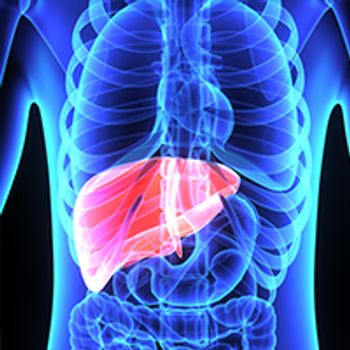
Patients with locally advanced or metastatic intrahepatic cholangiocarcinoma who received the FGFR inhibitor derazantinib derived a meaningful clinical benefit with a manageable safety profile.
Centering discussion on early-stage biliary tract cancers, expert panelists consider the respective roles of surgery and embolization strategies in this setting.
Panelists share their perspectives on molecular testing guidelines for patients diagnosed with biliary tract cancers.
The FDA has granted an accelerated approval to futibatinib (Lytgobi) for adult patients with previously treated, unresectable, locally advanced or metastatic intrahepatic cholangiocarcinoma harboring FGFR2 gene fusions or other rearrangements.
Comprehensive insight on the role of locoregional therapies in early- or intermediate-stage HCC, alone or in combination with systemic agents.
Opening their discussion on the management of hepatocellular carcinoma, expert panelists take a broad look at the treatment landscape.
Shifting focus to the second patient profile of HER2+ gastric cancer, key opinion leaders highlight the risk and management of diarrhea in this setting.
Panelists briefly review ongoing clinical trials with trastuzumab deruxtecan in the setting of HER2+ gastric cancers.
Comprehensive insight on staging biliary tract cancers followed by an overview of molecular testing and targetable clinicopathologic features.
Expert perspectives on the presentation of biliary tract cancers with specific insight to the challenges inherent in reaching a timely diagnosis.

A novel approach to chemotherapy administration in advanced gastric cancer that has progressed to gastric carcinomatosis is poised to alter the treatment landscape and improve outcomes for this patient population.
Focused discussion on the management of antibody drug conjugate–related adverse events in gastric cancer, with a focus on neutropenia.
Advertisement
Advertisement
Trending on OncLive
1
Epcoritamab Plus R-CHOP Meets PFS End Point in Newly Diagnosed DLBCL
2
INBRX-106 Plus Pembrolizumab Improves Responses and PFS in First-Line PD-L1–Positive HNSCC
3
FDA Approves Pirtobrutinib for Previously Untreated CLL/SLL
4
‘Our Impact Will Be Broad and Transformative’: Wells Messersmith, MD, Takes the Reins at CU Anschutz Cancer Center
5