



Gastrointestinal Cancer
Latest News

November 17th 2022
By Kristi Rosa
The addition of zolbetuximab to oxaliplatin, leucovorin, and fluorouracil significantly improved progression-free survival vs fluorouracil alone in patients with Claudin 18.2–positive, HER2-negative, locally advanced unresectable or metastatic gastric or gastroesophageal junction adenocarcinoma.

Second-line Fruquintinib Plus Paclitaxel Improves PFS in Chinese Patients With Gastric Cancer
By Kristi Rosa
Advertisement
Latest Videos






















































Advertisement
More News
The liposome formulation of irinotecan, HR070803, in combination with 5-fluororacil and leucovorin provided a statistically significant overall survival benefit to patients with gemcitabine-refractory locally advanced or metastatic pancreatic cancer.

Dr Goyal discusses the FDA approval of futibatinib in FGFR2-positive cholangiocarcinoma, key safety data from the FOENIX*-CCA2 trial, and the importance of biomarker testing in the cholangiocarcinoma population.
The FDA has granted an orphan drug designation to OTX-2002 for the treatment of patients with hepatocellular carcinoma.

In the context of advanced biliary tract cancers, panelists reflect on the optimal sequencing of agents throughout multiple lines of therapy.

Expert perspectives on the toxicity profile of immunotherapy agents and how they can be managed in patients being treated for advanced biliary tract cancers.

Treatment with FOLFIRINOX resulted in a significantly longer progression-free survival than that achieved with gemcitabine in patients with locally advanced pancreatic carcinoma, meeting the primary end point of the phase 3 NEOPAN trial.

Tanios S. Bekaii-Saab, MD, describes the future direct of clinical research into immune check point inhibitors for solid tumors, which he believes will be to explore additional combinations with targeted therapies.
Tanios S. Bekaii-Saab, MD, provides insight into ongoing research exploring novel combinations of tyrosine kinase inhibitors and immune checkpoint inhibitors across solid tumors.

The FDA has granted a fast track designation to 177Lu-edotreotide for use as a potential therapeutic option in patients with gastroenteropancreatic neuroendocrine tumors.

In the context of clinical data from the HIMALAYA and STRIDE trials, expert oncologists review real-world use of tremelimumab + durvalumab in advanced HCC.
Focusing on a second patient profile of advanced hepatocellular carcinoma, panelists consider the role of first-line tremelimumab + durvalumab.
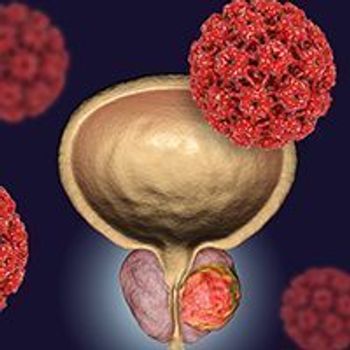
Highly elevated levels of antidrug antibodies against atezolizumab were associated with poorer clinical outcomes for patients who received atezolizumab plus bevacizumab for advanced hepatocellular carcinoma.

Shared insight on efforts to identify patient subgroups that may benefit more from immunotherapy in the setting of advanced biliary tract cancers.

Centering their conversation on the TOPAZ-1 clinical trial, expert panelists review the use of IO + chemotherapy in advanced biliary tract cancers.
Tanios S. Bekaii-Saab, MD, discusses minimizing the toxicities associates with tyrosine kinase inhibitors (TKIs) through dose optimizations strategies, which are of particular interest at TKIs are combined with immune checkpoint inhibitors that also may impact the liver.
Liver injury can occur within 2 weeks of starting therapy with a tyrosine kinase inhibitor, although it can also be seen as late as 2 months, describes Tanios S. Bekaii-Saab, MD, making vigilance key for proper mitigation of this adverse event.

The FDA has approved durvalumab (Imfinzi) in combination with tremelimumab (Imjudo) for the treatment of adult patients with unresectable hepatocellular carcinoma.

A new focus of research has reconsidered the mechanisms in regulating transcription as a novel target for advanced pancreatic ductal adenocarcinoma.
Comprehensive discussion on the real-world applications of first-line lenvatinib therapy in advanced HCC followed by its potential in combination with TACE.
Expert oncologists take a look at clinical trial data as they pertain to prevalent first-line systemic therapy options in advanced hepatocellular carcinoma.

The FDA has granted a fast track designation to TTI-101 for the treatment of patients with relapsed/refractory locally advanced, unresectable, or metastatic hepatocellular carcinoma.
Focused discussion on chemotherapy treatment options commonplace in patients with advanced or metastatic biliary tract cancers.

The accelerated approval of the FGFR inhibitor futibatinib on September 30, 2022, has expanded options for previously treated adult patients with unresectable, locally advanced, or metastatic intrahepatic cholangiocarcinoma FGFR2 fusions or rearrangements.1

Shifting their focus to the advanced disease setting, panelists provide a comprehensive overview on systemic treatment modalities used in biliary tract cancers.

Lutetium-177-FAP-2286 produced preliminary evidence of antitumor activity with a manageable safety profile in patients with advanced or metastatic solid tumors, according to data from the phase 1/2 LuMIERE trial.
Advertisement
Advertisement
Trending on OncLive
1
Epcoritamab Plus R-CHOP Meets PFS End Point in Newly Diagnosed DLBCL
2
INBRX-106 Plus Pembrolizumab Improves Responses and PFS in First-Line PD-L1–Positive HNSCC
3
FDA Approves Pirtobrutinib for Previously Untreated CLL/SLL
4
‘Our Impact Will Be Broad and Transformative’: Wells Messersmith, MD, Takes the Reins at CU Anschutz Cancer Center
5