




Head & Neck Cancers
Latest News

Frontline Tislelizumab Plus Chemo Improves PFS in Recurrent or Metastatic Nasopharyngeal Cancer
By Kristi Rosa
Advertisement
Latest Videos
































































Advertisement
More News

Ezra Cohen, MD, FRCPSC, FASCO, discusses future research directions for the treatment of patients with head and neck cancer.
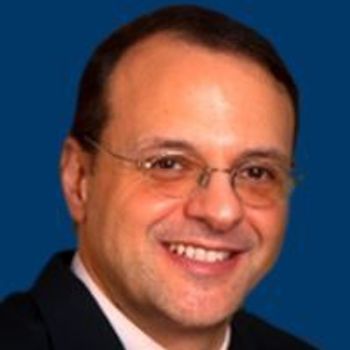
Although the malignancy has an encouraging survival rate, it is necessary to be aware of the complexity of nasopharyngeal cancer.

Dr. Saba shares the ins and outs of nasopharyngeal carcinoma, ongoing clinical trials, and the complexities of managing the rare disease.

Nabil F. Saba, MD, FACP, discusses some of the unique characteristics of nasopharyngeal carcinoma.

Innovative robotic technology helps to improve surgical outcomes and safety for patients while advancing the field of ENT surgery.

Thomas Urban Marron, MD, PhD, discusses primary objectives of a study examining the use of an adjuvant personalized neoantigen peptide vaccine in several malignancies.

The FDA has granted a fast track designation to the soluble LAG-3 protein eftilagimod alpha for use in the frontline treatment of patients with recurrent or metastatic head and neck squamous cell carcinoma.

The FDA has approved a new biweekly dosing regimen of 500 mg/m2 as a 120-minute intravenous infusion for cetuximab (Erbitux) for patients with KRAS wild-type, EGFR-expressing colorectal cancer or squamous cell carcinoma of the head and neck.

Ezra Cohen, MD, FRCPSC, FASCO, discusses the goals of the phase 2 SPEARHEAD-2 trial in head and neck cancer.

Tipifarnib showed promising clinical activity in patients with recurrent and/or metastatic, HRAS-mutant head and neck squamous cell carcinoma whose disease had progressed after prior therapy.
The filing of a biologics license application has been initiated with the FDA for toripalimab for the treatment of patients with recurrent or metastatic nasopharyngeal carcinoma.

February 24, 2021 - The FDA has granted a breakthrough therapy designation to tipifarnib for use in patients with recurrent or metastatic HRAS-mutated head and neck squamous cell carcinoma with variant allele frequency of 20% or higher following progressive disease on platinum-based chemotherapy.

ADP-A2M4CD8, a novel T-cell therapy, is being investigated in a range of tumor types that express MAGEA4, an antigen expressed in solid tumors that investigators say represents a promising target for cellular immunotherapy.

February 5, 2021 - Durvalumab failed to improve overall survival over the EXTREME chemotherapy regimen in the frontline treatment of patients with recurrent or metastatic head and neck squamous cell carcinoma with tumors expressed high levels of PD-L1, missing a primary end point of the phase 3 KESTREL trial.



Nabil F. Saba, MD, FACP, discusses the results of the JAVELIN Head and Neck 100 trial, as well as data from other key, recent studies in head and neck cancer.


Although the ability to treat head and neck cancer has certainly improved over the years, a significant percentage of patients experience recurrent disease after initial treatment.
Advertisement
Advertisement
Trending on OncLive
1
FDA Approves Nogapendekin Alfa Inbakicept Plus BCG for High-Grade, Papillary-Only BCG-Unresponsive NMIBC
2
SurVaxM Cancer Vaccine Shows Clinically Meaningful OS Signal in Newly Diagnosed Glioblastoma
3
VS-7375 Elicits Responses in KRAS G12D–Mutated Pancreatic Cancer
4
FDA Accepts BLA Resubmission for Tabelecleucel in EBV+ Post-Transplant Lymphoproliferative Disease
5